Key features of opal investment pieces: a collector's guide
Posted by AOD on 15th Apr 2026
Key features of opal investment pieces: a collector’s guide
TL;DR:
- Investment-grade Australian opals are characterized by dark body tone, vivid color, clarity, and certification.
- Provenance from Lightning Ridge and ethical sourcing significantly increase long-term value.
- Expert craftsmanship and proper setting are crucial for preserving and enhancing opal investment worth.
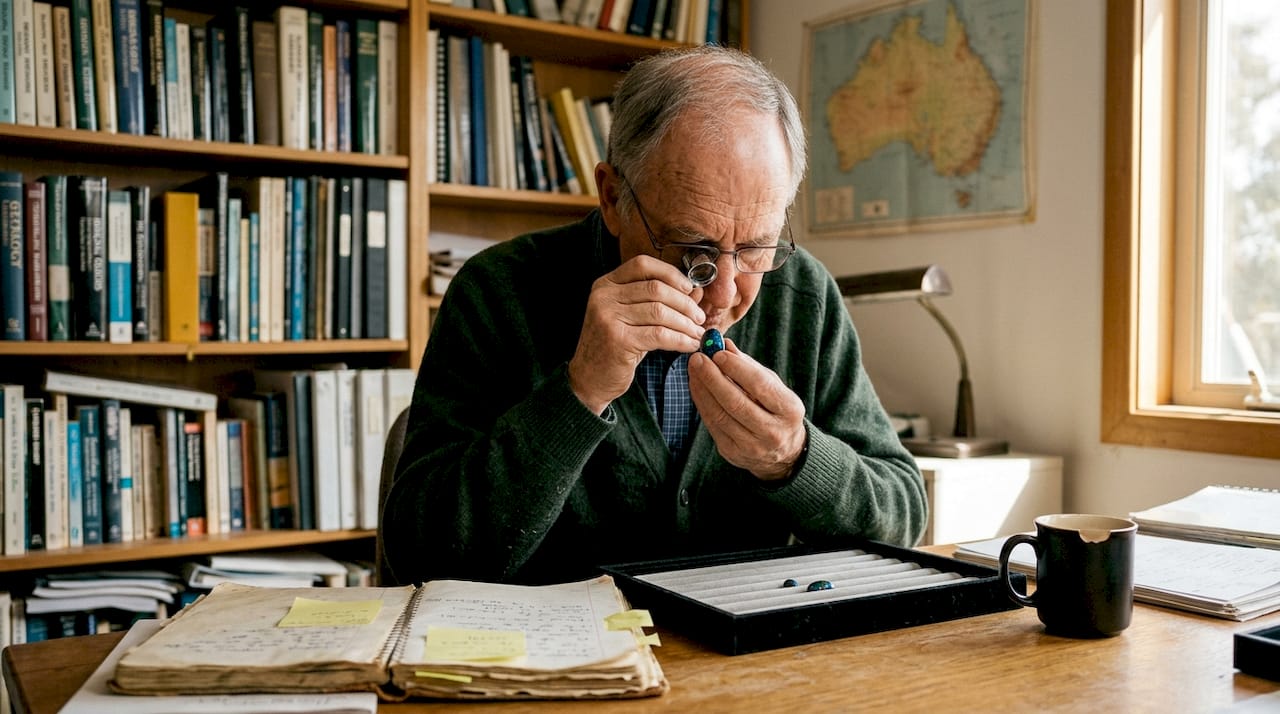
Distinguishing a truly investment-grade Australian opal from a beautiful but ultimately ordinary stone is one of the most consequential skills a collector can develop. The difference between a piece that appreciates tenfold over decades and one that stagnates in a drawer often comes down to a handful of precise, measurable qualities that are easy to overlook without a clear framework. Collectors who skip this evaluation risk paying premium prices for stones that carry none of the rarity premium the market rewards. This guide walks through the essential criteria, from body tone and clarity to mine origin, ethical sourcing, and the craftsmanship of the setting itself, so you can approach every acquisition with confidence.
Table of Contents
- Essential criteria for investment-grade opals
- Opal clarity, color, and the rarity premium
- The importance of mine origin and ethical sourcing
- Craftsmanship and unique design in opal investment jewelry
- Why discerning collectors look beyond the basics
- Explore rare, ethically certified Australian opals
- Frequently asked questions
Key Takeaways
| Point | Details |
|---|---|
| Clarity and color are critical | Opal investments with minimal flaws and vivid colors hold higher value and appeal for collectors. |
| Origin and certification boost confidence | Documented Lightning Ridge origin and reputable certification assure authenticity and investment quality. |
| Ethical sourcing drives modern demand | Sustainable Australian mines and transparent provenance are now essential for retaining and appreciating value. |
| Craftsmanship enhances protection | Expert settings and unique designs safeguard and elevate the worth of opal jewelry pieces. |
| True rarity lies in eye appeal | A visually striking opal, regardless of size, may outperform larger stones with lesser color or pattern. |
Essential criteria for investment-grade opals
Every serious collector eventually learns that not all opals are created equal, and the gap between a fine investment stone and a decorative piece can be measured in thousands of dollars per carat. The foundation of any sound evaluation rests on five core features: body color, clarity, cut, size, and certification. Together, these form the scaffolding upon which rarity and value are built.
Lightning Ridge black opals occupy the pinnacle of this hierarchy. Their dark body tone allows the play-of-color, the optical phenomenon created by diffracted light passing through microscopic silica spheres, to blaze with unmatched intensity. No other opal origin consistently produces this effect at the same level. Understanding the opal value factors that gemologists use to grade these stones is the first step toward making purchases you will never regret.
Here is what investment-grade criteria look like in practice:
- Body color: Darker tones (rated N1 to N4 on the standard scale) allow color to pop with greater contrast and command the highest prices.
- Clarity: A stone free of sand inclusions, potch (colorless opal matrix), and internal fractures holds its value and its structural integrity over time.
- Cut: A well-proportioned dome maximizes the display of color across the stone’s face and protects the edges from chipping.
- Size: Larger stones above two carats with top-tier color are exponentially rarer and priced accordingly.
- Certification: Independent documentation verifying origin, weight, and quality benchmarks is non-negotiable for resale.
According to leading gemological research, key quality factors include exceptional clarity, substantial size, precise cut, and verified Lightning Ridge origin with certification. The grading factors chart published by gemologists places top stones in the $3,000 to $30,000 or more per carat range, a figure that underscores why each criterion matters so acutely. Knowing how to authenticate Australian opals before committing to a purchase is equally essential.
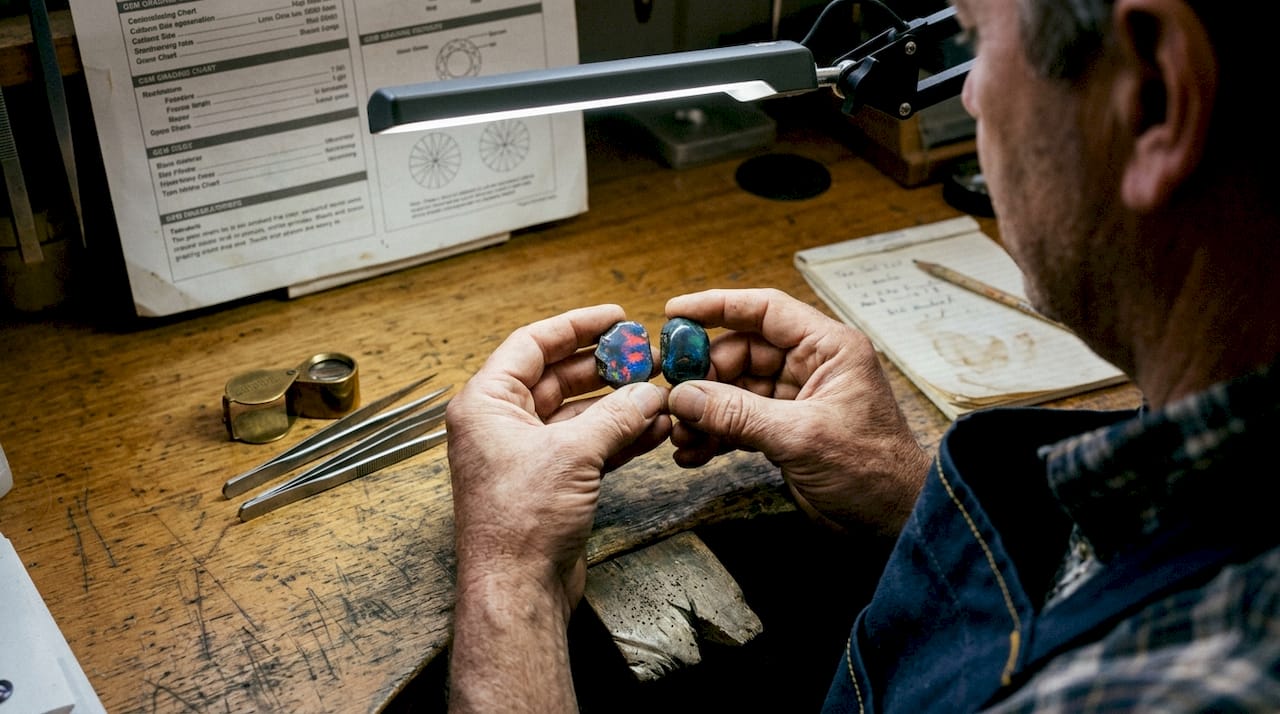
With the criteria established, let’s break down what each feature means for opal investment value.
Opal clarity, color, and the rarity premium
If body tone is the canvas, color is the painting, and in the world of opal investment, the painting determines almost everything. The N-scale (N1 being the darkest, N9 the lightest) is the standard measure of body tone, while the B-scale rates brightness from B1 (brilliant) to B7 (dull). Investors should prioritize stones that score N1 to N4 on body tone and B1 to B3 on brightness. These combinations create the dramatic contrast that makes a stone visually arresting and financially compelling.
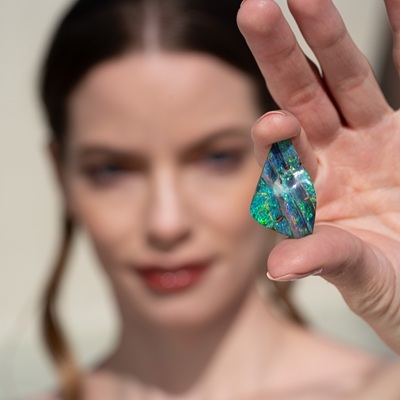
Color itself carries its own hierarchy. Red fire is the rarest spectral color an opal can display, followed by orange, yellow, green, blue, and violet. A stone that flashes red across a dark body tone is the gemological equivalent of a first-edition manuscript: beautiful, rare, and increasingly difficult to source. Red flashes are rarest and most valuable, and a stable structure without crazing is equally crucial for long-term value.
Pattern also plays a decisive role. Named patterns such as rolling flash, harlequin, and Chinese writing carry documented premiums because they are visually distinctive and instantly recognizable to experienced buyers. Here is a quick reference for color and clarity benchmarks:
| Feature | Investment-grade standard | Avoid |
|---|---|---|
| Body tone | N1 to N4 (dark to semi-dark) | N5 and above |
| Brightness | B1 to B3 | B4 and below |
| Color | Red, orange, or full spectrum | Single-color blue or green only |
| Clarity | No crazing, no sand inclusions | Any visible fractures |
| Pattern | Harlequin, rolling flash | Pinfire with low coverage |
Crazing, the fine network of cracks that can develop in an opal exposed to sudden temperature or humidity changes, is a fatal flaw for any investment piece. N1 to N2 stones can fetch $7,500 to $30,000 per carat, but a single crazing event can reduce that value to near zero. Always examine stones under magnification and ask for a structural history.
Exploring Lightning Ridge opals reveals just how specific the regional geology is in producing these elite stones, and understanding opal provenance adds another layer of confidence to your evaluation.
Pro Tip: A small opal with intensely vivid, full-spectrum color and a rare pattern will almost always outperform a larger stone with dull or single-color play. Never let carat weight alone drive your decision.
Understanding color and clarity leads naturally to recognizing how provenance and ethics influence value.
The importance of mine origin and ethical sourcing
Where an opal comes from is not merely a romantic detail. It is a financial variable with measurable impact on both current price and future appreciation. Lightning Ridge in New South Wales and Coober Pedy in South Australia are the two most prestigious opal origins on earth, and their reputations are backed by documented geological conditions that simply cannot be replicated elsewhere.
The supply dynamics at these mines are tightening. Over 70% of mines in Lightning Ridge are operating sustainably by 2026, and documented supply depletion is already pushing prices upward. When a resource becomes genuinely scarcer, the pieces already in circulation gain value. This is not speculation; it is supply economics playing out in real time.
Ethical sourcing has moved from a collector’s preference to a market-moving factor. Buyers at auction and in private sales increasingly demand documentation of responsible mining practices, fair labor conditions, and environmental compliance. A stone with a clean ethical record commands a storytelling premium that spreadsheets alone cannot capture. You can explore the full picture of Australian opal sourcing to understand why this matters for long-term value.
A comparison worth keeping in mind:
| Origin | Investment suitability | Key consideration |
|---|---|---|
| Lightning Ridge, NSW | Excellent | Dark body tone, documented scarcity |
| Coober Pedy, SA | Good | White/crystal opals, strong provenance |
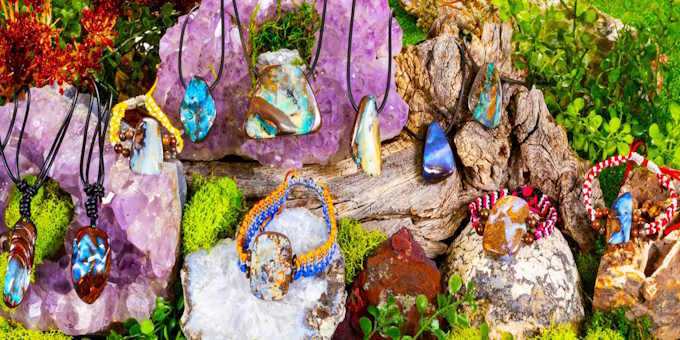
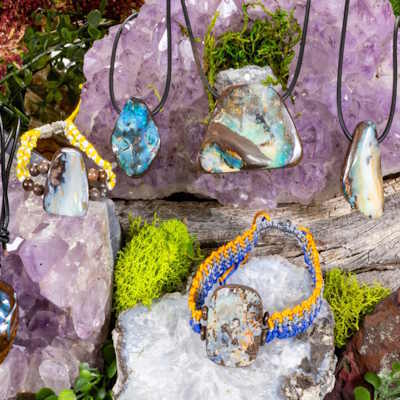
| Queensland boulder opal | Good | Ironstone matrix, distinctive patterns |
| Ethiopian hydrophane | Poor | Absorbs water, prone to crazing |
Ethiopian hydrophane opals deserve a specific caution. Their porous structure means they absorb moisture and can crack or change color when exposed to water or humidity, making them structurally unsuitable for serious investment. The opal value trends data consistently supports Australian origins over Ethiopian for long-term appreciation.
“Certification documents are not just paperwork. They are the passport that allows your opal to travel confidently through future sales, estates, and auctions.”
Prioritize sellers who provide detailed provenance records and support ethical opal sourcing practices. These documents become part of the stone’s story and its financial identity.
Ethical sourcing leads naturally to selecting opals for their craftsmanship and setting, often overlooked but essential.
Craftsmanship and unique design in opal investment jewelry
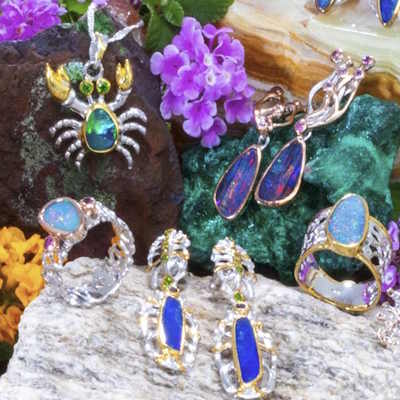
An investment-grade opal deserves an investment-grade setting. The relationship between stone and metal is not merely aesthetic; it is protective, functional, and financially significant. A poorly chosen or badly executed setting can physically damage a stone worth tens of thousands of dollars, while expert craftsmanship preserves and even amplifies its value.
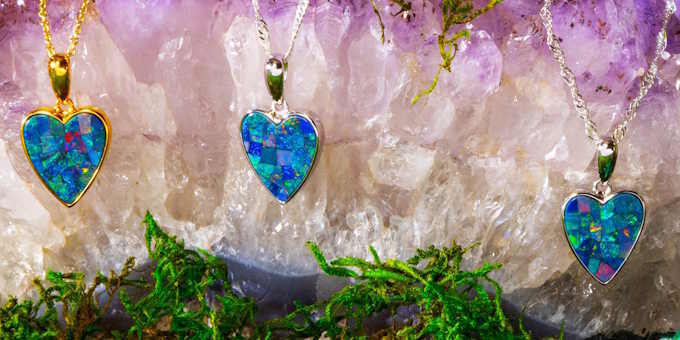
Bezel settings, where a rim of metal wraps around the opal’s girdle, offer the strongest protection against chipping and impact. They also frame the stone in a way that directs the viewer’s eye toward the color play rather than the metalwork. High craftsmanship such as bezel settings ensures both longevity and value retention, a point that experienced collectors understand instinctively.
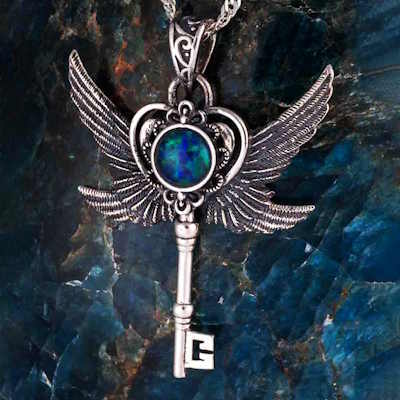
Unique designer collaborations add another dimension. When a renowned goldsmith or jewelry designer creates a one-of-a-kind piece around a significant opal, the combined value of stone and artistry can multiply beyond what either would achieve separately. Limited edition and numbered pieces carry provenance of their own.
Here is what to demand from any opal investment piece:
- Secure, protective setting: Bezel or tension settings that minimize exposure of the stone’s edges.
- Complementary metal choice: Yellow gold or rose gold enhances warm fire tones; white gold or platinum suits blue and green play-of-color.
- Full visibility of color play: The setting should never obscure the stone’s face or restrict light entry from multiple angles.
- Ethical hallmark: Metal should be stamped with purity marks and, where possible, sourced from certified responsible refiners.
- Complete paperwork: Documentation for both the stone (certification, origin, grading) and the setting (metal purity, designer, date).
Before committing to a purchase, reviewing an expert guide to buying Australian opals will clarify exactly what questions to ask. Understanding why Australian opals consistently outperform alternatives in both beauty and investment return reinforces every decision you make.
Pro Tip: Always request paperwork for both the stone and the setting separately. A single combined certificate is less useful for future resale than two distinct documents that can be verified independently.
With these features in mind, let’s synthesize what matters most for opal investment.
Why discerning collectors look beyond the basics
Here is something the investment guides rarely say plainly: a certification label is not the same as genuine rarity. Too many collectors, even experienced ones, treat a certificate as a substitute for their own trained eye. They see the paperwork and stop looking. That is a costly mistake.
The stones that appreciate most dramatically are the ones where vividness and pattern create an immediate, visceral response in the viewer. A harlequin pattern that shifts from red to green to violet as the stone tilts is not something a spreadsheet can fully capture. It is something you feel before you analyze. Investing in Australian opals at the highest level means training yourself to trust that response while still demanding the documentation to support it.
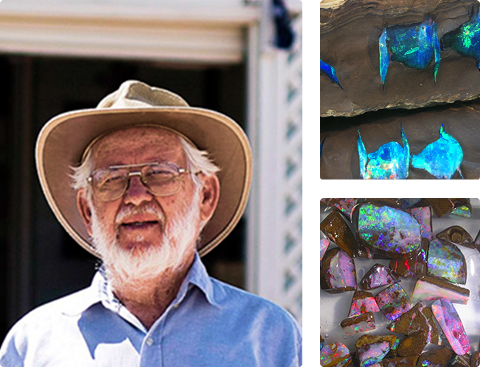
Resale value, when the time comes, depends as much on the story you can tell as the numbers you can cite. A stone from a named Lightning Ridge miner, set by a recognized goldsmith, with full ethical provenance and a documented exhibition history, will always outperform an equally graded stone with anonymous origins. The market rewards narrative as much as it rewards carats. True rarity lives at the intersection of eye appeal, documented history, and irreplaceable origin.
Explore rare, ethically certified Australian opals
Putting this framework into practice begins with finding a source you can genuinely trust. At Australian Opal Direct, every piece in our collection is earth-mined from Lightning Ridge, Coober Pedy, and Queensland, sourced through direct-miner relationships that eliminate the middlemen who obscure provenance and inflate prices.

Our certified investment opals come with full documentation covering origin, grading, and ethical sourcing, giving you the storytelling power and financial confidence that serious collectors demand. From vivid black opal rings to limited edition pendants with harlequin patterns, each piece is selected for its rarity, craftsmanship, and long-term value. Free shipping, complimentary insurance, and a 90-day warranty mean your investment is protected from the moment it leaves our hands to the moment it arrives in yours.
Frequently asked questions
What makes a Lightning Ridge opal investment-grade?
Lightning Ridge opals with N1 to N2 dark body tone, high brightness, vivid color play, and official certification are considered investment-grade. Prioritizing rare patterns and documented provenance further strengthens their long-term value.
Is size more important than color for opal investments?
Vivid and rare color patterns can decisively outweigh size; a small vivid opal may be more valuable than a large dull stone. Color, brightness, and pattern are the primary value drivers in the investment market.
Why avoid Ethiopian opals for investment purposes?
Ethiopian hydrophane opals tend to absorb water and develop crazing over time, making them structurally unstable and unsuitable for serious investment. Australian origins offer far superior long-term stability.
What certification should I look for when buying investment opals?
Seek independent certification that verifies Lightning Ridge origin, body tone, brightness, pattern, and clarity through a 300-point rarity scoring system. This level of detail provides the strongest foundation for future resale.
How much do top Australian black opals appreciate in value?
Top stones have shown appreciation up to 10 times their original value over decades, with market prices rising approximately 12% in 2025 alone due to accelerating supply depletion at key Australian mines.
Recommended
- Complete Guide to Investing in Opal Jewelry - Australian Opal Direct
- 7 Key Benefits of Opal Jewelry for Discerning Collectors - Australian Opal Direct
- Value Factors of Opal: What Drives Worth - Australian Opal Direct
- 7 Best Opal Jewelry Tips Every Collector Should Know - Australian Opal Direct
- Gem Prospecting Explained: Tools, Strategies, and Local Tips