The Role of Curated Gemstone Collections Explained
Posted by AOD on 27th Jun 2026
The Role of Curated Gemstone Collections Explained
TL;DR:
- A curated gemstone collection is built through intentional selection focused on quality, provenance, and personal meaning. It relies on transparency, expert sourcing, and storytelling to enhance both emotional and financial value. Building such a collection requires patience, education, and relationship development with trusted professionals.
A curated gemstone collection is defined as an intentional, quality-focused assemblage of stones chosen for wearability, rarity, provenance, and personal significance rather than sheer volume. This approach to collecting, known formally in gemological circles as selective curation, transforms a scattered inventory into a coherent body of work that tells a story. The role of curated gemstone collections extends far beyond aesthetics. In 2026, collectors who apply intentional selection criteria including GIA grading standards, ethical sourcing verification, and cost transparency are building collections that hold both emotional and financial weight. Whether you are assembling your first set of foundational stones or refining a lifelong pursuit, understanding what curation means in practice is the foundation of every meaningful collection.
What criteria define a curated gemstone selection today?
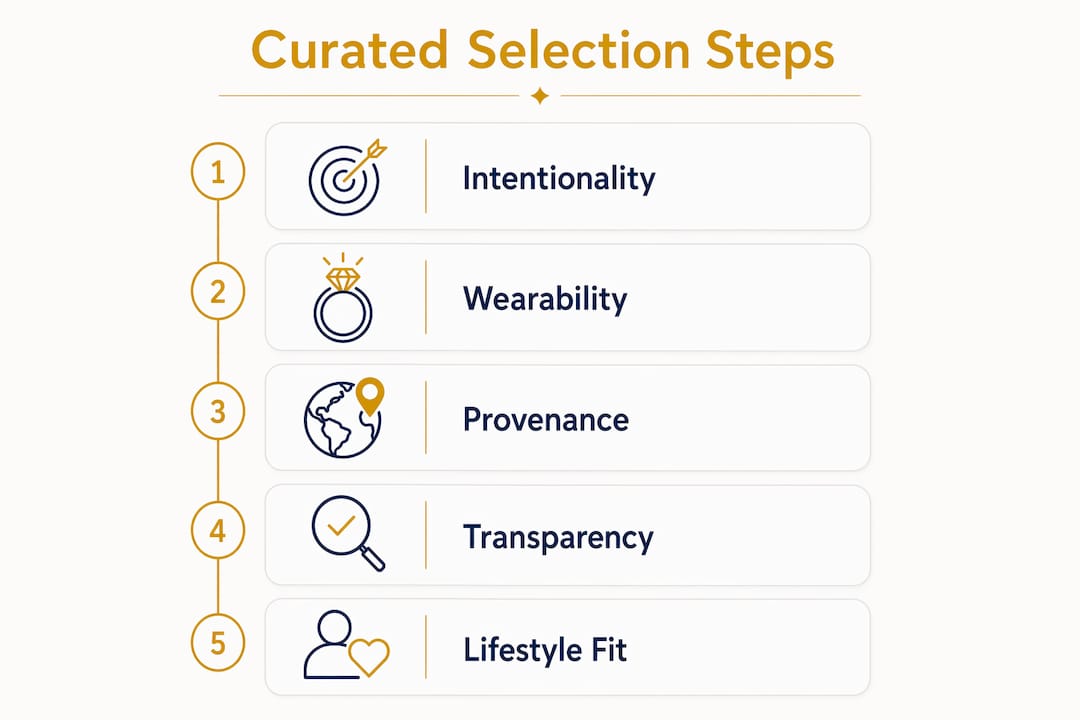
Curated gemstone selection in 2026 centers on intentionality, wearability, and lifestyle alignment rather than the impulse to acquire as many stones as possible. A collection built on clear criteria holds together visually, emotionally, and financially in ways that a random accumulation never can.
The core quality factors most gemologists reference are color saturation, cut precision, and clarity. These three elements, often called the 3 Cs of colored gemstones, determine how a stone interacts with light and how it will age over decades of wear. Color saturation is the most immediate indicator of value in stones like sapphires, rubies, and Australian opals, where the depth and purity of hue separates a forgettable stone from a generational piece.
Beyond the 3 Cs, modern curated selection demands attention to several additional factors:
- Durability: Stones rated 7 or above on the Mohs hardness scale, such as sapphires, spinels, and garnets, are suited for everyday wear. Softer stones like opals and pearls require more deliberate placement in a collection, reserved for pieces worn with care.
- Ethical provenance: Collectors increasingly require documentation of origin, confirming that stones were mined without environmental destruction or labor exploitation. Certifications from organizations like the Responsible Jewellery Council add verifiable credibility.
- Treatment transparency: Heat treatment, fracture filling, and irradiation all affect a stone’s value and longevity. A reputable curator discloses every treatment clearly, allowing buyers to make fully informed decisions.
- Cost transparency: Price should reflect documented quality, not marketing language. Curated collections from trusted sources include grading reports and origin certificates that justify every dollar spent.
- Personal connection: The finest collections include stones that resonate with the collector’s own history, aesthetic, and values. A stone with no personal meaning, however rare, rarely becomes a treasured piece.
Pro Tip: When evaluating a gemstone for your collection, request the GIA grading report and the origin certificate before discussing price. If a seller cannot provide both, treat that as a signal to look elsewhere.
Gemstone grading tools from institutions like the Gemological Institute of America (GIA) and the American Gem Society (AGS) provide the objective framework that makes subjective taste defensible. A collector who understands how to read a grading report is never at the mercy of a seller’s description alone. You can explore luxury gemstone standards in detail to sharpen your eye before making significant purchases.
How does curated sourcing differ from buying retail gemstones?
The difference between curated sourcing and standard retail purchase is not simply a matter of price. It is a matter of access, knowledge, and relationship.
Many of the finest gemstone specimens move quietly through private dealer networks before they ever appear in a retail window or online listing. Collectors who rely exclusively on what is publicly visible are, by definition, working with what others have already passed over or chosen not to acquire. This is not a minor disadvantage. It is a structural gap between what the market shows and what the market holds.
Custom sourcing through a trusted gemologist or dealer works differently. The process typically unfolds as follows:
- Define the brief. The collector articulates the stone’s intended purpose, preferred color range, size, budget, and any provenance requirements. A specific brief produces far better results than a vague request.
- Activate the network. An experienced sourcing professional contacts dealers, cutters, and mining contacts who may hold stones matching the brief. The gemstone market is relationship-driven, and access to the right network is itself a form of expertise.
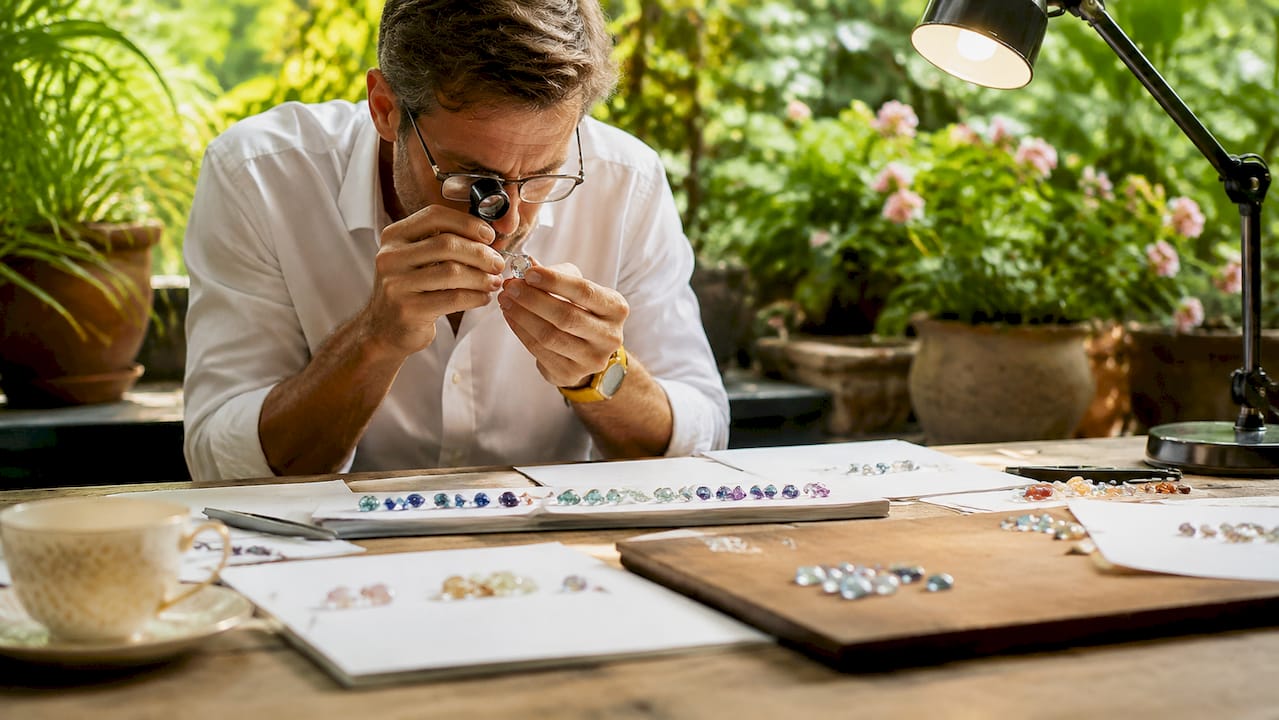
- Inspect loose stones. Viewing loose gemstones without metal settings allows a collector to assess true character, including inclusions, cut symmetry, and color distribution. A stone set in metal can hide flaws that would be immediately visible in a loose inspection.
- Reject freely. Sourcing professionals routinely inspect dozens of stones and reject most before presenting a shortlist. That rejection process is where the real value of curation lives.
- Confirm and document. The selected stone is accompanied by grading documentation, treatment disclosures, and origin records before any purchase is finalized.
| Factor | Retail purchase | Curated sourcing |
|---|---|---|
| Stone access | Public inventory only | Private networks and direct contacts |
| Quality assessment | Set or displayed stones | Loose stone inspection |
| Treatment disclosure | Often incomplete | Full disclosure required |
| Personalization | Limited to available stock | Brief-driven and specific |
| Long-term value | Variable | Optimized through expert selection |
Buying trending stones early in a collection journey carries real risk. A collector who acquires a stone because it is fashionable rather than because it meets their personal criteria often faces regret and costly upgrades later. The curated approach protects against that pattern by anchoring every acquisition to documented quality and personal meaning.
What is the role of transparency and storytelling in curated collections?
Transparency in gemstone curation is not simply an ethical preference. It is a financial and emotional multiplier. Clear disclosure of treatments, origins, and quality characteristics creates what gemologists and dealers call a “trust premium,” a measurable increase in perceived and actual value that comes from verifiable honesty.
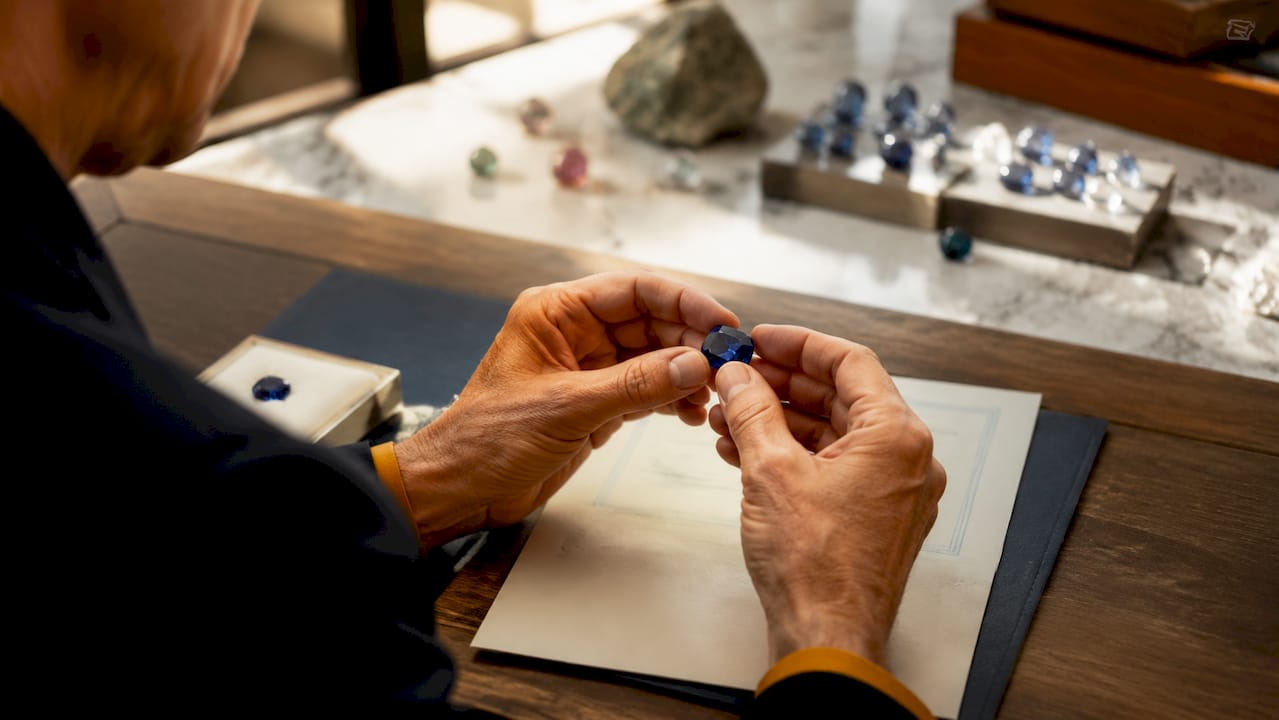
When a collector knows that their Kashmir sapphire was mined in a specific valley, cut by a named artisan, and treated only with standard heat to improve clarity, that stone carries a narrative weight that a mystery stone of identical appearance cannot match. Provenance connects a gem to geography, culture, and human craft in ways that pure aesthetics cannot replicate.
The educational dimension of storytelling matters just as much as the emotional one. Collectors who understand the geology behind their stones, why an Ethiopian opal forms differently from an Australian opal, or why a Burmese ruby commands a premium over a Thai ruby, make better decisions at every stage of their collecting life. That knowledge compounds over time.
Key storytelling elements that add depth to any curated collection include:
- Geographic origin narratives: Lightning Ridge black opals, Colombian emeralds, and Burmese rubies each carry centuries of cultural and geological history that amplifies their significance.
- Mining and craftsmanship documentation: Photographs, certificates, and firsthand accounts from miners or cutters transform a stone from an object into a record.
- Treatment history: A stone with no treatments, or with clearly documented treatments, is a stone a collector can speak about with confidence to future buyers or heirs.
- Personal acquisition story: The circumstances under which a collector found and chose a stone become part of its provenance over time.
“Collectors value narratives connecting stones to culture, history, geology, and craftsmanship.” — Vogue India, Jeweller’s Guide to Building a Gemstone Collection
Understanding why opal transparency is valued by serious collectors reveals how this principle applies across the entire gemstone world, not just to a single variety.
How can collectors build and maintain a meaningful curated collection?
Building a curated collection is a practice of patience, education, and deliberate choice. Rushing often incurs higher long-term costs, both financial and emotional, because early mistakes tend to require expensive corrections.
The most experienced collectors recommend a phased approach:
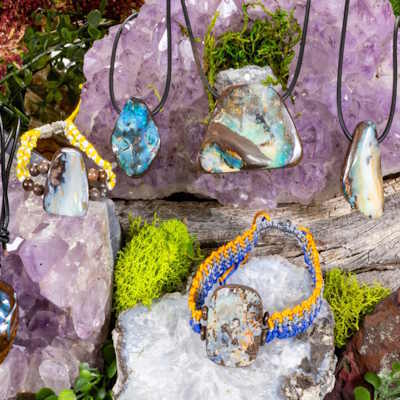
- Phase one: foundational stones. Begin with durable, versatile gems that can be worn regularly and appreciated without anxiety. Sapphires, spinels, and well-cut garnets are natural starting points. Australian opals from Lightning Ridge or Coober Pedy, sourced with full provenance documentation, represent an exceptional foundational choice for collectors drawn to color play and rarity.
- Phase two: character stones. Once a collector has developed their eye and their relationships, they can begin acquiring stones with stronger personalities. Alexandrites, demantoid garnets, and fine paraiba tourmalines reward the collector who already understands what makes a stone exceptional.
- Phase three: statement and investment pieces. High-risk gems like Paraiba tourmalines and unheated rubies belong in later stages, when a collector has the knowledge and relationships to source them responsibly.
Pro Tip: Never buy a stone you cannot describe in three sentences. If you cannot articulate its origin, its quality factors, and why it belongs in your collection, you are not ready to own it.
Maintaining a collection requires flexibility. Stones can be remounted in new settings, combined with different metals, or redesigned entirely as a collector’s taste evolves. A stone that no longer fits one piece may be the centerpiece of another. Working with a trusted gemologist on an ongoing basis, rather than only at the point of purchase, keeps a collection alive and growing rather than static.
Relationships with sourcing professionals are among the most undervalued assets a collector can build. Sourcing professionals create value by reconciling a collector’s vision with market realities, rejecting many stones before presenting the right one. That process cannot be replicated by browsing a retail website. Explore curated opal collection examples to see how intentional selection translates into real pieces that collectors return to for decades.
Key Takeaways
A curated gemstone collection derives its value from intentional selection, transparent provenance, and the emotional depth that storytelling and expert sourcing provide.
| Point | Details |
|---|---|
| Intentionality over quantity | Select stones based on wearability, provenance, and personal meaning rather than volume. |
| Transparency builds value | Full disclosure of treatments and origins creates a trust premium that increases long-term worth. |
| Private networks matter | The finest stones move through dealer relationships before reaching public retail. |
| Phase your acquisitions | Build foundational stones first; reserve high-risk rarities for later stages of collecting. |
| Storytelling deepens significance | Provenance narratives connect stones to culture, history, and craft in ways that pure aesthetics cannot. |
What I have learned from years of watching collectors get this right and wrong
The most common mistake I observe among new collectors is confusing enthusiasm with readiness. A collector who walks into the market before building relationships and knowledge almost always overpays, undervalues, or both. The stones they acquire in that early phase are rarely the ones they cherish a decade later.
What separates collectors who build genuinely meaningful collections from those who accumulate regrets is a willingness to slow down. The collector who spends six months learning to read grading reports, visiting dealers without buying, and asking questions before making offers will outperform the one who spends the same budget in six weeks of impulsive acquisition. Every time.
The other pattern I find consistently underappreciated is the power of viewing stones loose. A stone set in a ring or pendant is a stone partially hidden. Its inclusions, its true color distribution, and its cut quality are all filtered through the setting. When you see a stone loose, under good light, you see what it actually is. That experience changes how you evaluate everything afterward.
I am also struck by how often collectors underestimate the role of the sourcing professional. The best dealers I have encountered do not simply sell stones. They reject stones on your behalf, often dozens of them, before presenting the one that fits your brief. That invisible labor is where the real value of curation lives, and it is worth every premium it commands.
— Renee
Discover curated gemstone collections at Australianopaldirect
For collectors who want to experience what intentional curation looks like in practice, Australianopaldirect offers a window into one of the world’s most distinctive gemstone traditions.

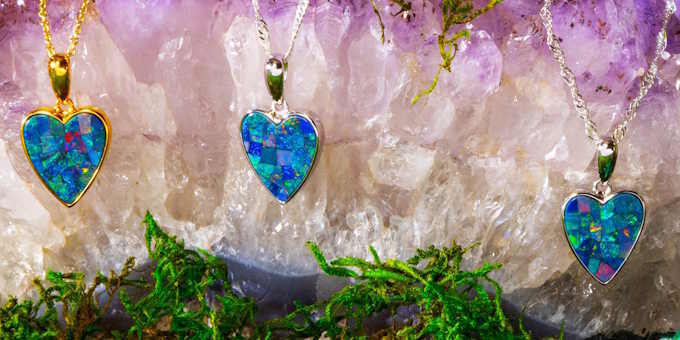
Australianopaldirect sources its opals directly from miners in Lightning Ridge, Coober Pedy, and Queensland, providing full provenance documentation and treatment disclosures with every piece. The collections, including Nature’s Light and Limited Edition Opals, are assembled with the same criteria this article describes: wearability, rarity, ethical sourcing, and the kind of storytelling that makes a stone worth keeping for generations. Explore the full range of ethically sourced opal jewelry and find the stone that belongs in your collection.
FAQ
What is gemstone curation?
Gemstone curation is the deliberate process of selecting stones based on quality criteria, ethical provenance, wearability, and personal significance rather than acquiring gems at random. It transforms a collection from a quantity of stones into a coherent, meaningful body of work.
How does curated selection differ from standard retail buying?
Curated sourcing accesses private dealer networks and involves loose stone inspection, full treatment disclosure, and brief-driven selection. Standard retail purchases are limited to publicly available inventory, often without complete provenance documentation.
Why does transparency matter in a gemstone collection?
Transparency regarding treatments, origins, and quality characteristics creates a trust premium that increases both the perceived and actual market value of a collection. Documented provenance also protects collectors when reselling or passing stones to heirs.
When should collectors pursue rare or high-risk gemstones?
Collectors should reserve high-risk gems like unheated Burmese rubies or Paraiba tourmalines for later phases of collecting, after building foundational knowledge, trusted dealer relationships, and experience assessing stone quality independently.
What role does storytelling play in gemstone value?
Provenance narratives connecting a stone to its geographic origin, mining history, and craftsmanship add educational and emotional depth that pure aesthetics cannot replicate, making each piece more significant to both the collector and future buyers.
Recommended
- Curated opal collection examples for discerning collectors - Australian Opal Direct
- Luxury gemstone standards explained: Expert guide for collectors - Australian Opal Direct
- Role of Opals in Luxury Jewelry: Rarity & Value - Australian Opal Direct
- What is sustainable jewelry? Ethical, eco-friendly gems explained - Australian Opal Direct