Curated opal collection examples for discerning collectors
Posted by AOD on 15th Apr 2026
Curated opal collection examples for discerning collectors
TL;DR:
- True curated opal collections are researched, authenticated, and preserve provenance, unlike casual accumulations.
- Evaluating origin, documentation, and quality is essential to identify genuinely elite opal specimens.
- Building a collection involves focused research, sourcing ethically, authenticating stones, proper documentation, and careful display.
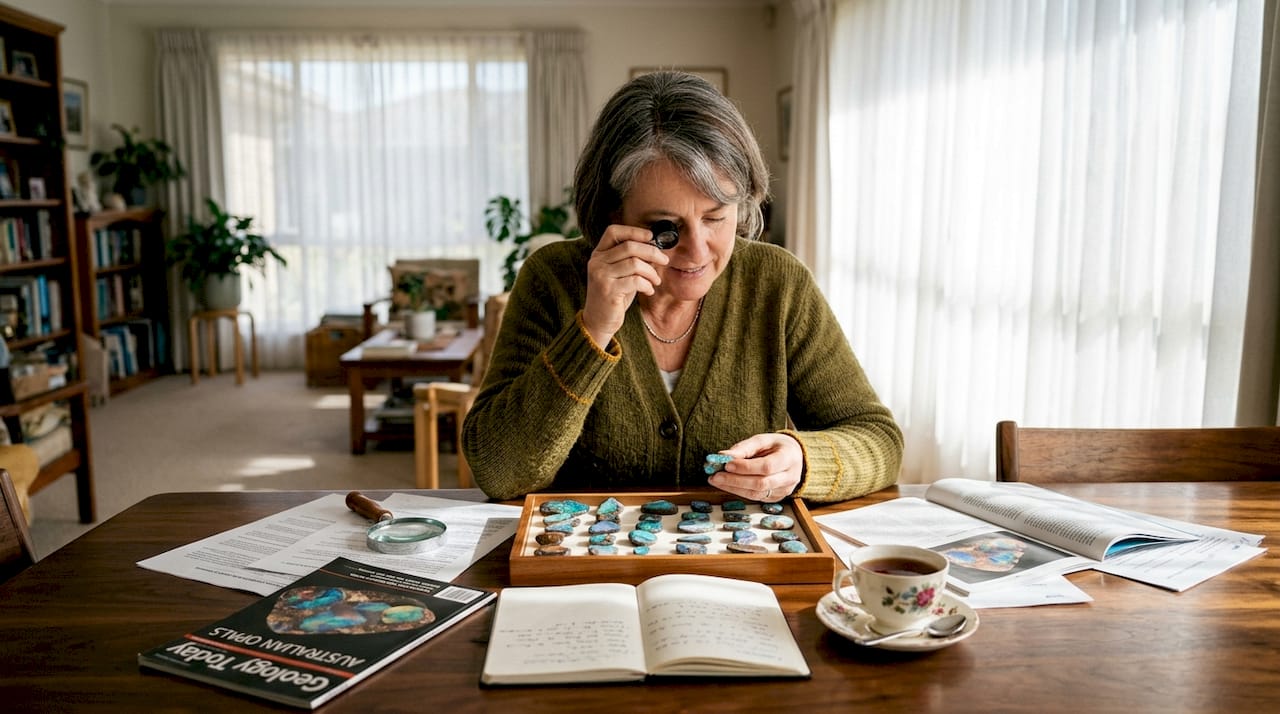
For collectors who have spent years chasing the kaleidoscopic brilliance of Australian opals, the difference between a curated collection and a casual accumulation is everything. Truly exceptional specimens, whether black opals from Lightning Ridge or the sculptural wonder of opal ‘pineapples’ from White Cliffs, are not simply purchased. They are researched, authenticated, and preserved with the same reverence a museum curator brings to a priceless artifact. This guide walks you through the criteria that define elite opal collections, spotlights world-class examples, compares private and institutional holdings, and offers practical steps for building and displaying your own remarkable assemblage.
Table of Contents
- How to evaluate a curated opal collection
- Showcase: Standout curated opal collection examples
- Comparing private and institutional opal collections
- How to build and display your own curated opal collection
- Expert perspective: Why curation trumps accumulation in opal collecting
- Explore curated opal collections and ethical acquisitions
- Frequently asked questions
Key Takeaways
| Point | Details |
|---|---|
| Prioritize provenance | Collectors should emphasize ethically sourced, well-documented Australian opals from reputable fields. |
| Museum benchmarks matter | Public institutional collections set high standards for authenticity, rarity, and display. |
| Curate, don’t accumulate | A thoughtfully selected opal collection brings lasting value over sheer quantity of stones. |
| Display enhances value | Proper presentation and care can elevate both enjoyment and market value of curated opal collections. |
How to evaluate a curated opal collection
Not every collection bearing the word ‘curated’ deserves the title. True curation demands a disciplined framework, one that weighs origin, documentation, treatment history, and the singular visual language of each stone. Now that we’ve set the stage, let’s outline how collectors determine whether an opal collection is truly curated or just assembled.
The most fundamental criterion is origin. Australian opals from Lightning Ridge, Coober Pedy, and Queensland carry a geological pedigree that stones from other regions rarely match. Within that landscape, untreated stones from closed fields like Mintabie are prized for their rarity and value, precisely because no new material will ever emerge from those exhausted deposits. Closed-field provenance adds a layer of irreproducibility that serious collectors understand instinctively.
Beyond geography, documentation is the backbone of any legitimate curated collection. A stone without a paper trail is a story without a beginning. Reputable dealers and institutions provide certificates of origin, treatment disclosures, and ideally, photographs of the rough material before cutting. When authenticating Australian opals, collectors should request every available record and treat gaps in documentation as red flags rather than minor inconveniences.
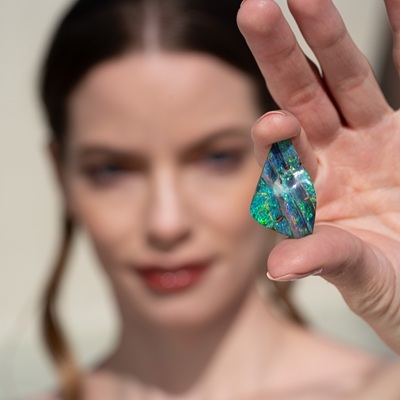
Knowing what to watch for in terms of quality also matters enormously. When grading opal quality, experts assess play-of-color (the shifting spectral display caused by diffraction of light through silica spheres), body tone, pattern distinctiveness, and structural integrity. A stone showing crazing, which refers to fine surface cracks caused by dehydration or instability, loses significant collector value regardless of its color.
Key warning signs to avoid in any collection:
- Crazing or micro-fractures visible under magnification
- Sugar or acid treatments that artificially darken the body tone to simulate black opal
- Ambiguous or missing provenance with no verifiable field of origin
- Doublets or triplets presented without disclosure as solid stones
- Unusually low pricing for specimens claimed to be rare or field-specific
Pro Tip: Always request written documentation on both provenance and any treatments before committing to a significant acquisition. Reputable sellers will never hesitate to provide this information.
Showcase: Standout curated opal collection examples
With criteria in mind, let’s spotlight several world-class examples and what sets them apart in the collector landscape. The finest curated collections share one quality: every piece earns its place through rarity, story, and irreplaceable character.
The Australian Museum’s collection stands as the benchmark for public holdings, featuring rare opal pineapples from White Cliffs, black opals from Lightning Ridge, and boulder opals from Queensland. Each category represents a distinct geological narrative.
“The Australian Museum’s collection includes rare opal pineapples from White Cliffs, black opals from Lightning Ridge, and boulder opals from Queensland, making it one of the most comprehensive public opal assemblages in the world.”
Here is a breakdown of the most sought-after collector specimens:
| Opal type | Origin | Key characteristic | Collector appeal |
|---|---|---|---|
| Opal ‘pineapples’ | White Cliffs, NSW | Pseudomorph after glauberite crystals | Sculptural rarity, geological curiosity |
| Black opal | Lightning Ridge, NSW | Dark body tone with vivid play-of-color | Highest value per carat among opals |
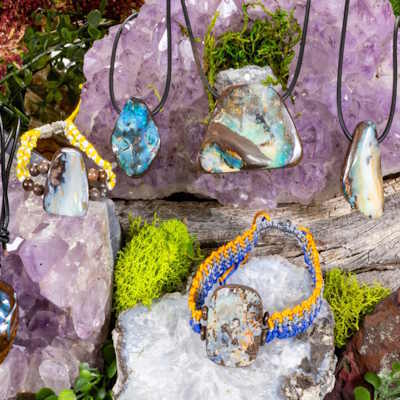
| Boulder opal | Queensland | Ironstone host matrix, natural backing | Organic beauty, structural uniqueness |
| Yowah Nuts | Yowah, QLD | Ironstone concretions with opal core | Miniature worlds within each stone |
| Mintabie opal | Mintabie, SA | Semi-crystal to crystal body, closed field | Irreplaceable provenance, stable structure |
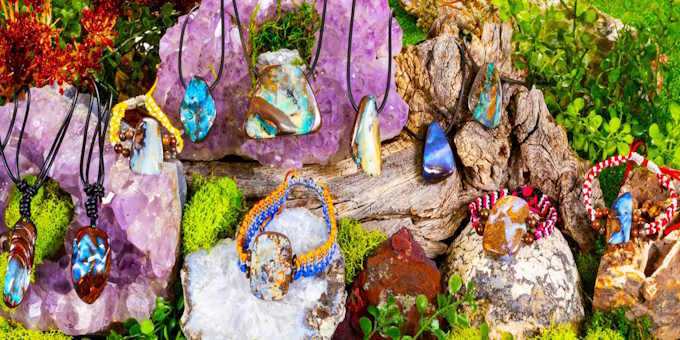
Each of these varieties tells a different chapter of Australia’s geological history. Rare opal examples like Yowah Nuts captivate collectors because cracking one open reveals an entirely self-contained opal universe, unpredictable and utterly unrepeatable. Boulder opals, by contrast, wear their ironstone matrix proudly, the warm brown host rock framing flashes of electric blue and green like a painting in a natural frame.
For collectors drawn to rare opal patterns, pattern type adds another dimension of value. Harlequin, rolling flash, and Chinese writing patterns are among the rarest configurations, found almost exclusively in top-tier Lightning Ridge black opals.
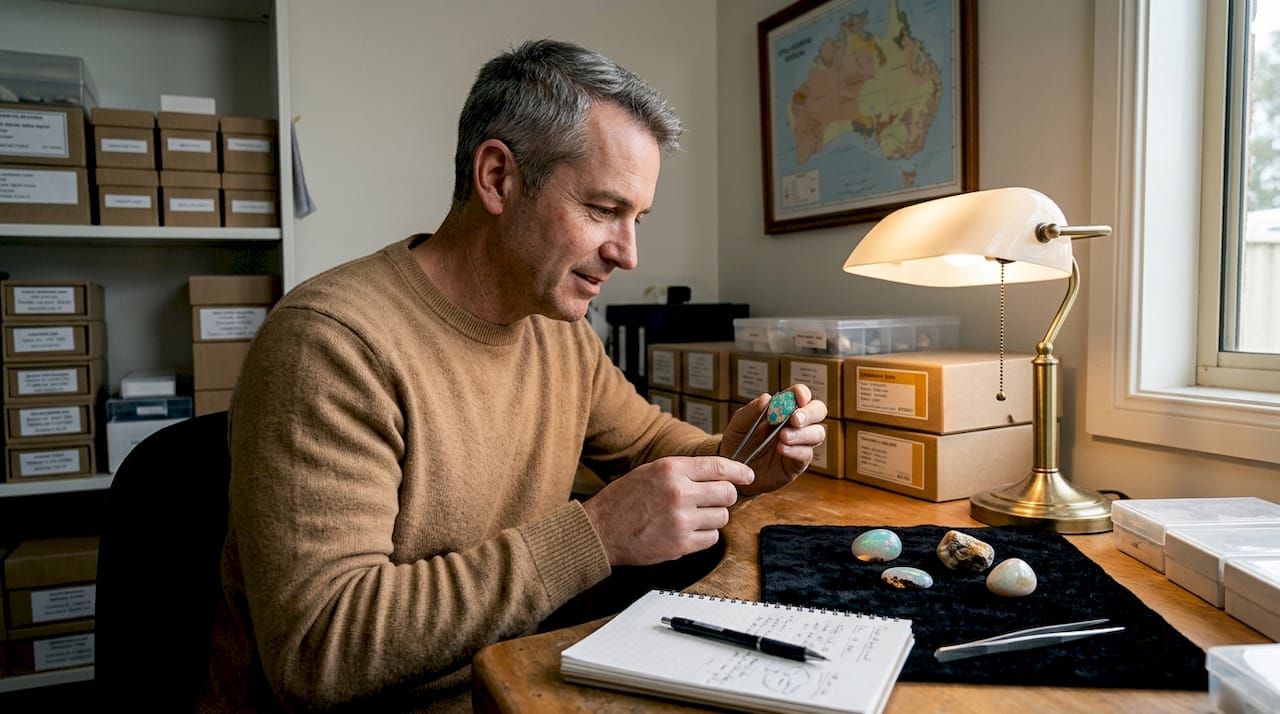
Pro Tip: Niche varieties such as Mintabie crystal opals and volcanic opals from Ethiopia offer hidden value for collectors willing to research beyond the most publicized Australian fields. Mintabie material, in particular, will never be replenished.
Comparing private and institutional opal collections
After reviewing stunning examples, it’s important to compare where these treasures are curated and how ownership environments affect their value and accessibility. The distinction between private and institutional collections is not simply a matter of scale. It shapes how stones are documented, displayed, and ultimately valued.
Institutional collections such as those at major museums are built over decades with professional documentation and provenance, a process that creates an unbroken chain of accountability from field to display case. Museum acquisitions typically involve gemological assessment, conservation planning, and ethical sourcing reviews that private buyers rarely replicate at the same depth.
Private collections, on the other hand, offer flexibility and intimacy that no institution can match. A passionate private collector can pursue a specific niche, say, exclusively Yowah Nuts or Lightning Ridge crystal blacks, with a focus and speed that institutional acquisition committees cannot.
| Feature | Private collection | Institutional collection |
|---|---|---|
| Acquisition speed | Fast, responsive to market | Slow, committee-driven |
| Curation depth | Varies by collector expertise | Professional, consistent |
| Documentation quality | Often incomplete | Thorough, research-grade |
| Public access | Rarely available | Open to researchers and public |
| Ethical sourcing review | Collector-dependent | Structured and audited |
| Resale or transfer | Flexible | Restricted or prohibited |
Some highlights worth noting for collectors considering both paths:
- Private collections can grow faster and adapt to emerging market trends
- Institutional collections often include stones that are genuinely unavailable on the open market
- Provenance documentation from institutional sources carries significant weight at auction
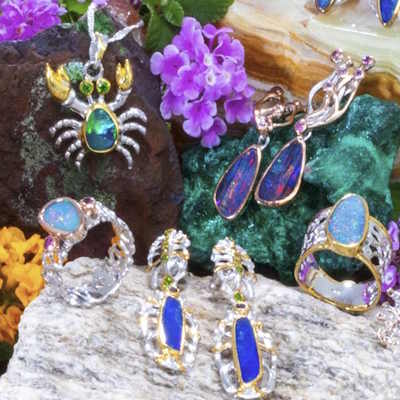
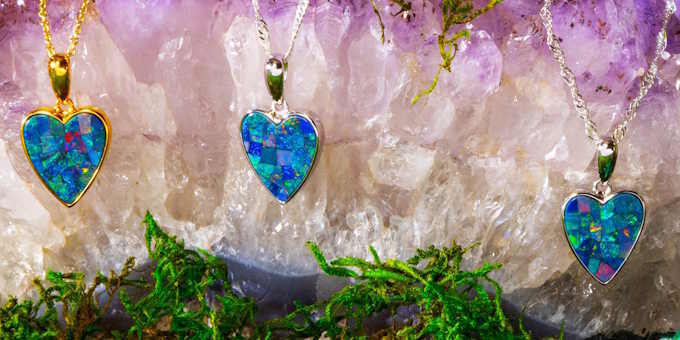
- Curated opal jewelry collections in private hands can blend wearable and display-grade pieces for a more personal experience
Major public collections worldwide hold thousands of documented opal specimens, while private holdings of comparable depth number in the hundreds globally. That scarcity of truly documented private collections makes well-maintained personal assemblages increasingly valuable to future generations of collectors.
How to build and display your own curated opal collection
Inspired by elite collections, here’s how you can apply their principles to build something remarkable and preserve it for the future. The process is gradual, intentional, and deeply rewarding when approached with the same discipline that defines the world’s finest holdings.
Follow these stages to build a collection that will stand the test of time:
- Research your focus area. Decide whether you are drawn to black opals, boulder opals, or sculptural rarities like pineapples. A focused collection tells a coherent story.
- Source from verified, ethical suppliers. Direct-miner relationships and transparent dealers eliminate the risk of treated or misrepresented stones entering your collection.
- Authenticate before you acquire. Examine documentation, request treatment disclosures, and where possible, have stones independently assessed by a certified gemologist.
- Build progressively. Start with one exceptional, well-documented piece rather than several undocumented ones. Quality anchors a collection.
- Document everything. Maintain a personal catalog with photographs, provenance records, purchase details, and any appraisal certificates.
- Display with care. Opals are sensitive to extreme temperature changes and prolonged direct light. Use UV-filtering display cases and maintain stable humidity levels to prevent crazing.
- Insure and appraise regularly. As proper display and care can enhance the luxury appeal and value retention of opal collections, professional appraisal keeps your documentation current and your insurance coverage accurate.
For guidance on presentation, displaying opal jewelry with attention to lighting and setting can transform even a modest collection into a visually arresting display.
Pro Tip: Professional appraisal services not only document your stones for insurance purposes but also help you identify which pieces in your collection carry the strongest long-term value.
Expert perspective: Why curation trumps accumulation in opal collecting
Let’s step back and consider what really separates noteworthy curation from mere possession. In our experience, the collectors who build the most respected assemblages are not the ones who acquire the most stones. They are the ones who ask the hardest questions before every acquisition.
Accumulation without research produces collections full of visually appealing but ultimately common material. Treated stones, ambiguous provenance, and pattern types that flood the market may look impressive in a display case but carry little weight among knowledgeable peers or at serious auction. A single well-documented opal from a closed Australian field, with a clear chain of custody and a compelling geological story, can outshine dozens of lesser stones in both cultural and monetary value.
The shift we observe among serious collectors is a move toward quality, story, and ethical background over sheer visual spectacle. Authentication guidance is not a bureaucratic hurdle. It is the foundation of a collection that means something. Provenance is not paperwork. It is the soul of the stone made legible.
Explore curated opal collections and ethical acquisitions
Inspired to enhance your own curated collection? Here’s where to find authenticated Australian opals backed by ethical sourcing and expert guidance.

At Australian Opal Direct, every piece in our catalog reflects a direct relationship with the miners who bring these stones to the surface. We source ethically from Lightning Ridge, Coober Pedy, and Queensland, and every acquisition comes with transparent provenance and treatment disclosure. Whether you are searching for a centerpiece black opal or beginning your journey with a beautifully documented boulder stone, explore curated Australian opal jewelry to find pieces that meet the standards this guide has outlined. For collectors ready to move beyond the ordinary, our rare opal selections offer specimens that belong in the finest private collections.
Frequently asked questions
What is the rarest type of opal found in curated collections?
Opal ‘pineapples’ from White Cliffs and black opals from Lightning Ridge are among the rarest types featured in top collections, prized for their geological uniqueness and irreplaceable origin.
How do experts verify if an opal is authentically sourced?
Experts examine documentation, provenance records, and treatment history, and may reference closed-field sources like Mintabie to confirm that a stone’s origin is both verifiable and untreated.
Can I start a curated opal collection on a budget?
Yes, by beginning with lesser-known but untreated Australian opals and investing in thorough documentation and proper display, collectors can build a meaningful collection without requiring a significant initial outlay.
Recommended
- 7 Inspiring Examples of Opal Jewelry for Collectors - Australian Opal Direct
- 7 Examples of Opal Jewelry Styles Collectors Love - Australian Opal Direct
- 7 Exquisite Examples of Rare Opals for Collectors - Australian Opal Direct
- 7 Key Benefits of Opal Jewelry for Discerning Collectors - Australian Opal Direct