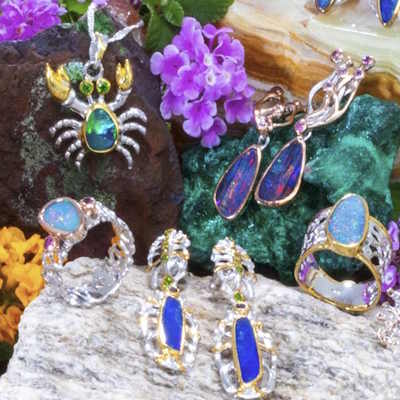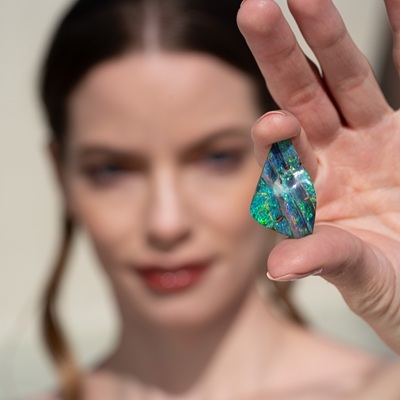
Discover Australia's most famous opal mines for collectors
Posted by AOD on 6th May 2026
Discover Australia’s most famous opal mines for collectors
TL;DR:
- Australian opals embody landscapes and legends, with their beauty rooted in geological patience and origin.
- Evaluating mine provenance is crucial, as it influences gemstone quality, rarity, and value.
- Trusted sourcing involves certifications, direct miner relationships, and documentation of ethical practices.
Few gemstones carry the weight of landscape and legend the way an Australian opal does. Every play-of-color that dances across the surface is a direct record of ancient seabeds, silica-rich groundwater, and millions of years of geological patience. For collectors and jewelry enthusiasts, sourcing a truly authentic Australian opal means more than simply finding a beautiful stone. It means understanding which mine produced it, which region shaped its character, and why that origin story matters as profoundly as the gem itself.
Table of Contents
- How to evaluate opal mines: What collectors need to know
- Australia’s most famous opal mines: Profiles and highlights
- Comparing Australia’s major opal fields: Variety and output
- Sourcing tips: Authenticity, traceability, and ethical concerns
- Beyond the list: What most collectors miss about opal mine prestige
- Discover and shop genuine Australian opals
- Frequently asked questions
Key Takeaways
| Point | Details |
|---|---|
| Mine origin impacts value | Where an opal comes from significantly affects its color, rarity, and market price. |
| Australia leads global supply | The world’s most valuable opals come from a handful of iconic Australian mines. |
| Rising demand, tightening supply | Genuine Australian opals are becoming rarer due to mining restrictions and field exhaustion. |
| Authentication matters | Collectors should verify mine provenance and ethical sourcing when buying. |
How to evaluate opal mines: What collectors need to know
Before exploring any specific field, serious collectors benefit from knowing what separates a meaningful mine from a merely marketed one. Mine origin shapes nearly every dimension of what drives opal value, from body tone and transparency to pattern complexity and long-term investment potential.
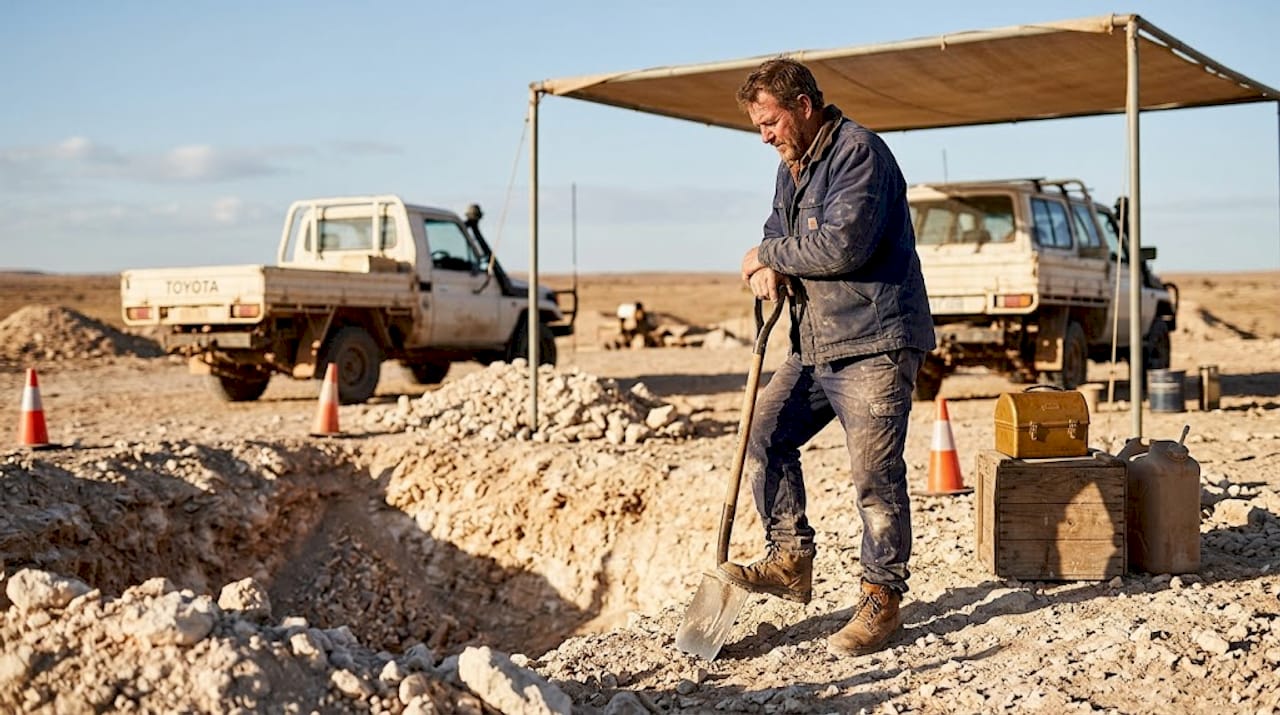
Australian opal mining is, by its nature, small-scale family operations, carried out through techniques including shaft sinking, tunneling, blowers, and noodling machines, with New South Wales regulations restricting most activity to underground methods. This is not corporate-scale industrial extraction. Each gem is pulled from the earth by individuals who know their field intimately, which is precisely what makes provenance so traceable and so valuable.
The market context matters equally. Many fields face exhaustion, and regulations continue to limit the opening of new mining areas, while global demand keeps rising. For buyers, that equation points in one clear direction: authentic Australian opals are becoming rarer and more precious with every passing season.
When evaluating mines, collectors should consider the following criteria:
- Body tone and transparency: Does the mine consistently produce black, white, crystal, or boulder opals?
- Play-of-color intensity: How vivid and broad-spectrum is the color flash associated with stones from this region?
- Mining method: Underground shaft mining tends to preserve stone integrity differently than open-cut operations.
- Regulatory compliance: Reputable fields operate within Australian state mining regulations, which protects ethical sourcing.
- Traceability: Can the dealer trace a stone back to a specific miner or licensed field?
- Rarity and output volume: Lower-volume fields often produce stones of exceptional distinction.
Understanding the full scope of advantages of Australian opals compared to synthetic or imported alternatives helps frame why mine-specific knowledge is not a collector’s obsession but a practical necessity.
Pro Tip: Prioritize color intensity and traceability over mine fame alone. A stone from a less-publicized field with documented provenance and extraordinary play-of-color will almost always outperform a loosely attributed “Lightning Ridge” stone with no paperwork.
Australia’s most famous opal mines: Profiles and highlights
Now that the evaluative framework is clear, the landscape of Australia’s great opal fields opens like a geological treasure map, each region carrying its own personality, its own palette, and its own history.
Coober Pedy, South Australia
Coober Pedy is the opal capital of the world, producing white and crystal opals through both open-cut and shaft mining. Located in the remote outback of South Australia, it has supplied more opal volume than any other field on earth. The town itself reflects its mining heritage, with residents living underground in “dugouts” to escape extreme temperatures, a lifestyle shaped entirely by the pursuit of opals.
White opals from Coober Pedy display a milky, luminous body tone with color flash ranging from soft pastels to vivid reds and greens. Crystal opals, which are semi-transparent, allow the play-of-color to appear suspended within the stone like light caught inside water. These gems are the foundation of most commercial opal jewelry and represent the accessible face of what makes Australian opals unique.
Lightning Ridge, New South Wales
No field captures the collector’s imagination quite like Lightning Ridge. This remote town in northwestern New South Wales is the world’s only significant source of true black opals, stones with a dark body tone that makes their spectral color flash ignite with almost supernatural intensity. Reds, violets, and electric greens seem to burn from within, a phenomenon that has made Lightning Ridge black opals among the most coveted colored gemstones on earth.
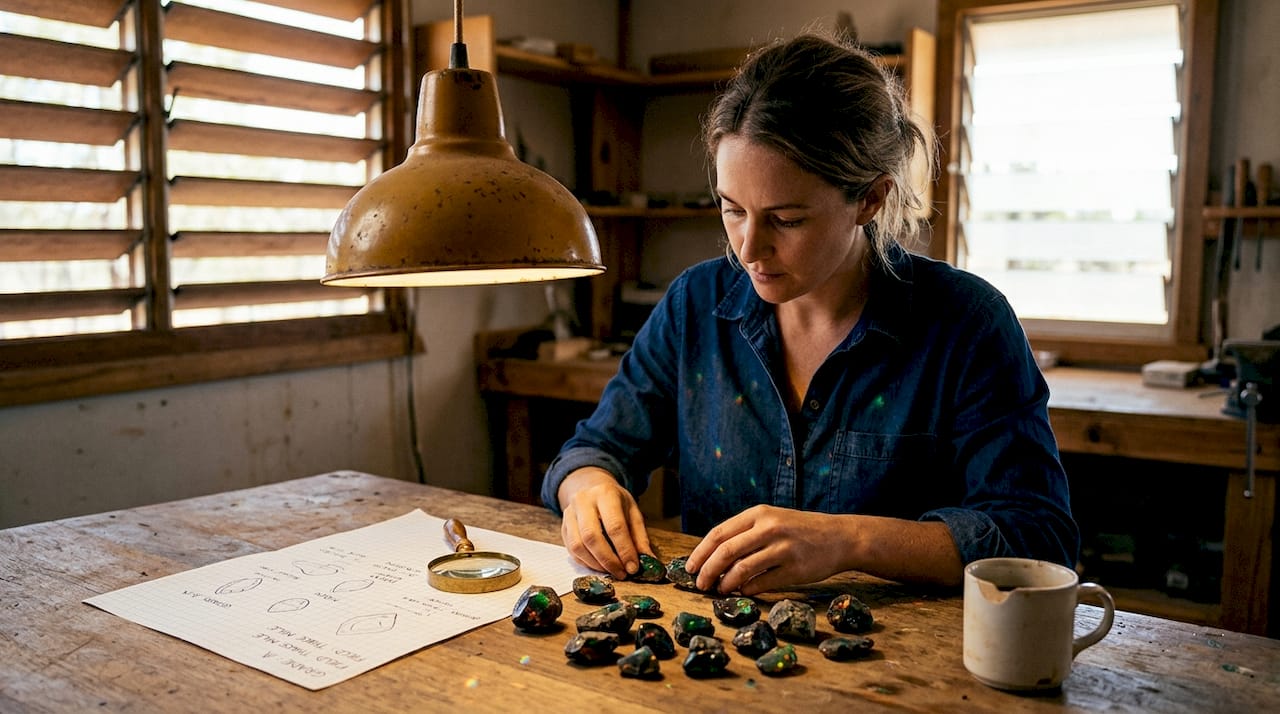
Estimated 2025 production sits at approximately 1,500 kg of black opal annually from Lightning Ridge, a figure that underscores just how rare these stones truly are. The mining here is predominantly underground, with miners sinking shafts by hand and machine through the opalescent clay layers known locally as “nobby” seams. Among the most famous Australian opals ever documented, several originate from this single remarkable town.
White Cliffs, New South Wales
White Cliffs is Australia’s oldest commercial opal field, where commercial mining began in the 1890s. The opals here are primarily milky white stones, but the field’s greatest distinction is the pineapple opal, a pseudomorph where opal has replaced the mineral iridescent shells or glauberite crystals, producing a form shaped like a pineapple’s surface. These specimens are extraordinarily rare and command significant attention from serious collectors. Shaft mining is the dominant method at White Cliffs, and the field’s long history means many seams have been deeply worked, making fresh discoveries especially prized.
Queensland boulder opal fields
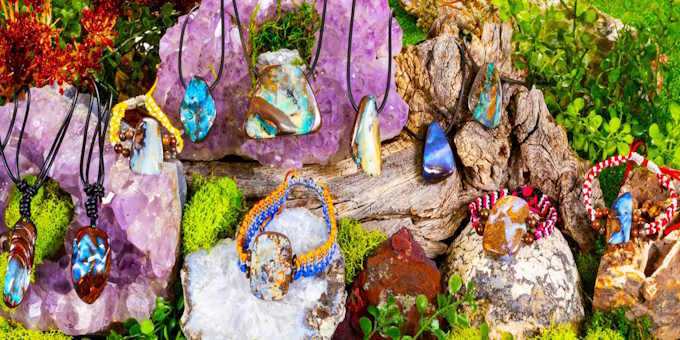
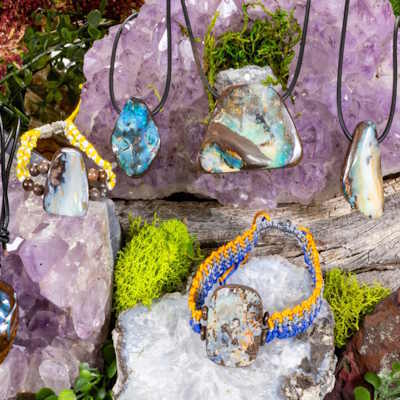
The Queensland fields occupy a distinct category within Australian opal mining. Yowah, Koroit, Quilpie, and Winton produce boulder opals through open-cut mining, where opal forms as a thin seam or veining within ironstone host rock. The ironstone matrix is left attached, providing both structural support and a dramatic visual contrast that makes boulder opals look like paintings embedded in ancient stone.
Yowah nuts, small ironstone concretions that may contain an opal kernel at their center, are among the most collectible natural formations in the gemstone world. Koroit opals are celebrated for wild, abstract patterning where opal and ironstone intertwine unpredictably. The meaning and rarity of these opals makes them favorites for statement jewelry and investment collections alike.
Pro Tip: Queensland boulder opals are often more durable than crystal or white opals due to their ironstone backing, making them excellent choices for everyday fine jewelry without sacrificing spectacular color play.
Comparing Australia’s major opal fields: Variety and output
A side-by-side comparison reveals how dramatically these fields differ in both output and character, information that shapes every sourcing decision a collector makes.
| Field | State | Primary Opal Type | Est. Annual Output | Dominant Mining Method | Signature Feature |
|---|---|---|---|---|---|
| Coober Pedy | South Australia | White, crystal | ~2,700 kg | Open-cut, shaft | Highest global volume |
| Lightning Ridge | New South Wales | Black opal | ~1,500 kg | Underground shaft | Rarest, most valuable type |
| White Cliffs | New South Wales | White, pineapple | Very limited | Shaft mining | Oldest commercial field |
| Yowah | Queensland | Boulder opal | Limited | Open-cut | Famous Yowah nuts |
| Koroit | Queensland | Boulder opal | Limited | Open-cut | Wild, abstract patterning |
| Quilpie/Winton | Queensland | Boulder opal | Limited | Open-cut | Regional ironstone variety |
Coober Pedy’s 2,700 kg annual output represents the largest single-field contribution to global opal supply, yet even this volume is modest compared to many other gemstones, reinforcing opal’s inherent scarcity. Lightning Ridge’s 1,500 kg output, by contrast, commands disproportionately high prices per stone because black opals sit at the top of the value hierarchy.
Key takeaways for collectors and investors reviewing this data:
- Coober Pedy stones offer the best entry point for collectors because of their relative volume, allowing more selection within a reasonable budget.
- Lightning Ridge black opals carry the highest per-carat value and the strongest long-term investment profile.
- Queensland boulder opals represent excellent value for statement pieces, pairing visual drama with structural durability.
- White Cliffs pineapple opals are pure specimen collector territory, seldom seen and consistently undervalued outside specialist circles.
- Any field beyond these well-documented names should be approached with heightened scrutiny around provenance documentation.
For any collector serious about long-term investment, consulting an authenticity guide for collectors before purchasing is time extremely well spent. The ability to distinguish opal origins also ensures you are comparing stones accurately when making side-by-side assessments.
Sourcing tips: Authenticity, traceability, and ethical concerns
With the mine profiles and comparative data in place, the final and perhaps most critical question becomes practical: how do you actually confirm that the stone you are purchasing is what the seller claims it to be?
As regulations tighten and fields approach exhaustion, the risk of misrepresented origin only grows. The steps below give collectors a reliable process for confirming genuinely Australian-sourced opals before committing to a purchase.
- Request a certificate of origin. Legitimate dealers specializing in Australian opals will provide documentation linking a stone to a specific field, and often to a licensed miner or operation.
- Verify the dealer’s direct-miner relationships. A retailer with verified connections to Australian mining operations can provide supply chain transparency that a reseller simply cannot.
- Examine the stone’s physical characteristics. Familiarize yourself with the typical body tones, inclusions, and matrix patterns of each field. A supposed Lightning Ridge black opal with a white or milky body tone is an immediate contradiction.
- Ask about mining method documentation. Reputable sellers can often confirm whether a stone came from an underground shaft operation or open-cut field, which aligns with the expected profile for that region.
- Research the seller’s standing. Look for reviews, industry affiliations, and transparent storytelling about where their inventory originates.
- Be cautious of unusually low pricing. Genuine Australian opals, particularly black and crystal varieties, carry a market value that cannot be dramatically undercut without a serious reason.
“As supply from the world’s great opal fields continues to tighten, the story behind each stone matters as much as the stone itself. Provenance is not paperwork. It is the gem’s identity.”
Pro Tip: The most reliable red flag for a falsely claimed mine origin is vague language. If a seller says “Australian opal” without being able to specify a field, a miner, or a supply chain, treat that ambiguity as a warning, not a minor detail.
Learning how to authenticate Australian opals before buying is one of the most valuable skills a collector can develop. Equally, understanding what ethical opal sourcing actually looks like in practice separates principled collecting from inadvertent participation in misrepresentation. For online purchases specifically, reviewing tips for buying authentic opals provides a practical checklist that applies across every reputable platform.
Beyond the list: What most collectors miss about opal mine prestige
Here is a perspective that fewer collectors hear openly: mine prestige can quietly distort judgment. The fame of Lightning Ridge or Coober Pedy is genuinely earned, but it also creates a gravitational pull that can make collectors overlook extraordinary stones from less-celebrated origins.
Lesser-known Queensland operations, small family claims near Andamooka in South Australia, or deeply worked but still productive corners of existing fields often yield stones of exceptional character. Because they lack the marketing weight of the major names, they are sometimes priced below their true worth, a genuine opportunity for the collector who evaluates stone quality first and location second.
Expert collectors who have spent years in this space consistently say the same thing: the play-of-color, the cut quality, and the clarity of provenance documentation matter more than the prestige of a particular postcode. A perfectly cut, fully traceable crystal opal from a family claim outside Coober Pedy’s main field can outshine a poorly cut, loosely attributed stone from the most famous seam in Lightning Ridge.
The growing emphasis on ethics and traceability in 2026 reflects this maturation of collector values. Buyers increasingly want to know not just where a stone came from, but how the land was treated, how the miner was compensated, and whether the operation respects both the environment and the communities around it. This is not sentimentality. It is the direction the entire fine gemstone market is moving, and opal collectors are well positioned to lead that conversation.
The most enduring collections are built by those who balance mine knowledge with stone quality, provenance rigor, and a genuine relationship with the unique luxury opals that transcend any single field’s reputation.
Discover and shop genuine Australian opals
Every mine profile and sourcing framework in this article points toward one essential next step: finding opals you can trust, from origins you can verify, through a source built on direct relationships with the miners themselves.

Australian Opal Direct sources its collection from the fields explored here, Coober Pedy, Lightning Ridge, and the Queensland boulder opal regions, working directly with miners to ensure authenticity and ethical practice. Whether you are drawn to the kaleidoscopic fire of a Lightning Ridge black opal, the luminous transparency of a Coober Pedy crystal, or the dramatic ironstone artistry of a Koroit boulder opal, the collection reflects the full geographic and geological breadth of Australia’s finest fields. Free shipping, complimentary insurance, and a 90-day warranty make every purchase a confident one.
Frequently asked questions
What is the most famous opal mine in Australia?
Coober Pedy is the opal capital, producing the largest global volume of white and crystal opals through both open-cut and shaft mining operations in South Australia.
Which mine produces Australia’s rare black opals?
Lightning Ridge in New South Wales is the world’s leading source of black opals, with estimated annual production of 1,500 kg, making each genuine stone a rarity.
How can buyers confirm the origin of their opal?
Buyers should request a certificate of origin and purchase only from dealers with verified direct-miner relationships who can document a specific field and supply chain for each stone.
Why are authentic Australian opals becoming scarcer?
Many fields are nearing exhaustion and regulations restrict the opening of new mining areas, while rising global demand continuously narrows the available supply of genuine Australian opals.
Are ethical concerns important when sourcing opals?
Ethical sourcing is essential to ensure fair compensation for miners, responsible land use, and accurate representation of a gemstone’s origin, all factors that protect both the collector and the integrity of the broader opal market.
Recommended
- 7 Most Famous Australian Opals Every Collector Should Know - Australian Opal Direct
- 7 Types of Australian Opals Every Collector Should Know - Australian Opal Direct
- Expert Guide to Buying Australian Opals for Collectors - Australian Opal Direct
- How to Authenticate Australian Opals for Genuine Value - Australian Opal Direct