Opal Shape Guide: Cuts, Styles, and Meanings
Posted by AOD on 14th Jul 2026
Opal Shape Guide: Cuts, Styles, and Meanings
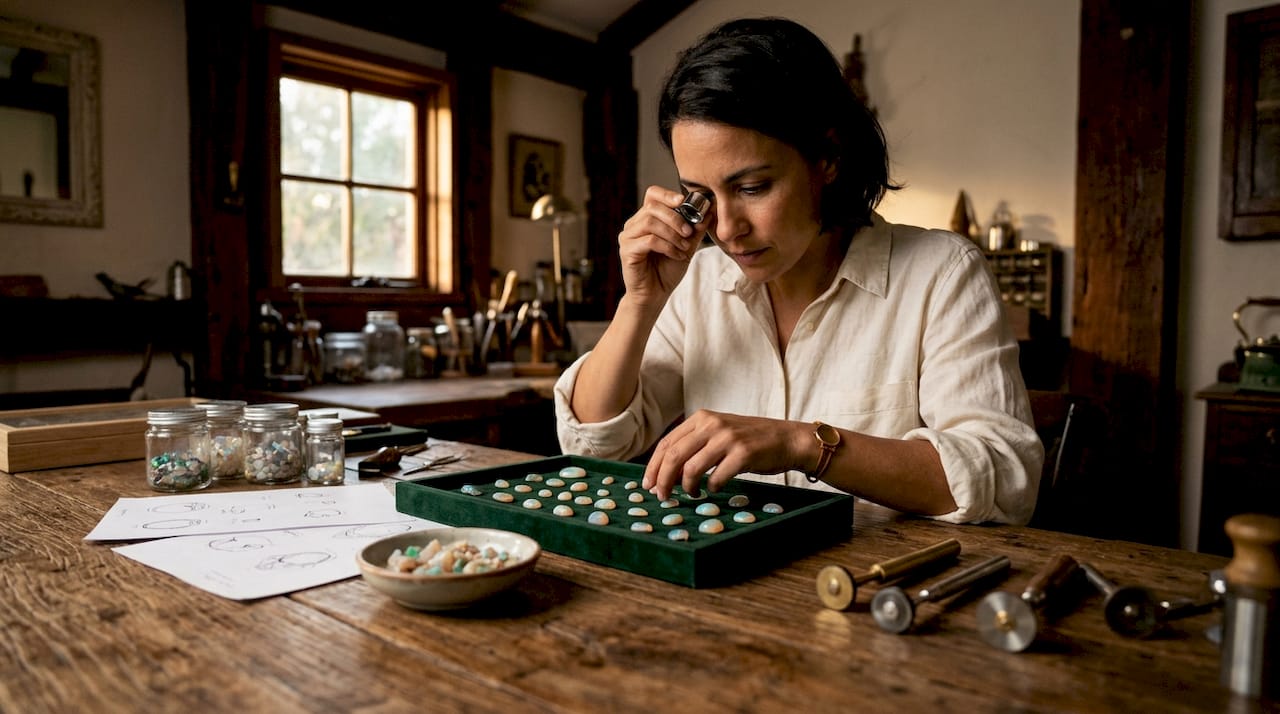
TL;DR:
- Opal shape influences both the gemstone’s brilliance and its durability, shaping how light interacts with the stone. Common forms include cabochons, faceted cuts, and organic boulder shapes, each suited for different types of opals and jewelry styles. Selecting the appropriate shape depends on the stone’s physical properties, intended use, and the wearer’s lifestyle to ensure longevity and aesthetic appeal.
Opal shape is defined as the specific cut or form given to an opal gemstone, directly determining its brilliance, play-of-color, and suitability for jewelry design. The most common forms include the smooth-domed cabochon, faceted geometric cuts like the emerald and marquise, and the irregular organic silhouettes of boulder opal. Each shape interacts differently with light, either amplifying the stone’s iridescent fire or emphasizing its body color. Opal’s softness, rating 5.5–6.5 on the Mohs scale, makes shape selection as much a practical decision as an aesthetic one. Choosing the right form is the first step toward a piece that is both beautiful and built to last.
What are the common opal shapes and cut styles?
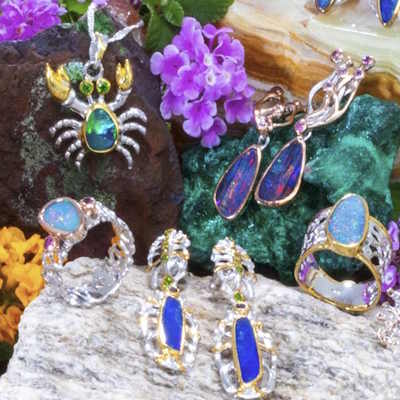
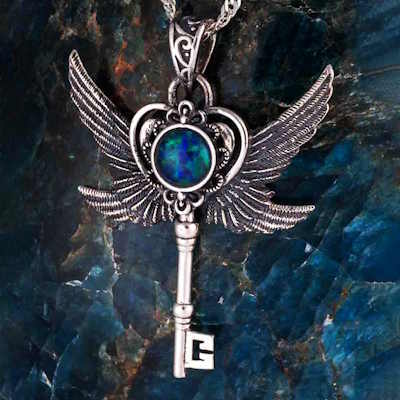
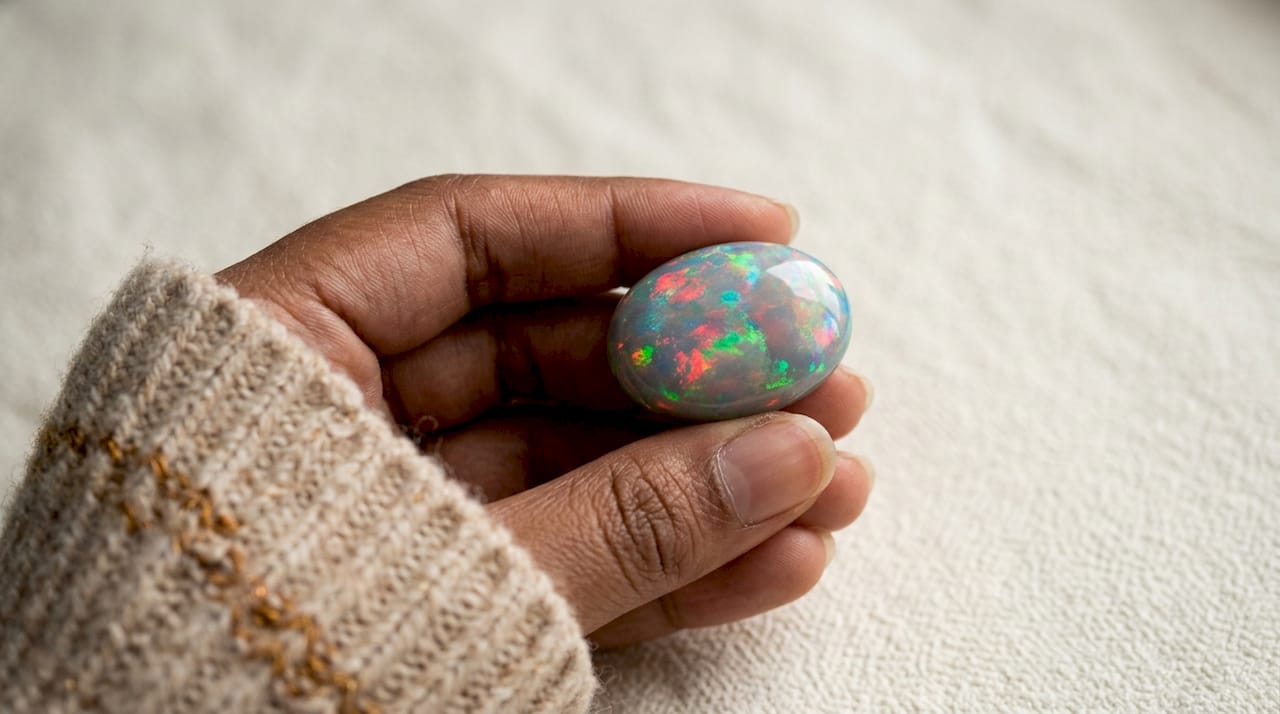
The cabochon is the most widely recognized opal cut style. It features a smooth, polished dome with a flat base, and cabochon cut maximizes play-of-color by presenting the stone’s silica sphere layers at the ideal viewing angle. Precious opals from Lightning Ridge and Coober Pedy almost always appear in cabochon form for exactly this reason.
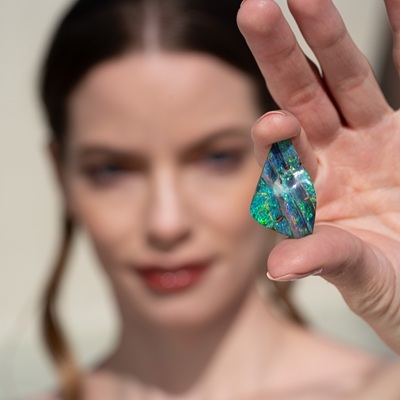
Faceted cuts tell a different story. These geometric shapes, borrowed from diamond and sapphire cutting traditions, include the emerald, princess, cushion, kite, and marquise. Faceted opal cuts offer modern geometric appeal but require careful setting because sharp corners chip easily. They work best on fire opal, which carries enough transparency to reward the brilliance that faceting creates.
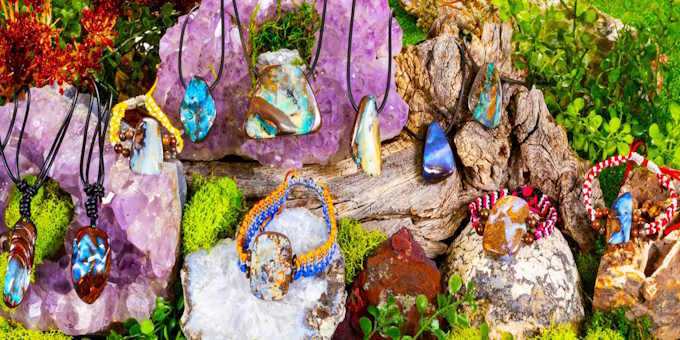
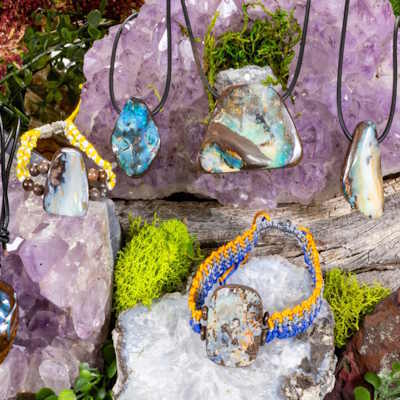
Boulder opal occupies its own category entirely. These stones retain their ironstone host rock, producing irregular, organic silhouettes that no cutter could replicate by hand. The shapes follow the natural contours of the Queensland ironstone matrix, making every stone genuinely one of a kind.
| Shape | Visual character | Best opal type | Typical use |
|---|---|---|---|
| Oval cabochon | Smooth dome, full color play | Precious, black, crystal opal | Rings, pendants, earrings |
| Round cabochon | Symmetrical, classic elegance | White, crystal opal | Stud earrings, solitaire rings |
| Emerald cut | Rectangular, step-cut clarity | Fire opal | Statement rings |
| Cushion cut | Rounded corners, soft sparkle | Fire opal | Fashion rings, pendants |
| Marquise cut | Elongated, finger-lengthening | Fire opal | Cocktail rings |
| Kite cut | Asymmetric, angular drama | Fire opal | Modern art jewelry |
| Boulder organic | Freeform, nature-driven | Boulder opal | Collector pieces, pendants |
The variety of opal cut styles available in 2026 reflects a market that values both tradition and individuality. Oval and round cabochons remain the top sellers for everyday jewelry, while faceted and organic forms attract collectors and designers seeking something less expected.
How do opal’s physical properties influence shape selection?
Opal’s structure dictates which shapes are even possible. Opals rate 5.5–6.5 on the Mohs scale, making them softer than quartz and far softer than diamond. That softness means sharp corners and thin edges are genuine vulnerabilities, not just design considerations.
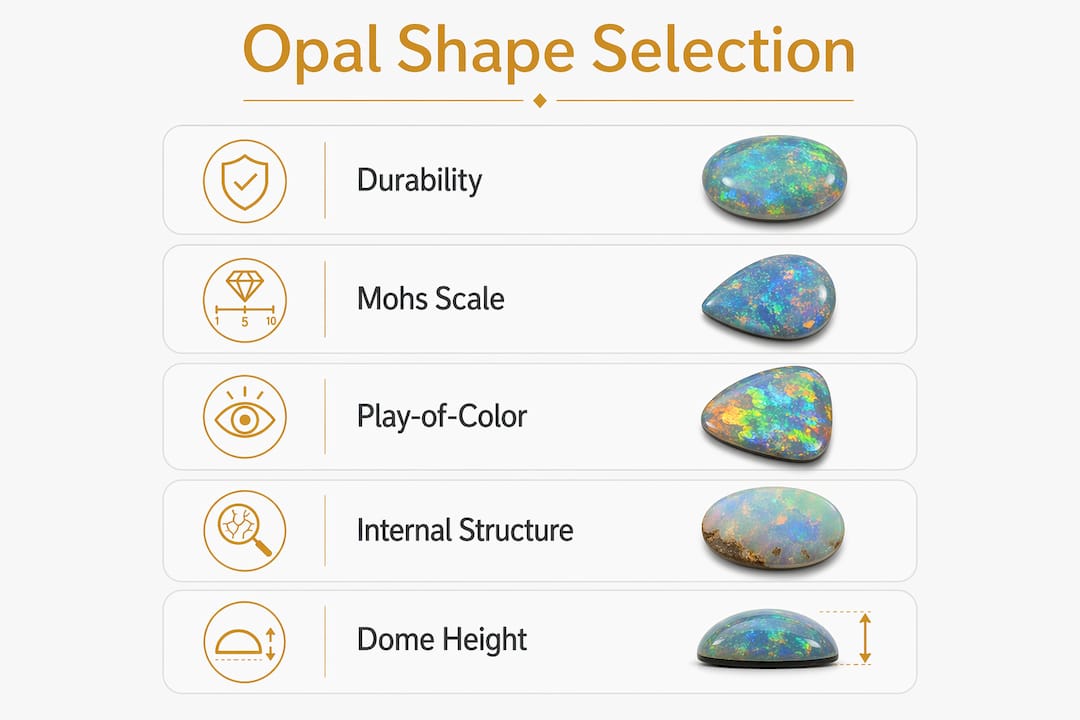
The internal architecture of an opal also matters. Play-of-color depends on microscopic silica sphere arrangement, and the dome of a cabochon presents those spheres at the angle that produces the most vivid spectral display. Smaller spheres generate blue and violet hues; larger, more uniform spheres produce the prized red and orange fire. A flat or faceted surface scatters that effect rather than concentrating it.
Transparency is the deciding factor between faceting and cabochoning. Faceting requires transparency and clarity for brilliance, which is why fire opal, often found in Mexico and Ethiopia, is the primary candidate. Precious Australian opals are typically too internally complex and too opaque to benefit from faceting. Cutting them with flat facets would diminish, not enhance, their color play.
Key physical considerations when selecting an opal shape:
- Hardness: Softer stones need rounded edges. Avoid sharp-pointed cuts like the marquise for daily-wear pieces unless the setting fully protects the tips.
- Transparency: Clear, glassy fire opal suits faceted cuts. Milky or color-play-rich precious opal suits cabochon forms.
- Thickness: Thin cabochons and doublets are more fragile than solid, well-domed stones. A higher dome generally means better durability and stronger color display.
- Natural inclusions: Organic inclusions in boulder opal are structural features, not flaws. The ironstone backing adds strength rather than weakness.
Pro Tip: When evaluating a cabochon, look at the dome height from the side. A flatter dome often means a compromised color display. A well-proportioned dome, roughly one-third the width of the stone in height, delivers the richest play-of-color.
What are the aesthetic and symbolic meanings of opal shapes?
Shape carries meaning beyond structure. The oval cabochon, the most traditional of all opal gemstone shapes, has long been associated with wholeness and continuity. Its unbroken curve mirrors the full spectrum of color within the stone, making it a natural symbol of completeness and harmony.
The round cabochon shares that symbolism but adds a sense of perfect balance. Round opals appear frequently in birthstone jewelry for October, the month opal governs in the traditional gemstone calendar. Taurus and Libra wearers also claim opal as a stone of emotional clarity and creative vision.
Modern geometric cuts carry their own distinct character:
- Emerald cut: Conveys refinement and intellectual elegance. Its rectangular step-cut lines suggest order and precision, appealing to wearers who favor architectural jewelry.
- Cushion cut: Soft corners and a rounded silhouette communicate warmth and approachability. This shape suits romantic and vintage-inspired designs.
- Marquise cut: The elongated oval with pointed ends creates a sense of drama and movement. It visually lengthens the finger and projects confidence.
- Kite cut: Asymmetric and angular, the kite shape signals individuality. It is the choice of collectors who want a piece that reads as art rather than adornment.
- Boulder opal organic forms: These freeform silhouettes express raw natural artistry. No two are identical, and that irreproducibility is precisely their appeal. Boulder opal’s natural backing adds structural strength while creating shapes that collectors pay premiums to own.
The shape you choose for an opal communicates something about the wearer. A classic oval speaks to timeless taste. A freeform boulder piece speaks to a reverence for nature’s own design process. Neither choice is wrong. Both are expressions of what draws you to this extraordinary gemstone.
How to choose the right opal shape for custom jewelry design?
The right opal shape for a custom piece depends on three factors: the jewelry type, the wearer’s lifestyle, and the setting style. Getting all three aligned produces a piece that wears beautifully for decades.
For engagement ring selection, the oval cabochon is the most practical starting point. It offers a generous surface area for color display, no vulnerable sharp corners, and a silhouette that suits virtually every hand shape. The round cabochon is the second most popular choice for the same reasons.
Faceted shapes like the cushion and emerald cut work well in fashion rings and pendants where the piece is worn occasionally rather than daily. Bezel and halo settings protect delicate opals from daily wear damage, and they are the recommended choice for any faceted opal regardless of the occasion. Prong settings expose the stone’s edges and are a poor match for opal’s softness.
Practical shape selection checklist:
- Daily wear: Choose oval or round cabochon in a bezel or half-bezel setting. Avoid pointed cuts.
- Occasional wear: Cushion, emerald, or marquise cuts in a halo setting are appropriate.
- Collector or statement pieces: Boulder opal organic forms in open-backed settings that showcase the ironstone matrix.
- Pendants and earrings: Almost any shape works here because these pieces face less physical impact than rings.
- Budget: Larger cabochons and unique boulder forms command higher prices. Smaller faceted fire opals offer geometric appeal at a lower entry price.
In 2026, jewelry designers are showing strong interest in types of opal cuts that blend traditional cabochon forms with modern asymmetric outlines. Boulder opal pendants with organic silhouettes are particularly sought after in the collector market. The trend reflects a broader appetite for pieces that feel personal rather than mass-produced.
Pro Tip: Before commissioning a custom piece, ask your jeweler to show you the stone in the intended setting before final mounting. The shape that looks perfect loose may sit differently once set, and a good jeweler will adjust the bezel depth to protect the stone without obscuring its color.
Key takeaways
Opal shape determines not just a gemstone’s appearance but its durability, setting requirements, and symbolic resonance in any jewelry design.
| Point | Details |
|---|---|
| Cabochon is the standard | The smooth dome maximizes play-of-color and suits most precious Australian opals. |
| Faceting requires transparency | Fire opal is the primary candidate for emerald, cushion, and marquise cuts. |
| Boulder opal shapes are unique | Ironstone backing creates organic forms no cutter can replicate, adding strength and collector value. |
| Setting choice is as important as shape | Bezel and halo settings protect soft opal edges; prong settings increase chip risk. |
| Shape carries symbolic meaning | Oval and round forms suggest harmony; geometric cuts signal modernity; freeform boulder pieces express natural artistry. |
Why opal shape deserves more attention than most buyers give it
Most buyers walk into an opal purchase focused entirely on color. That is understandable. The kaleidoscopic fire of a fine Lightning Ridge black opal is genuinely arresting. But shape is what determines whether that color survives five years of daily wear or chips within six months.
I have seen beautiful faceted fire opals set in prong rings that arrived for repair within a year, corners chipped and color lost at the edges. The stones were not inferior. The shape and setting combination was wrong for the wearer’s lifestyle. A cushion cut in a bezel would have served the same person perfectly.
The growing appreciation for boulder opal forms is one of the most encouraging trends I have observed. Buyers are starting to understand that an irregular silhouette is not a compromise. It is a feature. The ironstone matrix that gives boulder opal its organic shape also gives it structural integrity that many faceted stones cannot match.
My honest advice: match your shape to your life before you match it to your aesthetic. If you wear your jewelry every day, the oval cabochon in a bezel setting is not the conservative choice. It is the wise one. Reserve the geometric cuts for pieces you will treasure and protect. And if you are drawn to something truly singular, let a boulder opal’s natural form make the decision for you. Nature has already done the design work.
— Renee
Australianopaldirect: your source for every opal form
Choosing the right opal shape is easier when you have access to a curated selection and expert guidance in one place.
Australianopaldirect sources genuine earth-mined opals directly from Lightning Ridge, Coober Pedy, and Queensland, offering cabochon, faceted, and boulder opal forms across rings, pendants, earrings, and custom designs. Every piece reflects a direct relationship with Australian miners, which means authentic stones at honest prices. Whether you are drawn to the classic oval cabochon, the drama of a marquise cut fire opal, or the raw artistry of a freeform boulder piece, the full opal collection includes options for every taste and budget. Custom jewelry consultations are available for buyers who want a shape and setting tailored to their specific vision.
FAQ
What is the most popular opal shape for rings?
The oval cabochon is the most popular opal shape for rings. It maximizes play-of-color, suits most setting styles, and has no vulnerable sharp corners that could chip with daily wear.
Can opals be faceted like diamonds?
Opals can be faceted, but only transparent varieties like fire opal are suitable candidates. Precious Australian opals are typically cut as cabochons because faceting would scatter rather than enhance their play-of-color.
What makes boulder opal shapes unique?
Boulder opal retains its natural ironstone host rock, producing organic, freeform shapes that follow the stone’s natural contours. The GIA classifies boulder opal as natural opal type 2, and the ironstone backing adds both structural strength and visual contrast.
Which opal shape is best for an engagement ring?
The oval or round cabochon in a bezel or halo setting is the best choice for an engagement ring. These shapes minimize chip risk and showcase the stone’s color play across the full surface area.
Does opal shape affect price?
Shape directly affects price. Larger cabochons with strong domes, unique boulder opal organic forms, and well-proportioned faceted fire opals all command premiums. Smaller or more standard shapes offer accessible entry points without sacrificing the opal’s essential character.
Recommended
- 7 Essential Types of Opal Cuts Every Collector Should Know - Australian Opal Direct
- Meaning of Opal Colors: Complete Guide for Collectors - Australian Opal Direct
- What Is Opal Pattern? Complete Guide to Types and Value - Australian Opal Direct
- Opal Opacity Explained: Guide for Gemstone Buyers - Australian Opal Direct