7 Essential Types of Opal Cuts Every Collector Should Know
Posted by AOD on 1st Jan 2026
7 Essential Types of Opal Cuts Every Collector Should Know
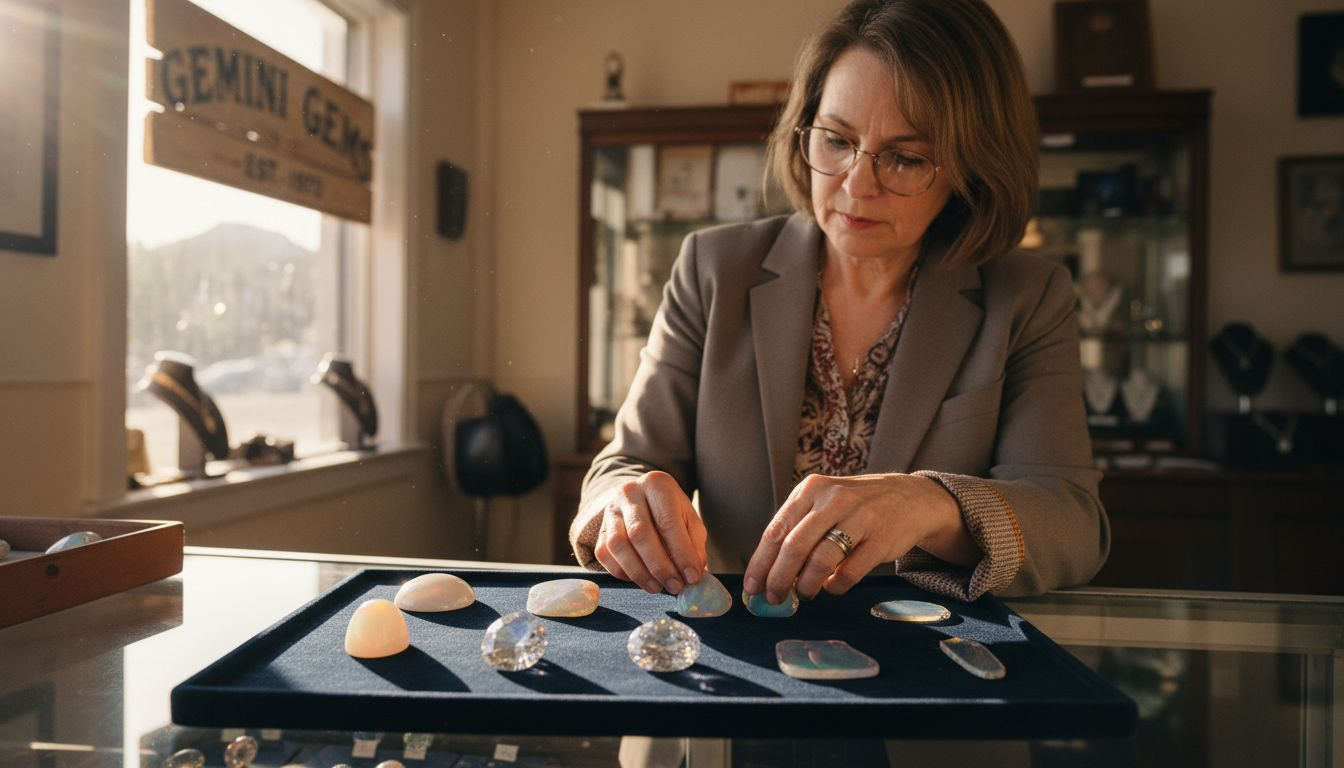
Color and radiance become powerful design tools when jewelry creators select from the spectrum of opal cuts now prized by American designers and collectors worldwide. Each cut reveals a different facet of Australian opals, famed for their mesmerizing play of color. With over 90 percent of the planet’s precious opals mined in Australia, understanding these cutting techniques helps both jewelers and luxury consumers choose stones that truly enhance collections and custom designs.
Table of Contents
- 1. Understanding the Cabochon Cut for Brilliant Color
- 2. Exploring the Freeform Cut for Unique Opal Shapes
- 3. Advantages of the Doublet Cut for Durability and Price
- 4. Benefits of the Triplet Cut in Opal Jewelry Design
- 5. Choosing the Faceted Cut for Added Sparkle
- 6. Utilizing the Inlay Cut for Customized Jewelry Creations
- 7. Selecting the Slice Cut to Highlight Opal Patterns
Quick Summary
| Key Takeaway | Explanation |
|---|---|
| 1. Choose the Right Cut for Opal | Select gemstone cuts based on the opal’s properties and desired effects. Each cut maximizes different attributes, enhancing visual appeal. |
| 2. Examine Light Interaction | Always evaluate opals under various lighting conditions to fully appreciate their color play and brilliance, regardless of the cut type. |
| 3. Prioritize Quality in Doublets and Triplets | Look for seamless integration between layers in doublet and triplet cuts to ensure durability while highlighting opal’s color intensity. |
| 4. Embrace Unique Shapes with Freeform Cuts | Freeform cuts allow natural beauty and individuality, making each opal a unique statement piece in jewelry design. |
| 5. Understand Inlay for Custom Designs | Inlay cuts enable creative jewelry designs by embedding opal fragments into metal, allowing for intricate and personalized aesthetics. |
1. Understanding the Cabochon Cut for Brilliant Color
The cabochon cut represents a classic gemstone shaping technique that transforms opals into mesmerizing works of art. Unlike faceted cuts with multiple geometric angles, cabochons feature a smooth, rounded top and flat bottom that showcases an opal’s natural color play and optical characteristics.
Originating from the French word meaning “small dome,” the cabochon cut is particularly well suited for opals due to their delicate structure and unique light interaction properties. Opal experts recognize this cut as ideal for highlighting the stone’s inherent rainbow effects, making it a preferred method for jewelry designers and collectors worldwide.
The rounded surface of a cabochon allows light to move across the stone’s surface in sweeping waves, creating a stunning visual effect that accentuates the opal’s natural color shifts. This technique protects softer gemstones from potential damage while maximizing their aesthetic appeal. Professional lapidaries carefully shape each cabochon to ensure the most vibrant color display possible.
When selecting a cabochon cut opal, look for stones with even coloration, smooth curves, and a balanced dome that reflects light uniformly. The cut should enhance the stone’s natural characteristics without introducing artificial geometric interruptions.
Pro tip: When evaluating cabochon opals, examine the stone under different light sources to appreciate its full color spectrum and ensure the cut maximizes its inherent beauty.
2. Exploring the Freeform Cut for Unique Opal Shapes
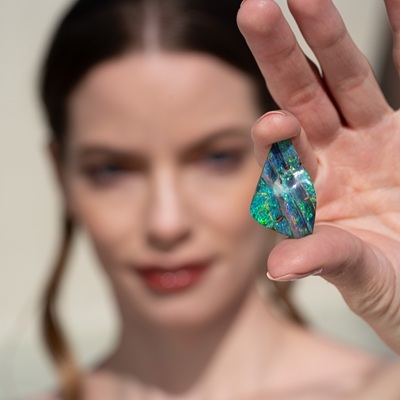
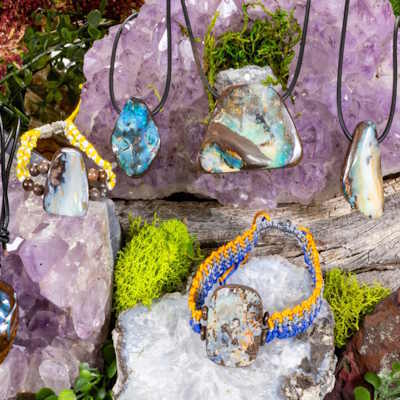
The freeform cut represents the most artistic and unconventional approach to shaping opals, celebrating the stone’s natural beauty and individual character. Unlike traditional geometric cuts, freeform styles embrace asymmetry and organic shapes that highlight each opal’s unique color patterns and intrinsic structure.
Jewelry designers and collectors increasingly appreciate freeform cuts because they transform opals into one of a kind artistic statements. Custom jewelry designers often leverage these unique cuts to create truly individual pieces that showcase the stone’s natural landscape and inherent color variations.
Freeform cutting requires exceptional skill from lapidaries who must carefully analyze an individual opal’s structure, color distribution, and potential vulnerabilities. The goal is to maximize the stone’s visual appeal while maintaining its structural integrity. This approach allows opals with irregular shapes or unusual color patterns to become stunning centerpieces in rings, pendants, and statement jewelry.
When evaluating freeform cut opals, consider how the shape complements the stone’s natural color play and highlights its most attractive features. Look for cuts that create visual balance and draw the eye to the opal’s most vibrant regions.
Pro tip: When selecting a freeform cut opal, rotate the stone under different light sources to understand how its unique shape interacts with illumination and reveals its most captivating characteristics.
3. Advantages of the Doublet Cut for Durability and Price
The doublet cut represents a strategic approach to opal jewelry that balances affordability with aesthetic appeal. This specialized cutting technique involves layering a thin slice of high quality opal onto a more durable backing material such as black onyx or ironstone, creating a stunning visual effect while protecting the delicate gemstone.
Custom jewelry designers frequently utilize doublet cuts to maximize the visual potential of opals while keeping costs manageable. The backing material serves multiple critical functions: it provides structural support, enhances the opal’s color intensity, and allows collectors to enjoy premium looking stones at a more accessible price point.
Doublet cuts are particularly advantageous for opals with thin or fragile layers. By attaching the opal to a sturdy base, lapidaries can create jewelry pieces that are significantly more resistant to chipping and damage compared to traditional single stone settings. This technique transforms potentially delicate opals into wearable, long lasting gemstones that retain their brilliance.
When selecting a doublet cut opal, examine how seamlessly the opal layer integrates with its backing. The best doublets feature nearly invisible transitions and showcase the opal’s natural color play without visible interruptions.
Pro tip: Always request certification or professional documentation when purchasing doublet cut opals to ensure the quality of both the opal layer and its supporting material.
4. Benefits of the Triplet Cut in Opal Jewelry Design
The triplet cut represents the most sophisticated approach to creating durable and visually stunning opal jewelry pieces. This advanced cutting technique involves three distinct layers that work together to enhance the opal’s natural beauty while providing maximum protection and affordability.
Understanding the nuanced differences between opal doublets and triplets helps collectors make informed purchasing decisions, with the triplet cut offering superior structural integrity. Typically, a triplet consists of a thin opal layer sandwiched between a sturdy base material and a clear protective dome usually made of quartz or glass.
The top protective layer serves multiple critical functions. It magnifies the opal’s color play, creates additional depth and dimension, and shields the delicate opal slice from potential damage. This multilayered construction allows jewelry designers to work with smaller or more fragile opal specimens that might otherwise be unsuitable for traditional settings.
Collectors appreciate triplet cuts because they provide an opportunity to own high quality opals at a more accessible price point. The strategic layering technique enables the use of smaller opal fragments that would be challenging to set in traditional jewelry designs.
Pro tip: When evaluating triplet cut opals, examine the clarity and transparency of the protective dome and ensure seamless integration between all three layers.
5. Choosing the Faceted Cut for Added Sparkle
The faceted cut transforms opals from beautiful stones into mesmerizing jewelry pieces that capture and reflect light with extraordinary brilliance. Unlike smooth cabochon cuts, faceted opals feature precisely angled geometric surfaces that interact dynamically with illumination, creating a stunning visual display of color and movement.
Custom jewelry designers increasingly utilize faceted cuts to maximize the optical potential of high quality opals, strategically positioning geometric planes to enhance the stone’s natural color play. Professional lapidaries carefully calculate each angular surface to create maximum light reflection and color dispersion.
Faceted cuts work particularly well with transparent or translucent opals that possess exceptional color intensity. The geometric angles act like tiny prisms, breaking light into multiple wavelengths and creating a spectacular rainbow effect known as play of color. This cutting technique requires extraordinary skill, as opal’s delicate structure demands precision to prevent chipping or structural damage.
When selecting a faceted opal, examine how the cut interacts with light from multiple angles. The best faceted opals will display a vibrant color spectrum that seems to dance and shift with movement.
Pro tip: Rotate a faceted opal under different lighting conditions to fully appreciate the intricate ways its geometric surfaces transform and amplify its natural color characteristics.
6. Utilizing the Inlay Cut for Customized Jewelry Creations
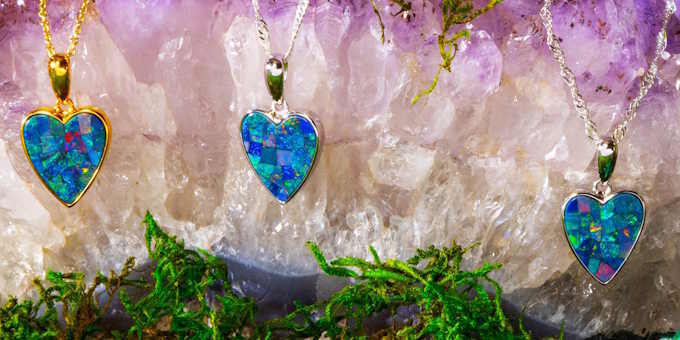
The inlay cut represents a revolutionary approach to jewelry design, allowing artists to create intricate and personalized pieces by precisely embedding opal fragments into metal surfaces. This cutting technique transforms opals from standalone gemstones into dynamic design elements that can be seamlessly integrated into rings, pendants, and other jewelry pieces.
Innovative jewelry designers are increasingly exploring opal inlay techniques to create unique custom designs, leveraging the method’s extraordinary creative potential. The process involves carefully cutting and positioning small opal pieces into precisely crafted recesses within metal settings, creating a smooth and integrated appearance.
Lab-grown crushed opals have become particularly popular for inlay work due to their superior durability and consistent coloration. These synthetic materials provide exceptional stability and sustainability, allowing jewelers to create intricate designs without the fragility associated with natural opal fragments.
Inlay cuts work exceptionally well for contemporary jewelry designs, enabling artists to create geometric patterns, abstract shapes, and complex color gradients that would be impossible with traditional stone settings. The technique allows for unprecedented levels of creative expression and personalization.
Pro tip: When selecting opals for inlay work, prioritize stones with consistent color patterns and minimal internal fractures to ensure a seamless and long lasting design.
7. Selecting the Slice Cut to Highlight Opal Patterns
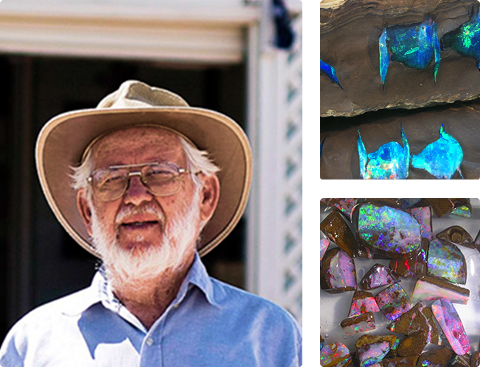
The slice cut represents a sophisticated technique that transforms opals into visual storytelling canvases, revealing their most spectacular internal landscapes. By carefully cutting thin sections of rough opal, lapidaries can expose breathtaking color bars and intricate natural patterns that might otherwise remain hidden.
Understanding the nuanced characteristics of different opal patterns helps collectors appreciate the true artistry of slice cuts. This cutting method allows jewelers to showcase the stone’s most dynamic color regions, creating pieces that are essentially wearable works of art.
Slice cuts are particularly valuable for opals with complex internal structures, such as those from Lightning Ridge or Queensland. The technique involves precisely cutting thin sections that reveal the stone’s most vibrant color transitions, color bars, and unique geometric formations. Professional lapidaries use specialized equipment to create slices that maximize the opal’s visual potential.
When selecting a slice cut opal, look for pieces that display a consistent and balanced color distribution. The ideal slice should highlight the stone’s natural color play while maintaining structural integrity and visual harmony.
Pro tip: Examine slice cut opals under different lighting conditions to fully appreciate how their internal patterns shift and transform with subtle changes in illumination.
Below is a comprehensive table summarizing the key gemstone cutting techniques and their characteristics as discussed throughout the article.
| Cutting Technique | Description | Key Benefits |
|---|---|---|
| Cabochon Cut | A smooth, rounded top with a flat bottom designed to enhance the natural color play of opals. | Highlights color shifts, protects softer gemstones, maximizes aesthetic appeal, and suits delicate structures. |
| Freeform Cut | Artistic and asymmetrical designs that celebrate the unique character of each opal. | Enhances natural color patterns, creates one-of-a-kind jewelry, and maintains structural integrity. |
| Doublet Cut | A thin slice of opal bonded to a durable backing material for affordability and durability. | Enhances opal color intensity, supports fragile opals, and reduces costs for high-quality stones. |
| Triplet Cut | Involves a top clear protective dome, an opal layer, and a base layer to enhance and protect. | Provides 3-layer protection, magnifies color play, and allows for utilization of smaller opal fragments. |
| Faceted Cut | Features geometric angles for enhanced light reflection and vibrant sparkle. | Maximizes optical brilliance and creates an intensified play-of-color effect, especially for transparent opals. |
| Inlay Cut | Small pieces of opal set into metal surfaces, offering intricate artistic designs. | Enables creative, customized jewelry with versatile design possibilities. |
| Slice Cut | Thin sections of opal that reveal intricate natural patterns and color bars. | Highlights the internal beauty of opals, creating unique and visually captivating jewelry pieces. |
Discover the Perfect Opal Cut for Your Collection Today
Choosing the right opal cut is essential for showcasing the stone’s natural beauty while ensuring durability and lasting value. Whether you are drawn to the timeless charm of cabochon cuts or the unique artistry of freeform shapes, understanding these options helps you make an informed decision that matches your style and collecting goals. Australian Opal Direct specializes in authentic Australian opals from renowned regions like Lightning Ridge and Coober Pedy, offering a curated selection that highlights every distinctive cut discussed in the article.

Explore our exclusive range of custom-designed opal jewelry that captures the true essence of each cut. Benefit from our direct miner relationships, competitive pricing, and premium craftsmanship. Don’t wait to own a piece that resonates with your passion for exquisite Australian opals. Visit Australian Opal Direct now to find your ideal opal cut and start your collection with confidence.
Frequently Asked Questions
What is a cabochon cut opal, and why is it popular?
A cabochon cut opal features a smooth, rounded top that enhances the gemstone’s natural color play. This cut is popular because it protects the delicate structure of opals while showcasing their vibrant colors beautifully. To appreciate the full spectrum of its colors, examine the stone under various light sources.
How do freeform cut opals differ from traditional cuts?
Freeform cut opals embrace organic, asymmetrical shapes rather than geometric patterns. This technique highlights each stone’s unique characteristics, making them ideal for artistic jewelry pieces. Consider how the shape reveals the opal’s natural beauty when evaluating a freeform cut.
What are the benefits of choosing doublet cut opals?
Doublet cut opals combine a thin layer of opal with a durable backing material, offering enhanced structural integrity and visual appeal at a more manageable cost. This method protects delicate opals from damage while intensifying their color. Always inspect the integration of the opal layer with its backing for the best quality.
What should I look for in a triplet cut opal?
Triplet cut opals consist of three layers and provide maximum durability while showcasing stunning color play. Look for seamless integration between the opal layer, the sturdy base, and the protective dome, typically made of quartz or glass. Ensure that the layers align perfectly to maintain the overall aesthetic.
How do I choose the right faceted cut opal for my collection?
Faceted cut opals have angled surfaces that create brilliant reflections of light. Selecting a high-quality faceted opal involves examining how it interacts with light to ensure vibrant color dispersion. Rotate the opal under different lighting conditions to see how its visual characteristics shift.
What factors should I consider when evaluating slice cut opals?
Slice cut opals are designed to showcase breathtaking internal patterns and colors. When assessing a slice cut opal, check for a consistent color distribution and overall visual balance. Evaluating these features under varying lighting will enhance your ability to appreciate the intricate beauty of the stone.
Recommended
- 7 Essential Types of Opal Jewelry Every Collector Should Know - Australian Opal Direct
- 7 Types of Australian Opals Every Collector Should Know - Australian Opal Direct
- 7 Examples of Opal Jewelry Styles Collectors Love - Australian Opal Direct
- 7 Essential Coober Pedy Opal Types for Collectors - Australian Opal Direct