What Is Opal Inlay and Why It Elevates Fine Jewelry
Posted by AOD on 11th Dec 2025
What Is Opal Inlay and Why It Elevates Fine Jewelry

Most American jewelry lovers are surprised to learn that opal inlay was once surrounded by superstition, yet today it is celebrated for its rare beauty and craftsmanship. With opals prized for their brilliant colors and emotional symbolism, this technique attracts collectors seeking genuinely unique pieces. Unpacking the myths and methods behind opal inlay reveals why more than 60 percent of American buyers are drawn to these luminous designs over traditional gemstone settings.
Table of Contents
- Opal Inlay Defined and Common Myths
- Types of Opal Used in Inlay Jewelry
- How Opal Inlay Jewelry Is Crafted
- Key Benefits of Opal Inlay Over Alternatives
- Risks, Costs, and Proper Care of Opal Inlay
Key Takeaways
| Point | Details |
|---|---|
| Opal Inlay Technique | Opal inlay is a meticulous jewelry process that embeds opal gemstones into various base materials, enhancing aesthetic appeal with intricate designs. |
| Misconceptions About Opals | Historical myths portraying opals as bad luck have been debunked, with modern views celebrating them as symbols of creativity and hope. |
| Crafting Process | The creation of opal inlay jewelry demands precision in stone selection and cutting, ensuring seamless integration with the base material for durability and beauty. |
| Care and Maintenance | Proper care, including avoiding extreme conditions and scheduling professional inspections, is crucial for preserving the beauty and structural integrity of opal inlay pieces. |
Opal Inlay Defined and Common Myths
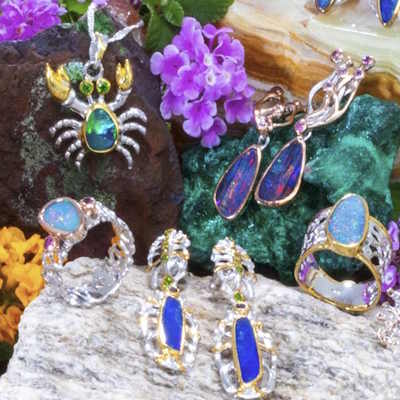
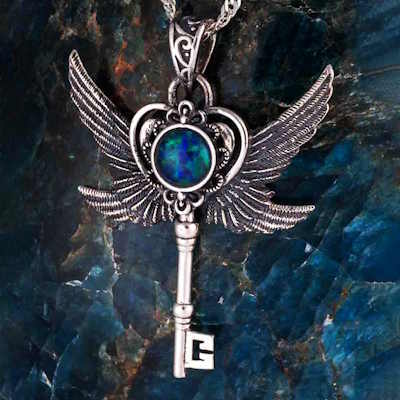
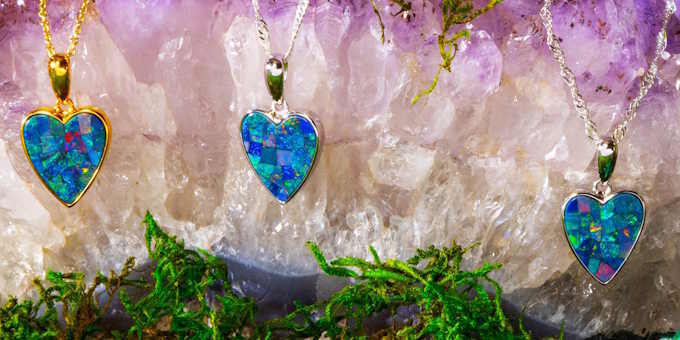
Opal inlay is a sophisticated jewelry technique where precious opal gemstones are carefully embedded into a base material, creating intricate and seamless decorative designs. This meticulous process transforms ordinary jewelry pieces into extraordinary works of art, allowing jewelers to integrate the mesmerizing play of color and light that opals are renowned for.
Contrary to historical misconceptions, opals are not harbingers of bad luck. In fact, historical superstitions about opals have been thoroughly debunked by gemstone experts and collectors worldwide. These myths originated from outdated cultural narratives and have no scientific basis. Opals are actually considered symbols of creativity, hope, and emotional expression in many modern cultures.
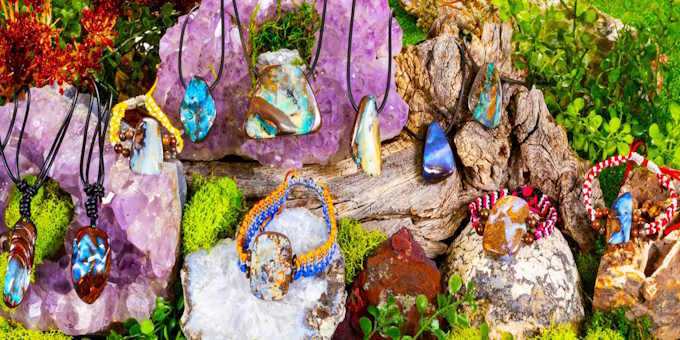
The opal inlay process requires exceptional skill and precision. Jewelers carefully select opal fragments that showcase the most vibrant color patterns, then meticulously cut and position these stones into metal, wood, or other base materials. Precision is critical - even a slight misalignment can compromise the aesthetic and structural integrity of the final piece. This technique allows designers to create intricate patterns, incorporate unique color transitions, and develop jewelry that tells a visual story through the opal’s natural beauty.
Key characteristics of exceptional opal inlay include:
- Seamless stone integration
- Precise stone cutting and placement
- Harmonious color transitions
- Durability of the final design
- Preservation of the opal’s natural optical properties
By understanding opal inlay, jewelry enthusiasts can appreciate the extraordinary craftsmanship behind these stunning pieces and dispel long-standing myths about these remarkable gemstones.
Types of Opal Used in Inlay Jewelry
Jewelry designers leverage multiple opal varieties when creating intricate inlay designs, each offering unique aesthetic characteristics. Different types of opal provide distinctive color patterns, translucency, and visual complexity that make inlay work truly remarkable.
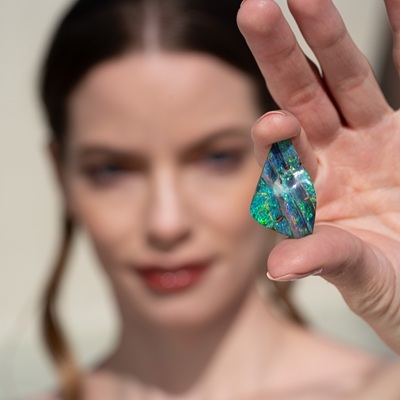
The most popular opals for inlay jewelry include Australian Opals, which are renowned for their exceptional color play and diversity. Lightning Ridge black opals, Crystal opals from Coober Pedy, and White opals from Queensland represent premium choices for sophisticated inlay work. These varieties offer stunning color ranges from vibrant blues and greens to warm oranges and reds, allowing designers extraordinary creative flexibility.
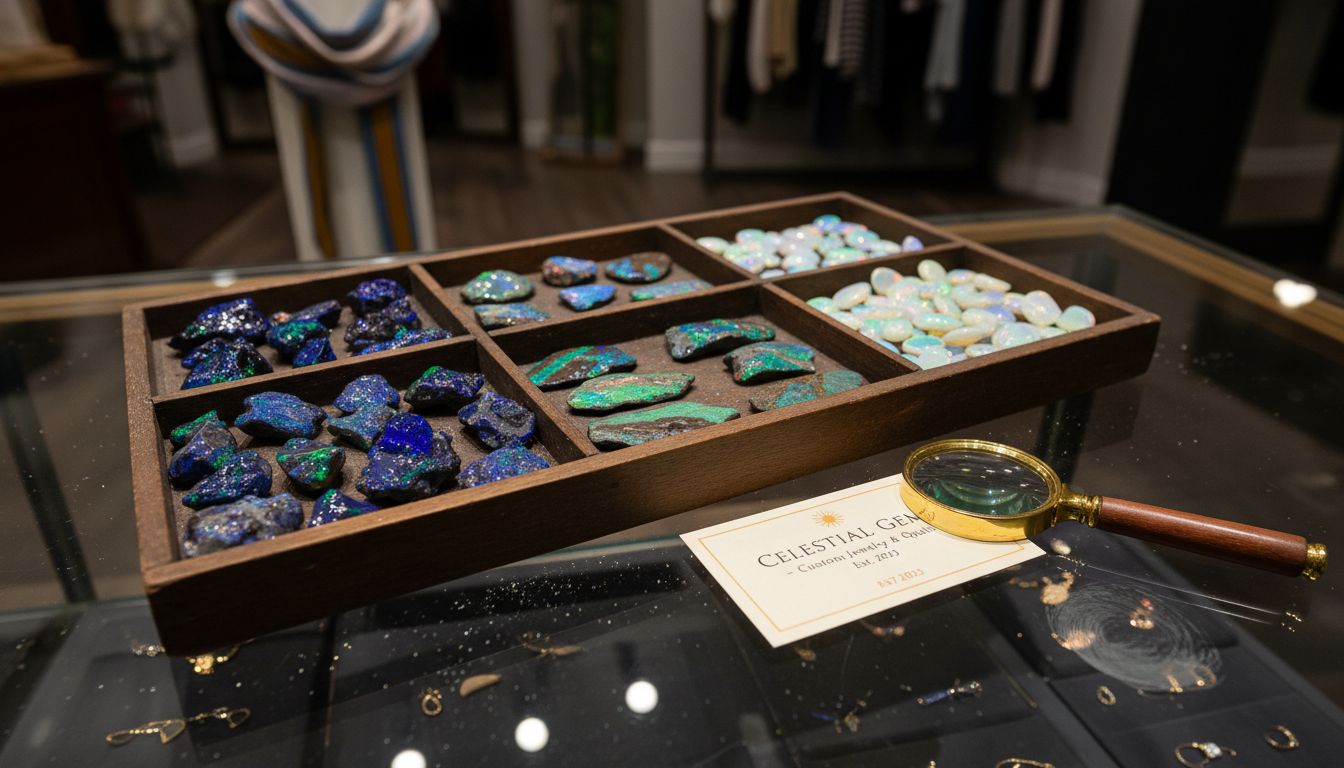
Other notable opal types used in inlay techniques encompass Mexican fire opals, Ethiopian opals, and Brazilian opals. Each type brings unique optical properties to jewelry design. Mexican fire opals, characterized by their intense orange and red hues, create dramatic visual statements when skillfully integrated into metal or wood bases. Ethiopian opals frequently showcase exceptional transparency and multicolor patterns, making them ideal for complex, layered inlay compositions.
Key considerations when selecting opals for inlay work include:
- Color intensity and pattern
- Stone durability
- Optical characteristics
- Size and cut precision
- Complementarity with base materials
By understanding the nuanced qualities of different opal varieties, jewelry designers can create truly exceptional pieces that showcase the gemstone’s natural beauty through masterful inlay techniques.
How Opal Inlay Jewelry Is Crafted
Lab-grown crushed opal materials have revolutionized the precision and consistency of opal inlay jewelry crafting. This intricate process demands exceptional skill, transforming raw gemstone materials into breathtaking artistic expressions that showcase the mesmerizing beauty of opals.
The crafting process begins with meticulous stone selection and preparation. Skilled artisans carefully examine each opal fragment, evaluating its color intensity, transparency, and unique pattern. Precision cutting is paramount - jewelers use specialized tools to slice, shape, and trim opal pieces that will seamlessly integrate into the chosen base material. The goal is to create a flush, smooth surface where the opal appears naturally embedded, almost as if it grew directly within the metal or wood.
Advanced crafting techniques involve multiple stages of preparation and installation. Jewelers first create precise recesses or channels in the base material, ensuring a perfect fit for the opal fragments. Techniques like laser cutting, hand engraving, and computer-assisted design enable extraordinarily complex and intricate inlay patterns. Some craftspeople use traditional methods like hand-setting, while others leverage modern technologies that allow for microscopic precision in stone placement.
Key steps in the opal inlay jewelry crafting process include:
- Initial opal fragment selection
- Detailed stone cutting and shaping
- Base material preparation
- Precise inlay placement
- Securing and finishing techniques
- Final polishing and refinement
By combining traditional craftsmanship with modern technological innovations, jewelry designers create extraordinary pieces that transform opals from simple gemstones into wearable works of art.
Key Benefits of Opal Inlay Over Alternatives
Lab-grown crushed opal materials represent a transformative advancement in jewelry design, offering unprecedented aesthetic and functional advantages over traditional inlay techniques. Unlike conventional gemstone settings, opal inlay provides a seamless, integrated approach that elevates the entire visual and structural composition of fine jewelry pieces.
The primary advantage of opal inlay lies in its extraordinary visual dynamics. While traditional stone settings create distinct separations between the gem and metal, inlay techniques allow opals to blend organically with the base material. This integration results in a more fluid, sophisticated design that catches light differently, creating mesmerizing color transitions and depth that traditional prong or bezel settings cannot achieve. The play-of-color becomes more pronounced, with the opal seemingly emerging naturally from the jewelry’s structure.
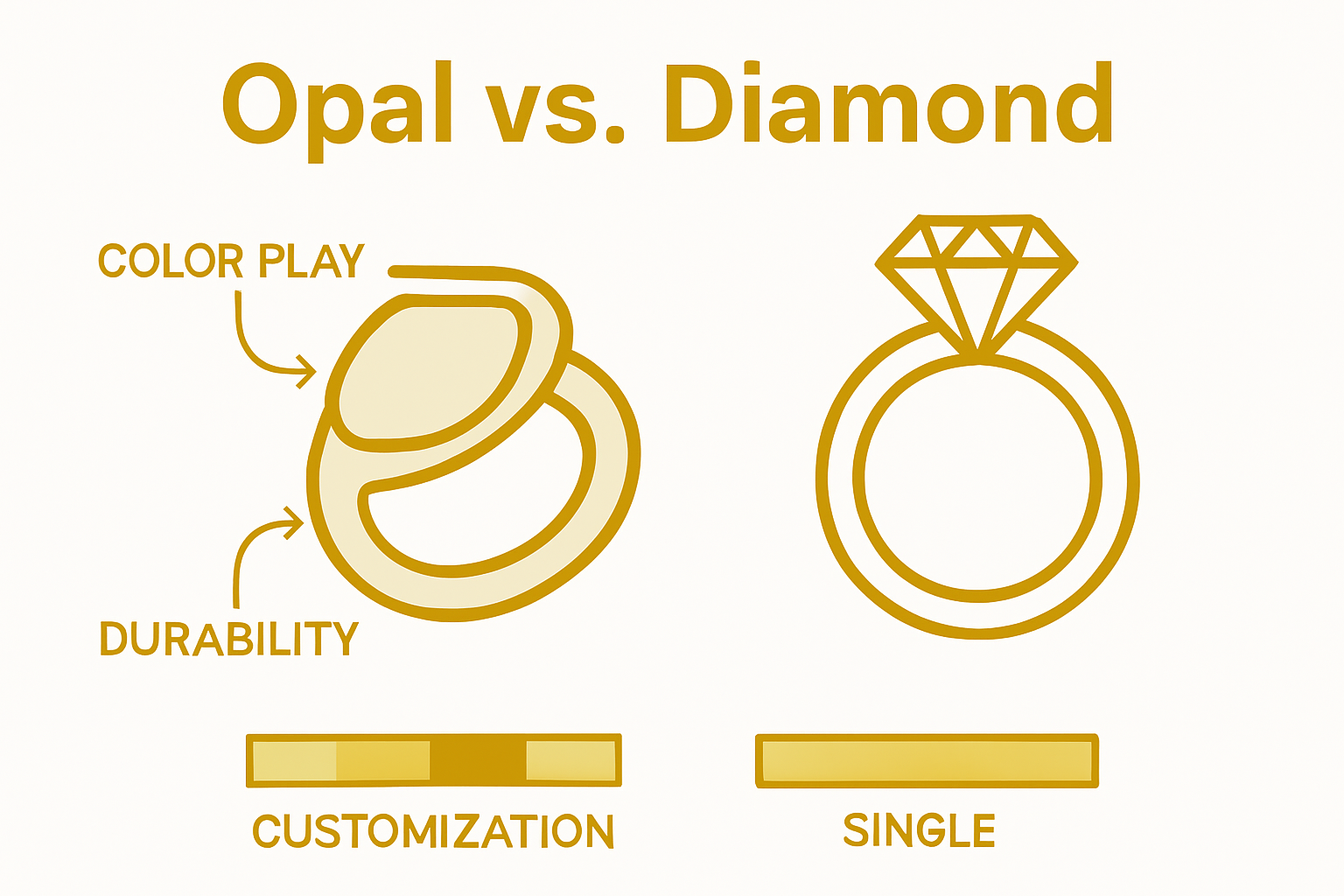
Functionality sets opal inlay apart from alternative approaches. Conventional gemstone settings often leave stones vulnerable to impact and potential dislodging, whereas precise inlay techniques provide superior protection. The flush mounting minimizes potential snagging, reduces wear on the stone’s edges, and creates a more durable piece of jewelry. Advanced techniques like computer-assisted design and laser cutting enable jewelers to create microscopic tolerances that ensure the opal is securely yet elegantly positioned within the base material.
Key comparative advantages of opal inlay include:
- Superior aesthetic integration
- Enhanced durability
- Reduced risk of stone damage
- More complex design possibilities
- Smoother overall surface
- Increased design flexibility
By choosing opal inlay, jewelry enthusiasts and designers unlock a world of creative potential that transcends traditional gemstone setting methods, transforming opals from simple decorative elements into true artistic expressions.
Risks, Costs, and Proper Care of Opal Inlay
Careful handling of opal inlay jewelry requires understanding its unique vulnerability and implementing strategic protective measures. While these exquisite pieces represent significant artistic and monetary investment, their delicate nature demands specialized care to preserve their exceptional beauty and structural integrity.
Understanding the inherent material risks is crucial for responsible ownership. Opals possess remarkable optical properties but remain relatively soft compared to harder gemstones like diamonds. Thermal shock and physical impact pose substantial risks that can compromise the stone’s structural composition. Temperature extremes, sudden mechanical pressure, and exposure to harsh chemicals can cause microscopic fractures, diminish color play, or potentially dislodge the inlay from its carefully crafted setting.
Cost considerations for opal inlay jewelry involve both initial investment and long-term maintenance. High-quality inlay pieces range from several hundred to several thousand dollars, depending on opal quality, craftsmanship complexity, and base material. The intricate installation process and precision required significantly influence pricing. Professional cleaning, occasional professional inspection, and careful personal maintenance become essential ongoing investments to protect the piece’s value and aesthetic appeal.
Key protective strategies include:
- Avoid direct sunlight exposure
- Store in padded, temperature-controlled environments
- Use soft, lint-free cloths for cleaning
- Remove jewelry before physical activities
- Keep away from household chemicals
- Limit exposure to extreme temperatures
- Schedule periodic professional inspections
By understanding and implementing these comprehensive care techniques, opal inlay jewelry owners can ensure their precious pieces remain vibrant, structurally sound, and stunning for generations.
Discover the Timeless Elegance of Opal Inlay Jewelry with Australian Opal Direct
If you are captivated by the artistry of opal inlay and its ability to transform fine jewelry into breathtaking masterpieces this is your opportunity to own authentic, ethically sourced Australian opal pieces crafted with precision. The article highlights the challenges of selecting vibrant opals and the meticulous process needed to seamlessly integrate them into jewelry. At Australian Opal Direct you gain access to expertly mined opals from renowned regions like Lightning Ridge and Coober Pedy where the play-of-color and durability meet rigorous craftsmanship standards.

Explore our curated collection of gold and silver custom-designed jewelry that showcases the exquisite beauty of Australian opals through advanced inlay techniques. Act now to enjoy exclusive benefits including free shipping, 90-day warranties, and complimentary insurance that protect your investment and ensure your new treasure shines for a lifetime. Begin your journey to owning a unique opal inlay piece today by visiting Australian Opal Direct and discover the stories and heritage behind every gem in our Limited Edition Opals. Elevate your collection with jewelry that blends natural wonder with expert craftsmanship.
Frequently Asked Questions
What is opal inlay jewelry?
Opal inlay jewelry is a specialized technique where precious opal gemstones are embedded into a base material, creating intricate designs that showcase the opal’s unique play of color and light.
What types of opals are commonly used in inlay jewelry?
Common types of opals used in inlay jewelry include Australian opals such as Lightning Ridge black opals, Crystal opals, and White opals, along with Mexican fire opals, Ethiopian opals, and Brazilian opals, each offering unique color patterns and optical properties.
How is opal inlay jewelry crafted?
The crafting process involves selecting opal fragments, precise cutting and shaping, preparing the base material, and carefully placing the opals in channels to create a seamless, integrated finish that highlights the opal’s natural beauty.
What are the benefits of choosing opal inlay over traditional gemstone settings?
Opal inlay provides superior aesthetic integration, enhanced durability, a reduced risk of stone damage, more complex design possibilities, and a smoother overall surface compared to traditional gemstone settings.