Freeform opal: guide to unique gemstone beauty and setting
Posted by AOD on 5th May 2026
Freeform opal: guide to unique gemstone beauty and setting
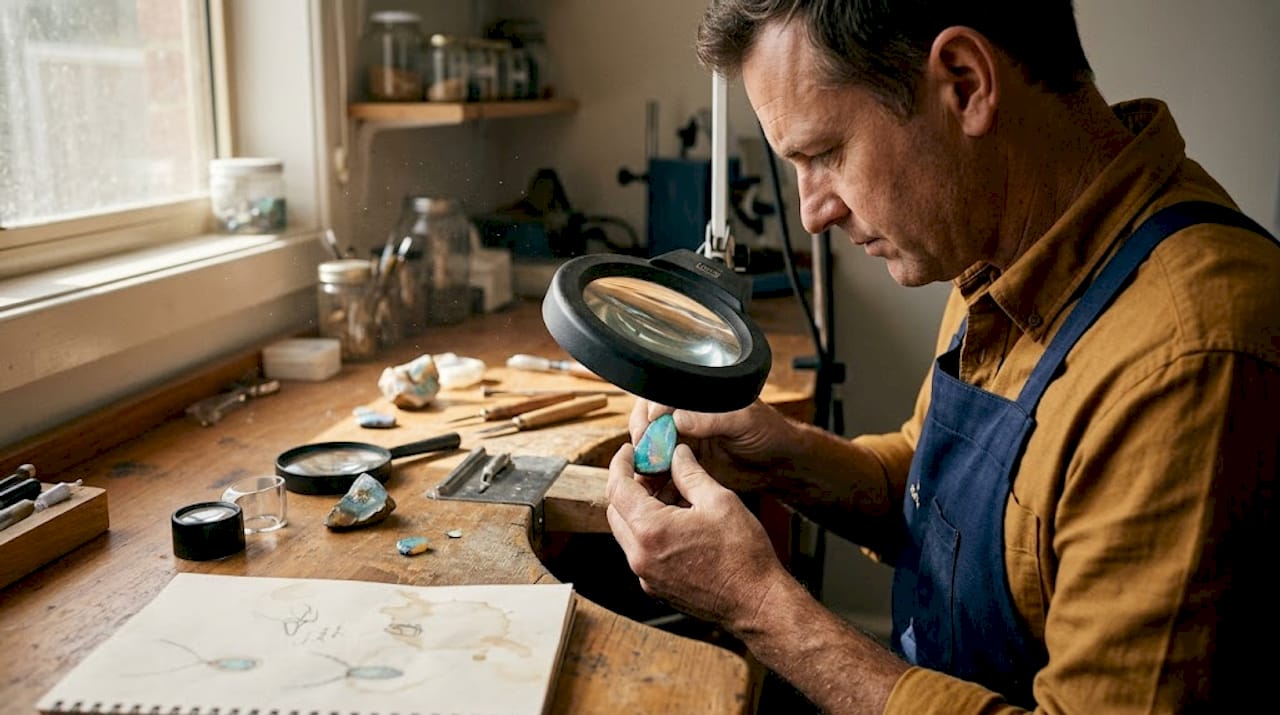
TL;DR:
- Freeform opals are uniquely shaped gemstones that preserve their natural, irregular outlines to maximize vivid color play and individual character. They often require custom settings due to their irregular shapes and are valued for their originality and geological storytelling. Skilled collaboration between collector, jeweler, and stone enhances the creation of one-of-a-kind, heirloom-quality jewelry pieces.
Most gemstone buyers arrive at the world of opals expecting neat, predictable shapes. Rounds, ovals, cabochons cut to standard dimensions. Freeform opals shatter that expectation entirely, offering outlines as singular as a fingerprint and color play that shifts with every degree of light. These stones are not a compromise or a byproduct of difficult rough. They are a deliberate choice, born from a cutter’s desire to honor what the earth created rather than force it into a familiar mold. This guide explores what freeform opals truly are, how they differ from conventional cuts, and what collectors and jewelers need to know before working with them.
Table of Contents
- What is a freeform opal?
- Freeform opal vs traditional opal shapes
- Designing jewelry with freeform opals
- Selecting the best freeform opal: collector’s tips
- What most collectors miss about freeform opals
- Discover custom freeform opals and expert guidance
- Frequently asked questions
Key Takeaways
| Point | Details |
|---|---|
| Definition of freeform opal | Freeform opal is a gemstone cut to highlight its natural color and shape, resulting in a one-of-a-kind outline. |
| Why shapes matter | Choosing freeform offers more color and beauty but requires special jewelry techniques. |
| Setting challenges | Irregular shapes can demand custom bezels and expert handling for secure, attractive jewelry. |
| Selection tips | Examine color, clarity, and uniqueness, and consult skilled jewelers when buying freeform opal. |
| Expert advice | Value and usability are maximized when you balance beauty with practical jewelry design considerations. |
What is a freeform opal?
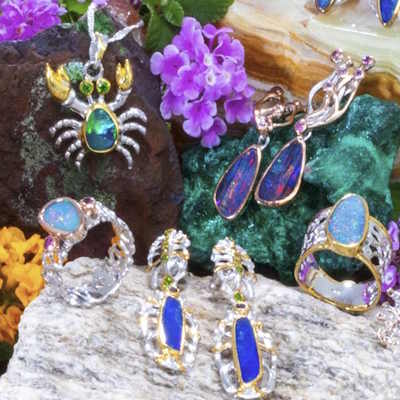
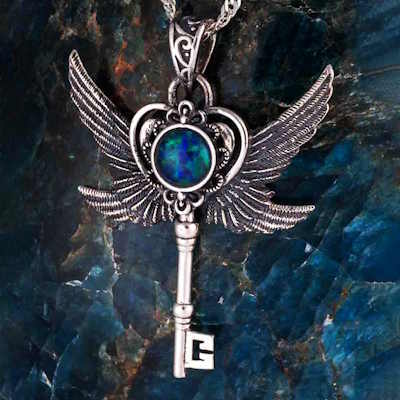
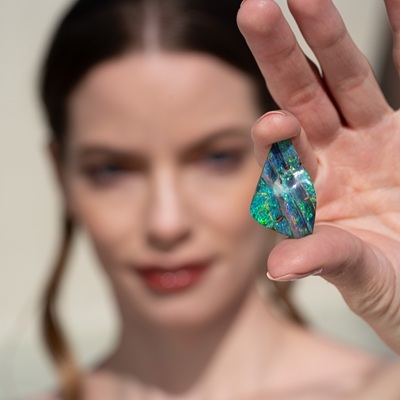
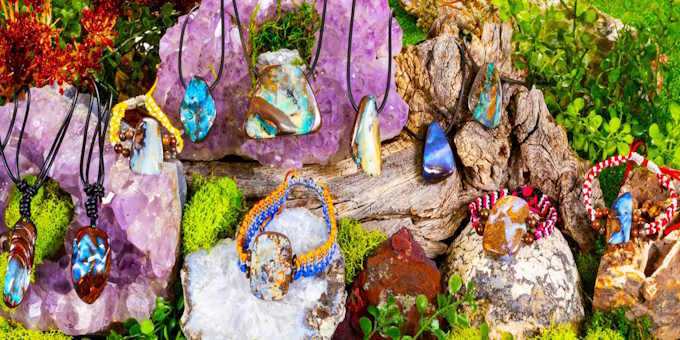
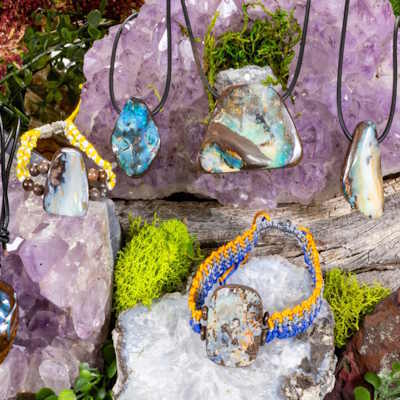
A freeform opal is a gemstone shaped in an organic, irregular form rather than being cut to a standardized template like a round, oval, or teardrop. The outline may curve asymmetrically, taper into gentle points, or spread into broad, sweeping wings of color. No two freeform opals share exactly the same silhouette, and that irreproducible quality is precisely what collectors prize.
Gem cutters choose the freeform approach when the opal rough itself demands it. Australian opals from regions like Lightning Ridge, Coober Pedy, and Queensland form in ancient seabeds over millions of years, with color patches, veins, and patterns distributed unevenly through the stone. Forcing such rough into a rigid oval or round shape would sacrifice the most vivid fire. Instead, an experienced cutter traces the color, preserving every flash of red, green, and violet while removing only what undermines the stone’s brilliance.
The result is a gem that carries the ghost of its geological origin. You can sometimes read the contours of the earth in the outline of the stone.
Key characteristics that define freeform opals include:
- Irregular silhouette that reflects the natural rough rather than a geometric template
- Maximized play-of-color, with the cutter following vivid color patches rather than symmetry
- Variable carat weight, often heavier than a same-size standard cut because less material is removed
- Unique identity, making every stone a one-of-a-kind collector’s piece
- Special setting requirements, since most standard jewelry mounts are not designed for irregular girdles
“Freeform shape is mainly about maximizing the stone’s visual potential while preserving weight and color placement; this creates stones with irregular edges and corners that often require special setting strategies.”
Understanding the motivations behind freeform cutting helps collectors appreciate why these stones can carry premium prices. When you explore opal types for fine jewelry, freeform cuts appear as some of the most expressive choices available, sitting apart from commercial shapes in both rarity and individuality.
Freeform opal vs traditional opal shapes
Standard opal shapes, including the oval, round, cushion, and classic cabochon, exist primarily for commercial predictability. Jewelers can order standard-size settings from catalogs, and matching a stone to a premade mount becomes straightforward. These shapes are efficient, interchangeable, and consistent. That consistency, however, comes at a cost to the stone itself.
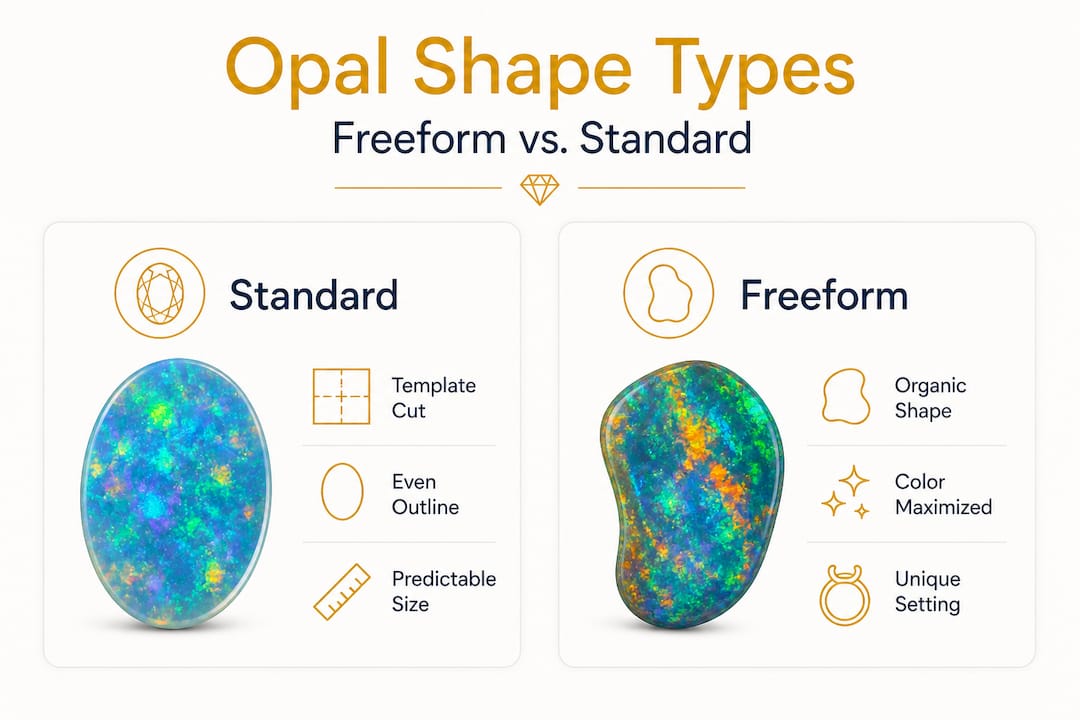
When a cutter shapes an opal into a perfect oval, material is removed based on the template, not the color map. Vivid pockets of play-of-color may be polished away. The resulting stone fits a standard bezel perfectly, but it may have lost half its fire to reach that symmetry. Freeform cuts reverse this priority, placing the stone’s natural beauty above geometric conformity.
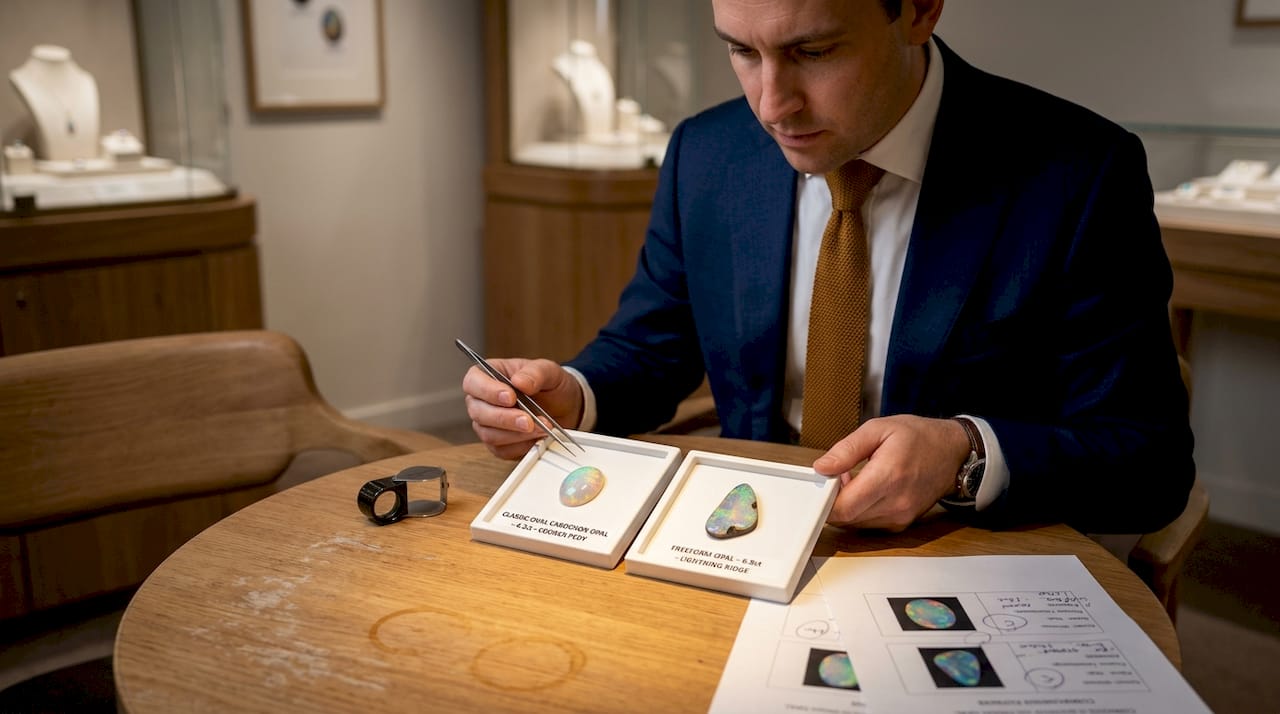
| Feature | Standard shapes | Freeform shapes |
|---|---|---|
| Outline | Predetermined template | Organic, irregular |
| Color preservation | Potentially sacrificed for symmetry | Maximized |
| Carat weight | Lower relative to rough size | Higher relative to rough size |
| Setting compatibility | Fits standard mounts easily | Requires custom or specialty settings |
| Visual uniqueness | Consistent, repeatable | Singular, one-of-a-kind |
| Market availability | Widely available | Rarer, more collector-driven |
| Design flexibility | Limited to template dimensions | Unlimited, stone-driven |
Understanding the opal jewelry design process reveals how these differences ripple through every stage of creation, from rough selection through final polish.
Advantages of freeform opals:
- Preserve more of the stone’s natural fire and pattern
- Higher carat weight from the same rough
- Truly unique appearance with no two stones alike
- Often more dramatic visual impact per carat
Advantages of standard shapes:
- Easier to source matching settings
- Predictable sizing for production jewelry
- Simpler to replace if a stone is damaged
- Lower design and setting costs
Note that irregular freeform girdles may include corners or points that require special strategies for settings, a consideration that affects both design cost and final appearance. For serious collectors, the richness gained almost always outweighs the added complexity.
Designing jewelry with freeform opals
Designing jewelry around a freeform opal demands a fundamentally different creative mindset. Instead of selecting a setting and then finding a stone to fill it, the designer must study the stone first and build the jewelry outward from its unique form. This stone-first approach is one of the most exciting aspects of working with freeform pieces, and it is also one of the most technically demanding.
Standard prong settings, designed for round or oval stones, rarely suit freeform shapes. A prong placed at a sharp corner of the opal may create a stress point that risks cracking the stone, particularly in opals, which rate between 5.5 and 6.5 on the Mohs hardness scale and require gentle handling. Bezel settings, in which a thin metal collar wraps around the stone’s perimeter, are often preferred, but they must be custom fabricated for each individual stone.
| Setting type | Freeform suitability | Key consideration |
|---|---|---|
| Custom bezel | Excellent | Must match stone outline precisely |
| Partial bezel | Good | Leaves some edge exposed; reduces metal use |
| Tension setting | Not recommended | Insufficient support for irregular edges |
| Standard prong | Poor | Prong placement difficult on irregular outlines |
| Channel setting | Not applicable | Designed for uniform stone rows |
| Flush/rub-over | Excellent | Works well with gently curved freeform outlines |
Jewelers working with freeform opals also face the challenge of pointed corners. A corner or unexpected angle in the stone’s girdle can become a vulnerability during setting. Irregular girdle edges may need slight adjustment before the setting process begins, and experienced bench jewelers understand how to address this without compromising the stone’s weight or color.
Pro Tip: Ask your jeweler to lightly round any pointed corners on the girdle before setting. This small step reduces the risk of chipping under bezel pressure and creates a cleaner, more elegant metal-to-stone transition without visibly reducing the stone’s size.
Balancing carat weight retention against practical setting feasibility is one of the most nuanced conversations in freeform opal jewelry. A stone might technically weigh more with its full, sharp outline intact, but a skilled designer will recognize when a fractional adjustment serves the piece’s longevity and visual harmony. Understanding both the jewelry design process and the specific demands of crafting opal rings helps collectors appreciate why custom work commands the investment it does.
Selecting the best freeform opal: collector’s tips
Buying a freeform opal is not like buying a diamond solitaire where standardized grading charts guide every decision. Freeform opals resist simple categorization, which is part of their magic and part of the challenge. The most informed collectors approach each stone with fresh eyes, guided by a handful of core principles rather than a rigid checklist.
The primary value drivers in a freeform opal include:
-
Play-of-color intensity and range. Look for stones that flash multiple spectral colors across the surface, particularly strong reds and oranges, which are the rarest and most coveted in Australian opals. Hold the stone under multiple light sources and observe how the colors shift.
-
Pattern quality and coverage. Patterns like rolling flash, harlequin, and pinfire each carry different aesthetic and market values. Broad color coverage across the stone’s surface is generally more desirable than isolated color patches surrounded by dead or milky base material.
-
Clarity and transparency of base. Crystal and semi-crystal freeform opals allow light to pass through the body, creating depth and luminosity. Boulder opals display color against an ironstone matrix, which creates its own dramatic contrast. Either can be extraordinary; the quality lies in the execution.
-
Body color and tone. Dark body opals, particularly black opals from Lightning Ridge, show color play most vividly. Lighter base tones, such as white or crystal, offer a softer fire. Neither is inferior; they simply suit different preferences and settings.
-
Carat weight relative to visual impact. A heavier freeform stone is not automatically more valuable. A compact stone with blazing, even color across its entire surface will outshine a larger stone with patchy or dull coverage.
-
Shape integrity. Examine the freeform outline for cracks, crazing (fine surface fractures that can indicate instability), or unusually thin edges. Rounded pointed corners on the girdle are a sign of a thoughtfully prepared stone, not a flaw.
-
Setting potential. Consider how the stone’s shape will translate into wearable jewelry. A beautiful but impossibly complex outline may limit your design options significantly.
Pro Tip: When considering custom opal jewelry design, always bring your freeform opal to a jeweler experienced specifically with opals before finalizing a design. An opal-specialist jeweler will assess the girdle’s settability and advise on the most secure and visually balanced approach, protecting both the stone and your investment.
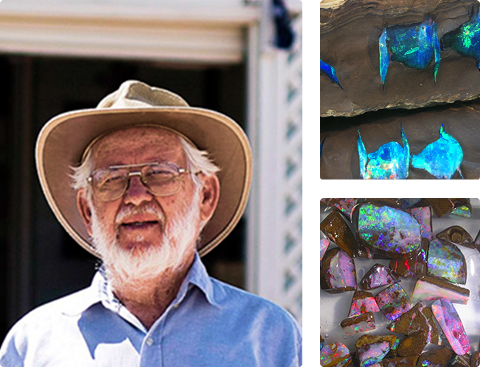
Working with a retailer or source that maintains direct relationships with Australian miners adds another layer of assurance. You gain access to provenance information, accurate descriptions of the rough’s origin, and expertise built over years of handling stones from specific fields. That knowledge is genuinely irreplaceable when navigating the nuanced world of freeform opals.
What most collectors miss about freeform opals
Here is something the standard buying guides rarely say plainly: maximizing carat weight is not the same as maximizing value, especially in rare opals with extraordinary color.
The instinct to preserve every gram of stone is understandable. Carat weight is measurable, tangible, and easy to compare. But a freeform opal with a complex, jagged outline that adds two carats of dull, colorless material at its edges is not more valuable than a cleanly shaped stone with two fewer carats and uninterrupted brilliance across every millimeter of its surface. The market knows this, and experienced collectors know it too.
There is also a tendency to underestimate the true cost of setting an unusual freeform stone. A custom bezel for a genuinely irregular shape is not a quick workshop task. It demands skilled fabrication time, precise metal work, and often several rounds of adjustment to achieve a secure, beautiful fit. Collectors who budget only for the stone and then discover the setting doubles their total investment are rarely pleased. Building setting costs into your acquisition decision from the beginning leads to far better outcomes.
Perhaps the most important insight is this: a truly exceptional freeform opal deserves a truly exceptional creative partnership. The best pieces in any collection were not made by a collector handing a stone to a jeweler and stepping away. They emerged from genuine collaboration, a dialogue between the collector’s vision, the jeweler’s skill, and the stone’s own inherent personality.
“The stone itself is always the first designer. A skilled jeweler’s role is to listen to what the opal is already saying and build around that voice rather than over it.”
Exploring the custom opal jewelry workflow reveals just how much intentional design thinking goes into bringing an extraordinary freeform piece to life. The collectors who embrace this process consistently end up with pieces that transcend ordinary jewelry and become genuine heirlooms.
Discover custom freeform opals and expert guidance
At Australian Opal Direct, the journey from rough to finished freeform opal piece is one we understand deeply and care about profoundly. Every stone in our collection is ethically sourced and earth-mined from Australia’s most celebrated opal fields, including Lightning Ridge, Coober Pedy, and Queensland, where the world’s finest opals have been drawn from the ancient earth for over a century.
Our direct-miner relationships mean you receive genuine provenance, honest descriptions, and competitive pricing untouched by unnecessary middlemen. Whether you are searching for a freeform opal to commission a custom piece or seeking guidance on selecting a stone that suits a specific vision, our team brings specialist knowledge to every conversation. Browse our curated collections and custom jewelry options at Australian Opal Direct, where each stone arrives with complimentary insurance, free shipping, and a 90-day warranty because exceptional opals deserve exceptional care.
Frequently asked questions
Are freeform opals worth more than standard shapes?
Freeform opals can be worth more when they successfully maximize color and weight while displaying rare or dramatic patterns that a standard cut would have diminished or destroyed.
Do freeform opals require special jewelry settings?
Yes. Because irregular girdle edges may include corners or points that cannot fit standard mounts, freeform opals almost always require custom fabricated settings, typically custom bezels, to ensure security and a clean finish.
What should I look for when buying a freeform opal?
Prioritize play-of-color intensity, pattern coverage, and body clarity, then examine the stone’s outline for stability and well-prepared girdle corners, and always consult a jeweler experienced with custom opal settings before purchasing.
Can all opals be cut as freeform?
Most opal rough can be shaped freeform, but the decision depends on the color distribution, the presence of inclusions or crazing, and whether the natural rough outline genuinely serves the stone better than a standard cut would.
Recommended
- Master the Opal Jewelry Design Process Step by Step - Australian Opal Direct
- Opal Jewelry Selection Guide: Choose Your Perfect Gem - Australian Opal Direct
- Opal Gemstone Selection Process: A Step-by-Step Guide - Australian Opal Direct
- How to Craft Opal Rings: Create Luxury Gemstone Jewelry - Australian Opal Direct