Build a Gemstone Collection: The Expert Guide to Australian Opals
Posted by AOD on 17th Apr 2026
Build a Gemstone Collection: The Expert Guide to Australian Opals
TL;DR:
- Authentic Australian opals are best sourced from reputable dealers with documented provenance.
- Understanding regional types and evaluating stones carefully enhances collection value and confidence.
- Patience, documentation, and thoughtful curation are key to building a meaningful and valuable opal collection.
Finding a genuine, ethically sourced Australian opal can feel like searching for light in the dark. The market is flooded with synthetic stones, misleading descriptions, and sellers who obscure provenance. Yet for collectors who know where to look and what to ask, building a meaningful opal collection is one of the most rewarding pursuits in the gemstone world. Australian opals represent over 95% of global supply and hold the honor of being Australia’s national gemstone. This guide walks you through every stage, from foundational knowledge to advanced curation, so your collection grows in both beauty and lasting value.
Table of Contents
- Setting your foundation: Understanding Australian opals
- Tools and preparation: What every collector needs
- Step-by-step: Sourcing, evaluating, and buying opals
- Maximizing collection value: Diversification, care, and benchmarking
- A collector’s truth: Why patience and documentation pay off
- Ready to start? Explore authentic Australian opals
- Frequently asked questions
Key Takeaways
| Point | Details |
|---|---|
| Focus on quality | Start your collection with ethical, high-grade Australian opals for long-term value. |
| Use the right tools | Essential equipment and research help you evaluate and protect your investment. |
| Diversify smartly | Mix different types and origins of opals and document every addition to boost value. |
| Patience pays off | A thoughtfully curated, well-documented collection outshines impulsive buying. |
Setting your foundation: Understanding Australian opals
Every serious collection begins with knowledge, and Australian opals reward the curious collector with remarkable depth. These gems are not a single, uniform stone. They are a family of distinct types, each born from a different corner of the continent, each carrying its own visual character and market significance.
The three primary regions define the opal world:
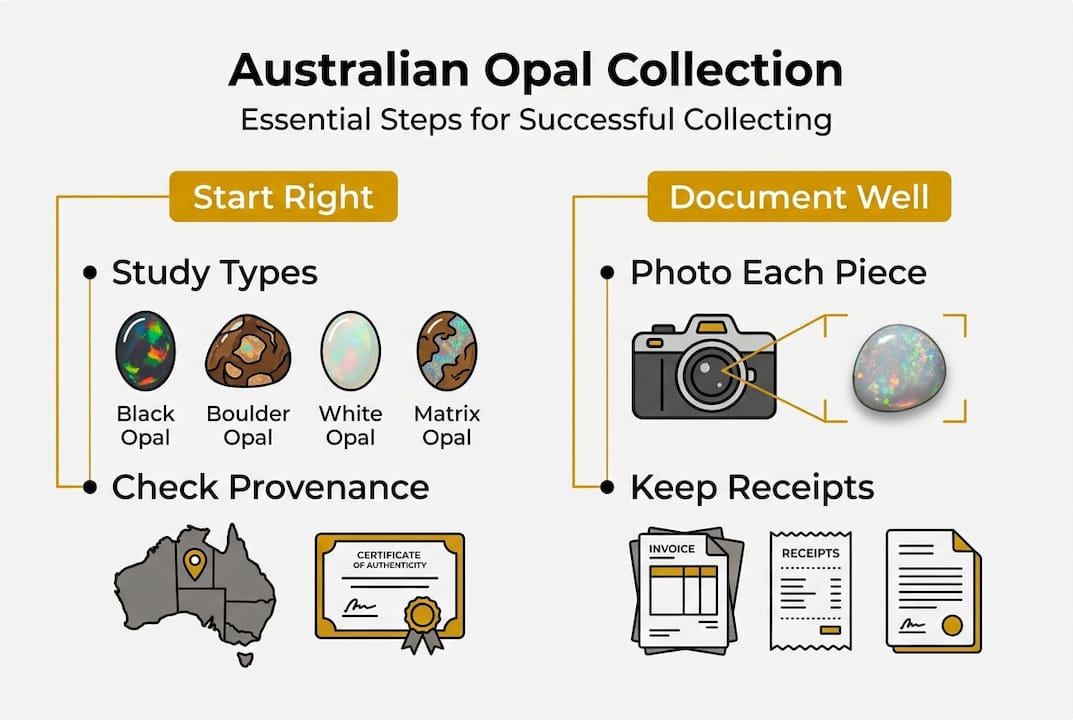
- Lightning Ridge, New South Wales: The spiritual home of black opal, where dark body tones make colors dance and flicker with extraordinary intensity. Black opal is the rarest and most coveted variety.
- Coober Pedy, South Australia: Famous for white and crystal opals, where pale body tones allow a softer, luminous play-of-color to emerge. This region produces the majority of the world’s gem-quality white opal.
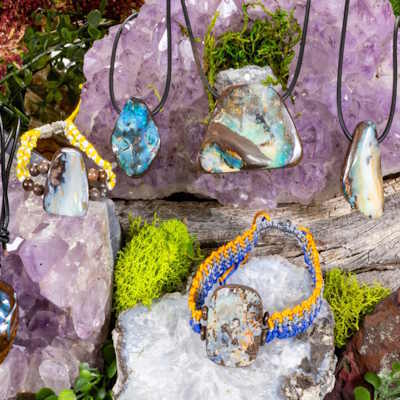
- Queensland: The birthplace of boulder opal, where silica seeps into ironstone host rock, creating dramatic natural canvases that showcase nature’s artistry in its most raw form.
Understanding Australian opal types before you buy is not optional. It is the foundation upon which every smart purchase rests.
| Opal type | Primary region | Body tone | Collector appeal |
|---|---|---|---|
| Black opal | Lightning Ridge | Dark | Highest rarity, premium pricing |
| White/Crystal opal | Coober Pedy | Light/Transparent | Elegant, widely available |
| Boulder opal | Queensland | Mixed/Ironstone | Unique patterns, strong value |
Ethical sourcing matters as much as visual beauty. When you purchase from a dealer with direct-miner relationships, you protect yourself from synthetic substitutes and support responsible mining communities. The value of Australian opals is inseparable from their origin story. A stone with documented provenance carries more than monetary worth. It carries history.
“The Australian Museum’s opal collection serves as a benchmark for quality, representing the finest examples of each type and region.”
Aligning your personal collection with museum collection standards gives you a quality compass. Study what institutions prize. Then pursue those same qualities in miniature.
Tools and preparation: What every collector needs
Understanding opals sets your vision. Now, assemble the right tools and research to move from dream to action. Preparation separates collectors who build meaningful holdings from those who accumulate regrets.
Here is the essential toolkit every collector should have before making a purchase:
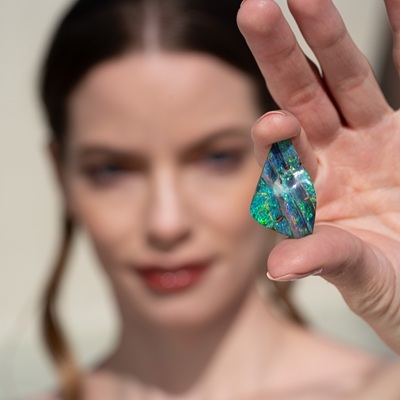
- Natural light source: Opals must be assessed in natural daylight and multiple lighting conditions. Studio lighting can disguise weak play-of-color.
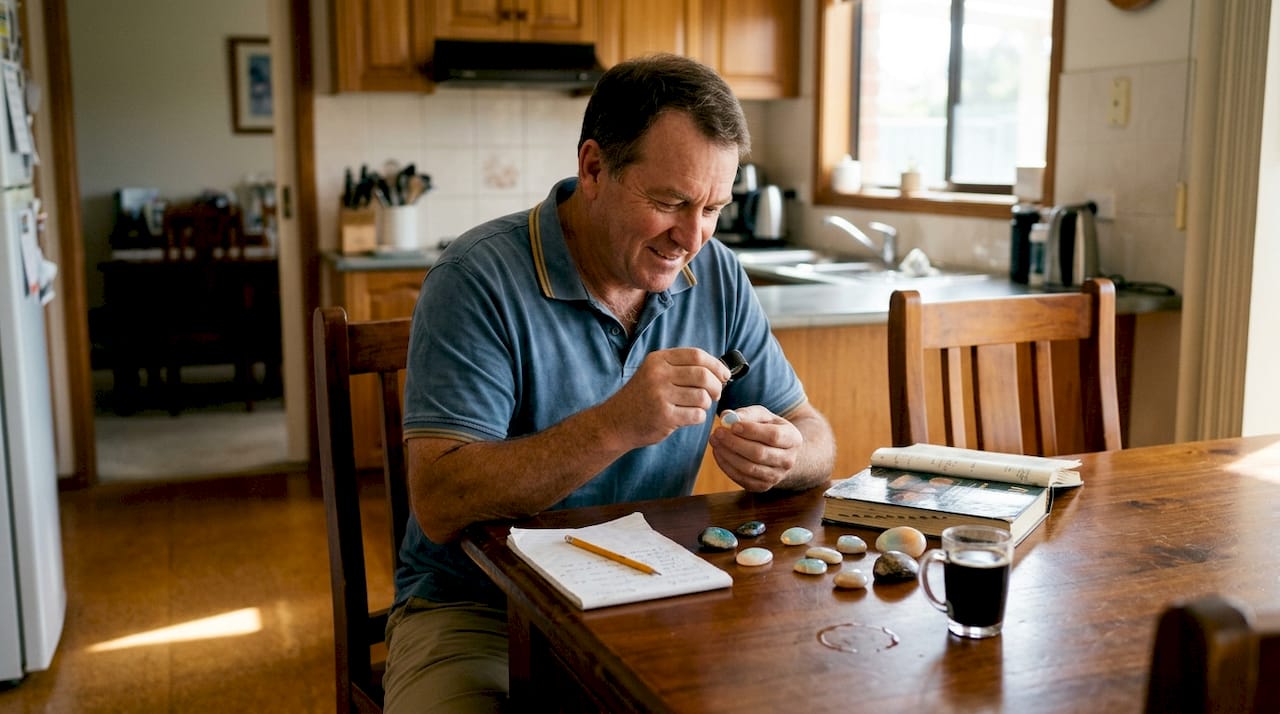
- 10x loupe: A quality jeweler’s loupe reveals surface cracks, crazing, and inclusions invisible to the naked eye.
- Documentation system: A spreadsheet or dedicated app to log purchase date, origin, price, seller, and condition.
- Gemstone evaluation tools: A refractometer helps distinguish natural opals from glass or synthetic imitations.
- Return policy records: Always retain written confirmation of any return or warranty terms before completing a purchase.
The difference between a beginner and an advanced collector is not just budget. It is methodology. A beginner might rely on appearance alone. An experienced collector uses a structured question set for every seller interaction.
| Preparation level | Tools used | Questions asked | Documentation |
|---|---|---|---|
| Beginner | Eyes only | Price, color | Minimal |
| Intermediate | Loupe, lighting | Origin, solid vs. doublet | Basic log |
| Advanced | Full toolkit, video | Crazing, return policy, grading | Full provenance record |
Pro Tip: Before any purchase, request a video of the opal rotating under natural light. A reputable seller will always accommodate this. If they hesitate, treat it as a red flag.
The buying methodology recommended by experts is clear: assess in natural and multiple light sources, ask about origin and whether the stone is solid, and avoid sellers who rely solely on studio photography. Tools like the Smart Chart help you cross-reference valuations so you never overpay.

Learning authentication tips before your first purchase protects you from the most common traps. And understanding opal grading gives you a shared language with reputable dealers, making every negotiation more confident and informed.
Step-by-step: Sourcing, evaluating, and buying opals
Well-equipped and informed, it is time to navigate the actual process of buying, step by actionable step. This is where preparation becomes practice.
- Identify your target type and region. Decide whether you are pursuing black opal from Lightning Ridge, white opal from Coober Pedy, or boulder opal from Queensland. Each requires slightly different evaluation criteria.
- Source from reputable dealers. Prioritize sellers with direct-miner relationships, transparent provenance documentation, and clear return policies. Avoid marketplaces where grading language is vague or pricing seems suspiciously low.
- Request multi-light video. Ask for footage of the opal under natural daylight, incandescent light, and fluorescent light. Colors that vanish under one source may reveal themselves under another.
- Examine for cracks and crazing. Crazing refers to fine surface cracks that develop when an opal loses moisture. A loupe inspection under magnification is essential.
- Confirm solid vs. composite. Doublets and triplets are layered constructions, not solid opals. They have legitimate uses but must be disclosed and priced accordingly.
- Review the return policy in writing. A trustworthy seller offers a clear, documented return window. This is non-negotiable for online purchases.
“Avoid vague grading, studio-only photos, and prices that seem too good. These are the three clearest warning signs in the opal market.”
The step-by-step buying guide at Australian Opal Direct walks you through each of these stages with real examples. For those purchasing remotely, the online buying tips resource addresses the specific risks of digital transactions and how to mitigate them.
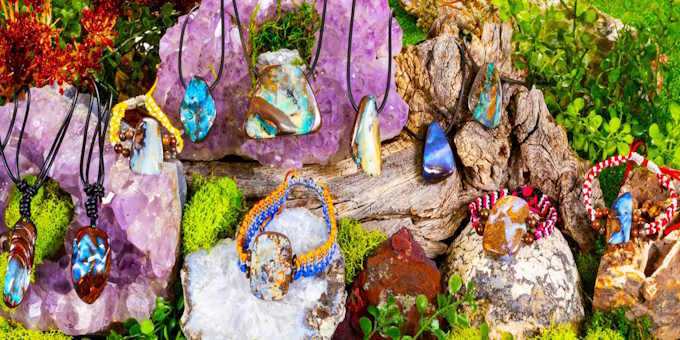
Pro Tip: When handling and evaluating opal beads or loose stones, tilt them at multiple angles. True play-of-color shifts and breathes as the stone moves. Static color that does not shift is a warning sign worth investigating.
Common pitfalls to avoid include purchasing based solely on photographs, accepting verbal provenance claims without documentation, and skipping the return policy review because a stone looks beautiful. Beauty without verification is a gamble, not a collection.
Maximizing collection value: Diversification, care, and benchmarking
Once you have a purchase strategy, unlock long-term value through smart curation, care, and inspiration. A collection that grows thoughtfully outperforms one assembled impulsively, in both monetary and personal significance.
Strategies for diversifying your holdings:
- Diversify by type: Hold examples of black, white, crystal, and boulder opal. Each type responds differently to light, creating visual variety that makes a collection genuinely captivating.
- Diversify by region: Stones from Lightning Ridge, Coober Pedy, and Queensland each carry distinct geological stories. Regional diversity adds depth and educational value.
- Start with bright solids: As the Australian Museum’s collection demonstrates, small, high-brightness solid opals are excellent entry points. They are accessible, documentable, and gain value as provenance is established.
- Add earrings and smaller pieces: These allow you to explore quality at lower price points while building your eye for excellence.
“Documentation is the invisible architecture of a great collection. Without it, even the finest stone is just a pretty rock.”
Storage matters enormously in Australia’s variable climate. Keep opals away from extreme heat and direct sunlight. Store them in padded, sealed containers with a small moisture source, such as a damp cloth in a sealed bag, to prevent crazing in dry conditions.
Document every piece with photographs, purchase receipts, seller information, and any grading certificates. This record becomes the provenance story that future buyers or appraisers will rely on. Explore investing in opals for a deeper look at how documentation directly influences resale value.
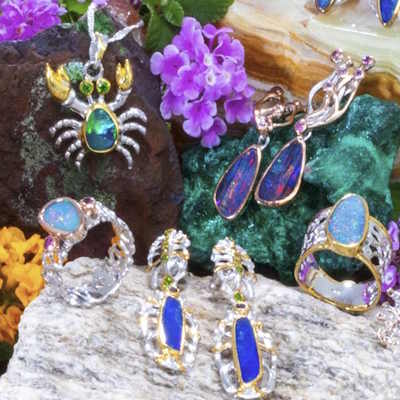
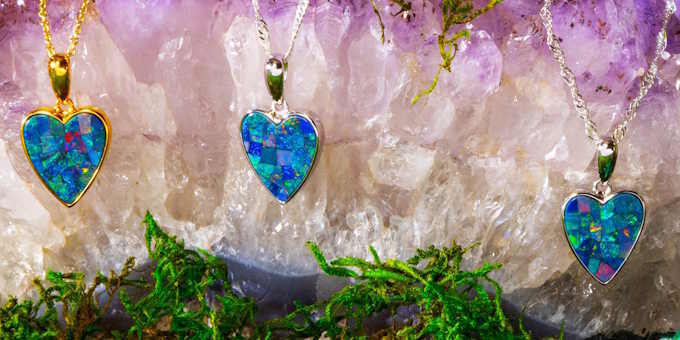
For design inspiration and to understand how stones translate into wearable art, studying finished jewelry alongside loose stones sharpens your aesthetic instincts. The famous Australian opals that have commanded record prices share one trait: impeccable documentation and undeniable visual drama.
A collector’s truth: Why patience and documentation pay off
Here is the perspective that most guides skip. The opal market rewards patience in ways that few other gemstone categories do, and it punishes impulsive buying with equal consistency.
We have seen collectors arrive with significant budgets and leave with underwhelming stones because they prioritized speed over scrutiny. The stones that grow most meaningfully in value, both financially and personally, are those acquired slowly, with intention, after careful research and honest seller relationships are established.
Meticulous logging is not bureaucratic tedium. It is the act of honoring each stone’s journey from the earth to your hands. When you record origin, purchase context, and condition at acquisition, you create a living history. That history becomes the collection’s soul.
Museum collections do not accumulate randomly. They are built through deliberate curation, rigorous documentation, and a refusal to compromise on quality for quantity. Your personal collection deserves the same philosophy. The expert buying perspectives we share consistently point to one truth: the best collections are not the largest. They are the most carefully considered.
Ready to start? Explore authentic Australian opals
You now have the knowledge to collect with confidence, from understanding opal types and regions to evaluating stones and documenting your holdings with the care they deserve.

At Australian Opal Direct, every stone comes with direct-miner provenance, ethical sourcing transparency, and the kind of storytelling that transforms a purchase into a meaningful acquisition. Whether you are beginning with a bright solid or seeking a rare black opal from Lightning Ridge, explore authentic Australian opals through a source that treats every gem as the irreplaceable natural wonder it truly is. Free shipping, complimentary insurance, and a 90-day warranty mean your first step is protected from every angle.
Frequently asked questions
What is the most valuable type of Australian opal for collectors?
Black opal from Lightning Ridge is considered the most valuable due to its rarity and vibrant play-of-color. As the Australian Museum confirms, Lightning Ridge black opals represent the pinnacle of Australian opal production.
How can I ensure the opals I buy are ethically sourced?
Ask sellers for documented provenance and written ethical sourcing statements, and prioritize reputable Australian dealers. The expert buying methodology recommends always asking about origin and avoiding vague grading language.
What are the biggest mistakes beginners make when starting a gemstone collection?
The most common errors are buying based on price alone, skipping research, and failing to document purchases. As museum collection benchmarks show, documentation is what separates a meaningful collection from a random accumulation.
Is it worth collecting smaller opal pieces or only investing in large stones?
Smaller bright solids and quality earrings are excellent entry points that can appreciate significantly when provenance is well documented. Starting small with high-quality pieces is the approach endorsed by both expert collectors and major institutional collections.
Recommended
- Expert Guide to Buying Australian Opals for Collectors - Australian Opal Direct
- Buying Australian Opals Step by Step: Expert Guide for Collectors - Australian Opal Direct
- Opal Jewelry Selection Guide: Choose Your Perfect Gem - Australian Opal Direct
- Opal Gemstone Selection Process: A Step-by-Step Guide - Australian Opal Direct