What Is Value in Opals? Keys for Collectors
Posted by AOD on 19th Jan 2026
What Is Value in Opals? Keys for Collectors
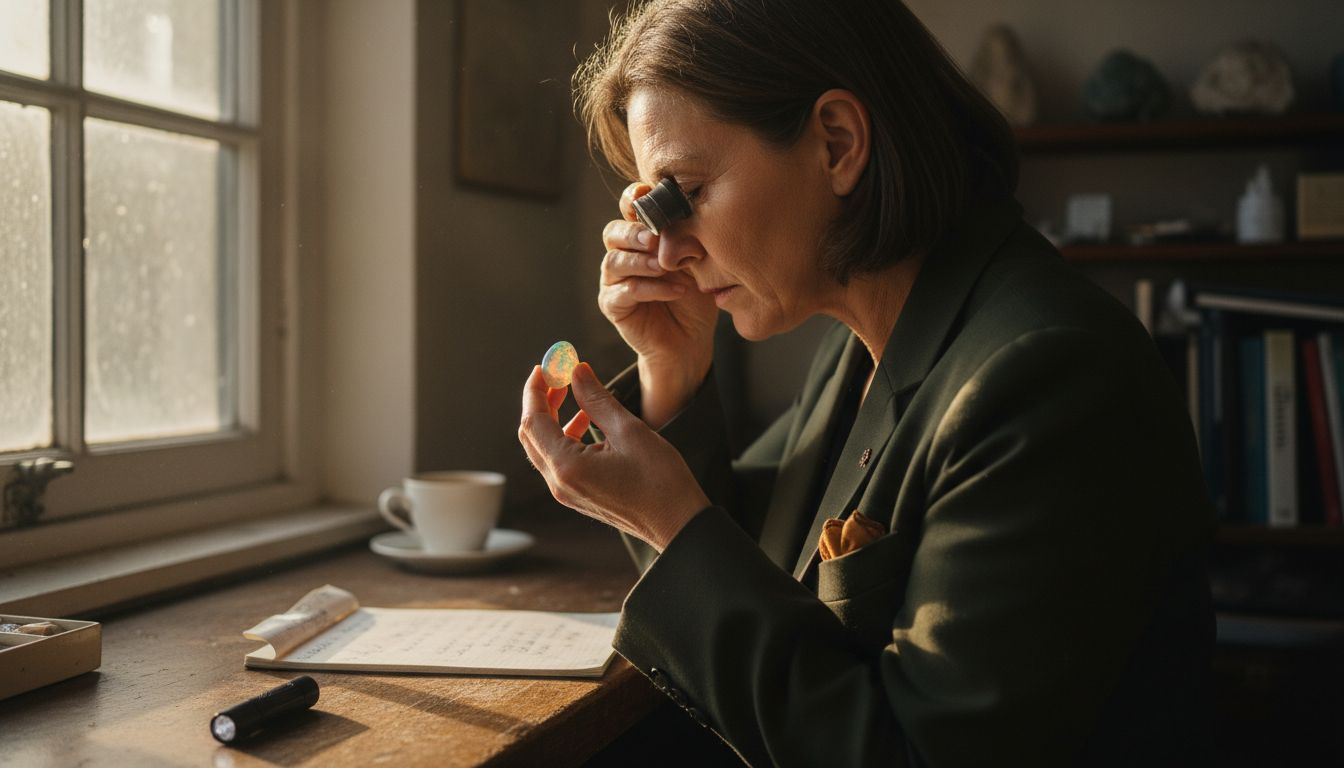
Selecting the right Australian opal is never just a matter of choosing the brightest stone in the case. For collectors passionate about adding pieces of extraordinary beauty and ethical origin to their luxury collections, understanding true opal value is an art. The magic of Australian opals lies in the intricate relationship between color, rarity, and unique geological origins. This guide clarifies the essential qualities and grading details that define premium Australian opals, helping you recognize authentic treasures worth your investment.
Table of Contents
- Defining Value In Australian Opals
- Major Opal Types And Their Impact
- Essential Grading Criteria For Opals
- How Origin Influences Rarity And Price
- Common Pricing Mistakes Collectors Face
Key Takeaways
| Point | Details |
|---|---|
| Opal Value Determinants | Assess opal value based on color play, body tone, transparency, and pattern complexity, rather than size alone. |
| Significance of Origin | Australian opals, particularly from Lightning Ridge and Coober Pedy, command higher values due to their exceptional quality and rarity. |
| Importance of Professional Grading | Always obtain professional certification for opals to verify their quality and ensure accurate valuation. |
| Avoiding Common Pricing Mistakes | Collectors should prioritize color intensity and certification to avoid overpaying and purchasing misrepresented stones. |
Defining Value in Australian Opals
Understanding the value of Australian opals requires more than just assessing their physical characteristics. These extraordinary gemstones represent a complex interplay of geological origins, rarity, color intensity, and craftsmanship that elevates them beyond simple mineral specimens. Opal value emerges from multiple interconnected factors that discerning collectors carefully evaluate.
The primary determinants of an opal’s worth include color play, body tone, transparency, and pattern complexity. Vibrant opals displaying intense multicolor patterns with sharp, well-defined color transitions command significantly higher prices. Collectors specifically prize black opals from Lightning Ridge, which showcase the most dramatic color displays against a dark background. Rare color combinations like vivid blues, greens, and reds dancing across a stone can increase its value exponentially.
Geographic origin plays a crucial role in determining an opal’s market value. Australian opals compared to other global sources demonstrate remarkable differences in quality and pricing. Australian opals, particularly those from renowned regions like Coober Pedy and Lightning Ridge, are considered the global standard for exceptional gemstone quality. Professional gemologists evaluate these stones using intricate grading systems that consider microscopic details invisible to untrained eyes.
Pro tip: When assessing opal value, always request professional certification and examine the stone under multiple light sources to understand its true color potential and authenticity.
Major Opal Types and Their Impact
Australian opals represent a diverse spectrum of geological marvels, each type presenting unique characteristics that dramatically influence their collector value. Opal classification extends far beyond simple color distinctions, encompassing intricate variations in formation, transparency, and mineral composition. Understanding these nuanced differences allows collectors to appreciate the extraordinary complexity behind these mesmerizing gemstones.
The most prestigious categories include black opals, white opals, crystal opals, and boulder opals. Different types of opal demonstrate remarkable variations in visual performance and market desirability. Black opals from Lightning Ridge represent the pinnacle of rarity, featuring intense color play against a dark background. White opals, predominantly from Coober Pedy, offer softer color patterns, while crystal opals showcase exceptional translucency that allows light to penetrate and enhance their internal fire.
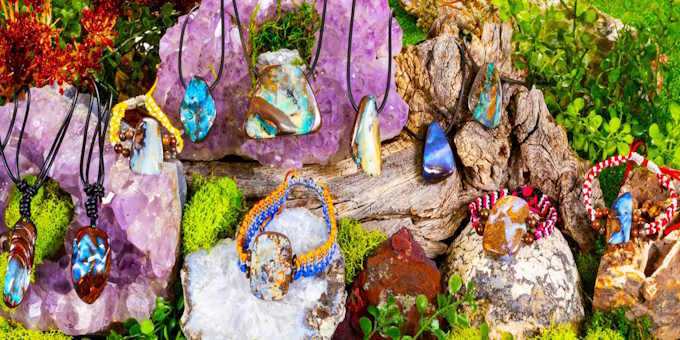
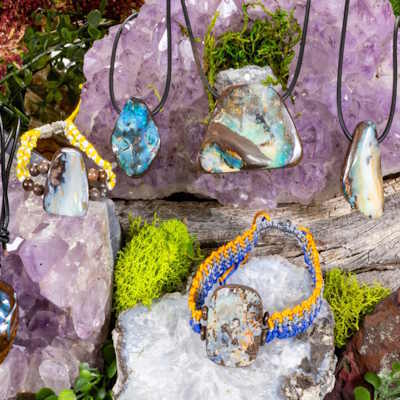
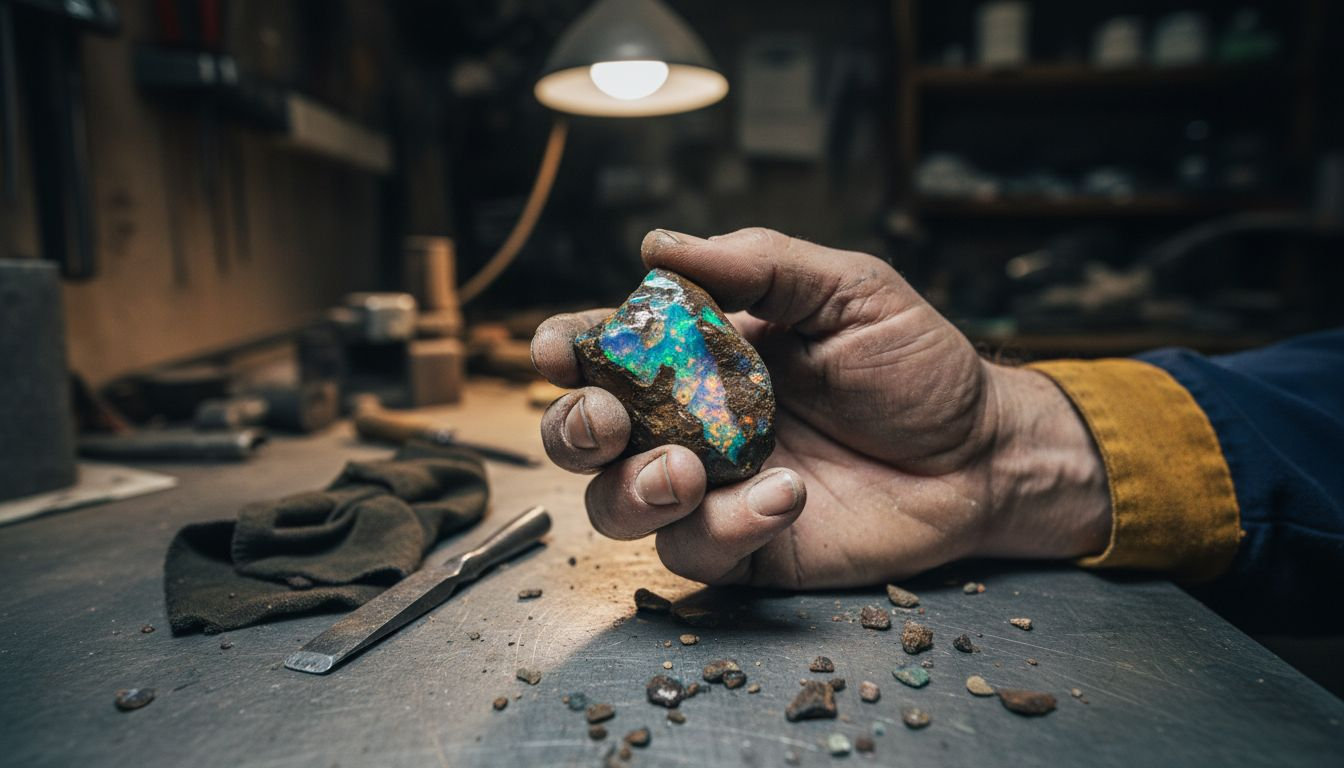
Boulder opals present a unique category, characterized by their natural host rock matrix that becomes an integral part of the stone’s aesthetic. These opals, primarily sourced from Queensland, feature vibrant color patterns embedded within ironstone, creating a distinctive and highly collectible gemstone. The matrix’s earthy tones complement the opal’s internal luminescence, making each specimen a one-of-a-kind geological artwork that commands significant collector interest.
Here is a concise comparison of the most prestigious Australian opal types and their collector appeal:
| Opal Type | Key Region | Unique Characteristic | Collector Appeal |
|---|---|---|---|
| Black Opal | Lightning Ridge | Dark body, vivid color play | Highest rarity, top value |
| White Opal | Coober Pedy | Soft pastel color patterns | Widely available, moderate |
| Crystal Opal | Various | High translucency, bright fire | Excellent light reflection |
| Boulder Opal | Queensland | Color in ironstone matrix | Unique patterns, highly sought |
Pro tip: When evaluating opal types, examine the stone under multiple lighting conditions to fully appreciate its unique color play and inherent characteristics.
Essential Grading Criteria for Opals
Professional opal grading represents a sophisticated process that transforms these extraordinary gemstones from mere minerals into valuable collector’s items. Opal evaluation involves a comprehensive assessment of multiple intricate characteristics that determine the stone’s overall worth and collectibility. The most skilled gemologists understand that grading extends far beyond simple visual inspection, requiring deep geological knowledge and meticulous analytical techniques.
The primary grading criteria encompass four critical dimensions: color, pattern, brightness, and transparency. Opal pricing factors for collectors reveal that color remains the most significant determinant of value. Red represents the rarest and most valuable color, followed by vibrant green and orange hues, with blue and other pastel tones ranking lower in the valuation spectrum. Professional graders evaluate color intensity by examining the stone’s ability to display multi-directional color shifts and the richness of its internal fire.
Unique patterns dramatically influence an opal’s market value, with certain configurations commanding premium prices. The legendary Harlequin pattern, characterized by large, geometric color blocks, represents the pinnacle of collectibility. Other sought-after patterns include ribbon, flash, and pinfire configurations, each presenting distinctive visual characteristics that capture a collector’s imagination. Transparency and body tone further refine the grading process, with crystal opals and black opals typically achieving higher valuations due to their exceptional light interaction and depth of color.
Pro tip: Always request a professional certification that details the specific grading characteristics when purchasing high-value opals to ensure authenticity and accurate valuation.
How Origin Influences Rarity and Price
The geological birthplace of an opal represents far more than a simple geographic coordinate—it is the fundamental narrative that defines the gemstone’s entire identity and market value. Opal origin transforms these remarkable stones from ordinary minerals into extraordinary collector’s treasures, with specific Australian regions creating a profound differentiation in rarity, quality, and ultimately, price. Each mining region contributes unique geological conditions that imprint distinctive characteristics into the stones they produce.
Opals from Australia compared to other global sources demonstrate why Australian localities are considered the global standard for exceptional gemstone quality. Lightning Ridge in New South Wales stands as the most prestigious origin, renowned for producing black opals with unparalleled color intensity and depth. These black opals command astronomical prices due to their extraordinary rarity, with only a tiny percentage displaying the most sought-after color combinations and patterns. Coober Pedy in South Australia offers white opals characterized by softer, more subdued color palettes, while Queensland produces distinctive boulder opals featuring dramatic color play embedded within ironstone matrices.
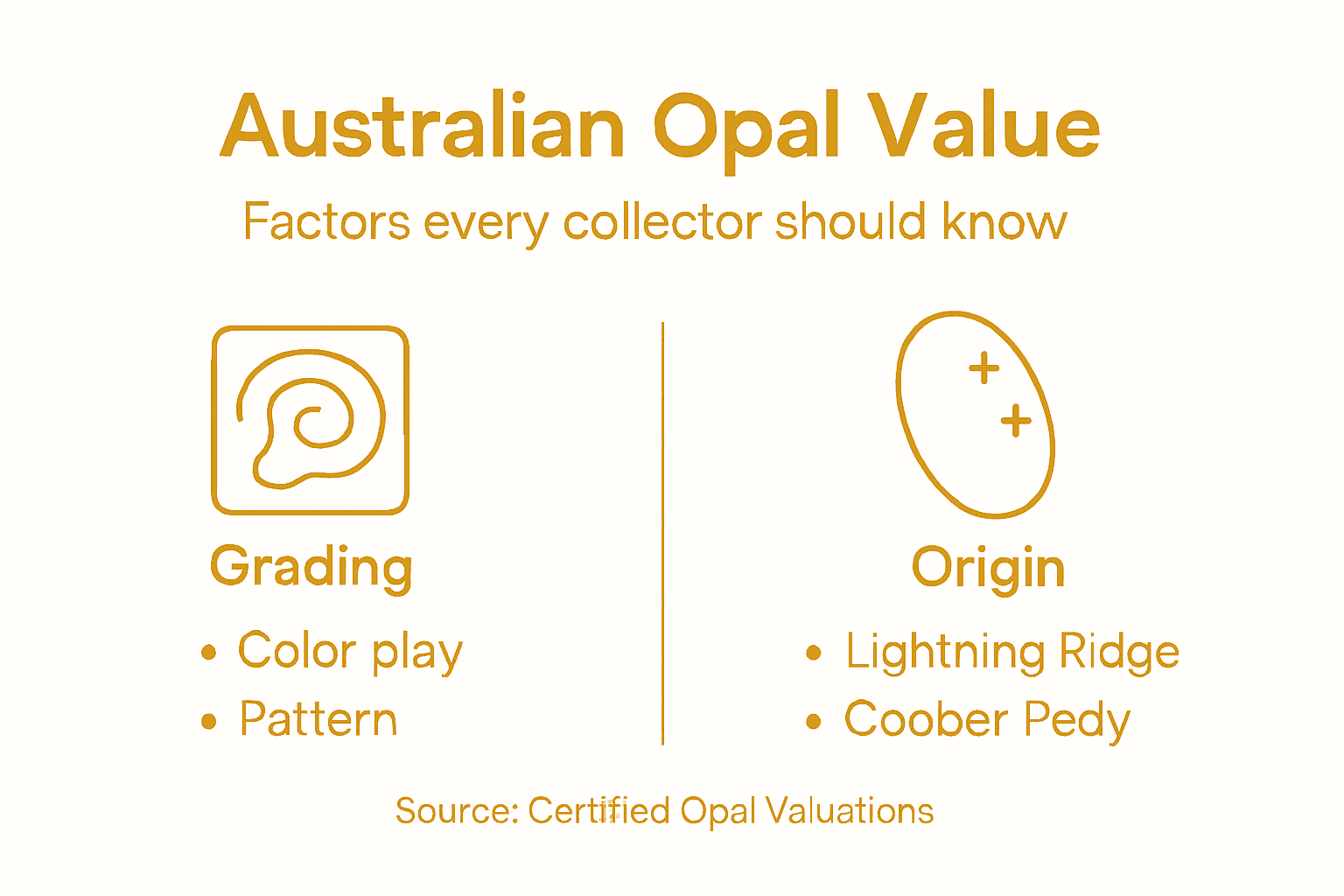
The microscopic geological conditions of each region create unique mineralogical signatures that collectors and experts can trace. Factors such as ancient waterways, silica concentration, and specific mineral deposits contribute to the opal’s formation, determining its internal structure, color potential, and ultimately its market value. Some regions produce opals with exceptional play of color, while others might generate stones with more muted characteristics. This regional variability means that knowledgeable collectors can often identify an opal’s origin simply by examining its internal composition, color distribution, and subtle structural nuances.
Pro tip: Always verify an opal’s origin through professional certification, as the specific mining region can significantly impact its collector value and authenticity.
Common Pricing Mistakes Collectors Face
Navigating the complex world of opal valuation requires more than casual knowledge—it demands a sophisticated understanding of the nuanced factors that determine a stone’s true worth. Pricing misconceptions can lead collectors down expensive paths of misguided investment, potentially resulting in significant financial losses. The most dangerous mistakes often stem from oversimplified assumptions about color, size, and market value.
Opal pricing factors for collectors reveal that many novice collectors make critical errors by overemphasizing superficial characteristics. One common mistake involves equating stone size with value, when in reality, color intensity, pattern complexity, and origin matter far more. Black opals from Lightning Ridge, for instance, can command astronomical prices for small stones with exceptional color play, while larger stones with muted characteristics might be worth significantly less. Collectors frequently underestimate the importance of subtle variations in color distribution, transparency, and internal fire that professional gemologists meticulously evaluate.
Another frequent pricing pitfall involves neglecting proper certification and expertise. Unverified stones can be dramatically overvalued or undervalued, with potential discrepancies running into thousands of dollars. Inexperienced collectors often rely on visual inspection alone, failing to understand the complex geological factors that contribute to an opal’s true market value. Factors such as microscopic structural variations, origin-specific characteristics, and nuanced color interactions require professional assessment. Some collectors make the critical mistake of purchasing opals without understanding the critical difference between treated and natural stones, which can substantially impact pricing and long-term investment potential.
This table summarizes frequent opal pricing mistakes and ways to avoid them:
| Common Mistake | Potential Impact | How to Prevent |
|---|---|---|
| Focusing on size over color | Overpay for low-value stones | Prioritize color intensity |
| Ignoring proper certification | Buy misrepresented stones | Require expert certification |
| Overlooking gem origin | Miss out on superior value | Verify mining location |
| Relying on visual inspection only | Underestimate stone’s true worth | Consult multiple gemologists |
Pro tip: Always consult multiple expert gemologists and request comprehensive certifications before making significant opal investments to protect yourself from potential pricing misconceptions.
Discover True Value with Authentic Australian Opals
Navigating the complex world of opal value can be challenging, especially when balancing factors like color play, origin, and certification. If you want to avoid common pricing mistakes and invest in ethically sourced, highly collectible stones from iconic regions like Lightning Ridge, Coober Pedy, and Queensland, trust only genuine sources. At Australian Opal Direct, we specialize in providing premium-quality opals backed by professional certifications that highlight the unique beauty and rarity of each piece.

Experience the difference of purchasing directly from miners who understand the intrinsic value of every opal. Browse our curated collections featuring exquisite rings, pendants, and custom designs crafted to showcase the natural brilliance and pattern complexity that define true collector worth. Don’t settle for less when it comes to investing in timeless Australian gemstones. Visit Australian Opal Direct now and own a piece of earth’s rarest treasures with confidence.
Frequently Asked Questions
What are the main factors that determine the value of opals?
The value of opals is influenced by several key factors, including color play, body tone, transparency, and pattern complexity. Vibrant stones with intense multicolor patterns and sharp color transitions command higher prices.
How does the type of opal affect its collectibility?
Different types of opals, such as black opals, white opals, crystal opals, and boulder opals, have unique characteristics that impact their market appeal. Black opals are among the rarest and most sought after, while boulder opals are unique due to their natural host rock.
What grading criteria should I consider when evaluating opals?
When evaluating opals, consider the four main grading criteria: color, pattern, brightness, and transparency. The intensity of color and the uniqueness of patterns significantly influence an opal’s market value.
Why is the origin of an opal important?
The geological origin of an opal adds to its identity and value. Certain regions produce higher quality stones with distinctive characteristics, and knowing the origin can enhance a collector’s understanding of an opal’s worth.