Step by Step Opal Supplier Vetting: Buyer's Guide
Posted by AOD on 22nd Jun 2026
Step by Step Opal Supplier Vetting: Buyer’s Guide
TL;DR:
- Effective opal supplier vetting involves reviewing certifications, remote video assessments, physical samples, and ethical documentation. Building relationships with responsive, transparent suppliers who provide verifiable proof reduces the risk of misrepresentation and supports ethical sourcing. Consistent communication, triangulation of evidence, and thorough background checks ensure the authenticity and quality of sourced opals.
Step by step opal supplier vetting is the systematic process of evaluating suppliers to confirm that every opal you source is genuine, high quality, and ethically mined. The industry term for this practice is supplier due diligence, and it covers documentation review, remote quality assessment, ethical sourcing verification, and ongoing relationship monitoring. Whether you are a jewelry business buying wholesale from Lightning Ridge or an individual collector sourcing from Coober Pedy, a structured vetting process protects your investment and your reputation. The tools you need include certification documents, high-definition video, sample packs, and a clear supplier ethics framework.
What documentation and certifications must you require from an opal supplier?
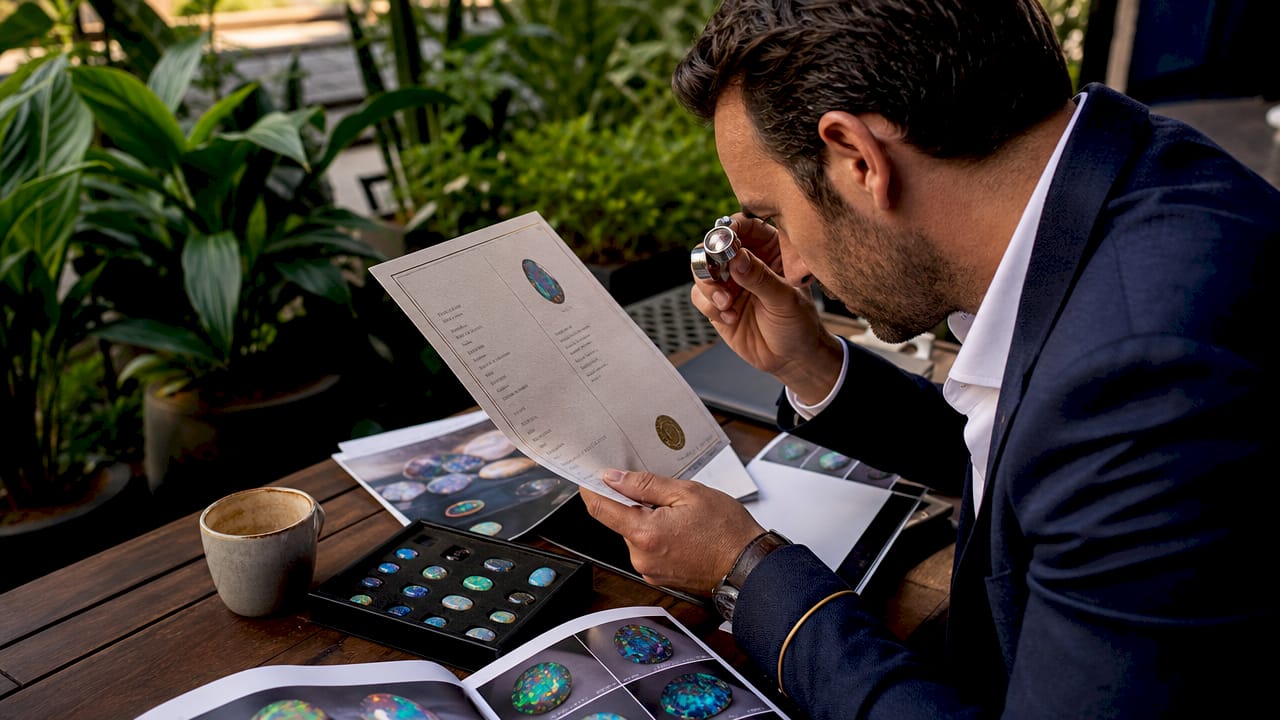
Certification is the foundation of any opal supplier evaluation. A credible certificate does far more than confirm a stone exists. It tells you exactly what you are buying before money changes hands.
A complete opal certificate must include the following elements:
- Gemstone identification: Natural, treated, or synthetic status
- Opal type: Precious opal, common opal, boulder opal, or matrix opal
- Origin: Mine location, such as Lightning Ridge or Coober Pedy
- Weight: Carat weight recorded to two decimal places
- Color description: Play-of-color coverage, dominant hues, and pattern type
- Treatment disclosure: Any enhancement, resin filling, or smoke treatment
- Lab name and unique certificate number: For independent verification
Certificate documentation is considered non-negotiable for stones valued above $500–$1,000. Below that threshold, a detailed written description with photos may suffice, but the moment value climbs, a third-party lab certificate becomes your primary protection against misrepresentation.
Trusted gemological labs include the Gemological Institute of America (GIA), the Australian Gemological Laboratory (AGL), and the Gemmological Association of Australia (GAA). Each issues certificates with unique reference numbers you can verify directly on their websites.
Red flags in certification include missing origin details, vague treatment disclosures, self-issued certificates from the supplier, and certificates with no verifiable reference number. Reject any of these without exception.
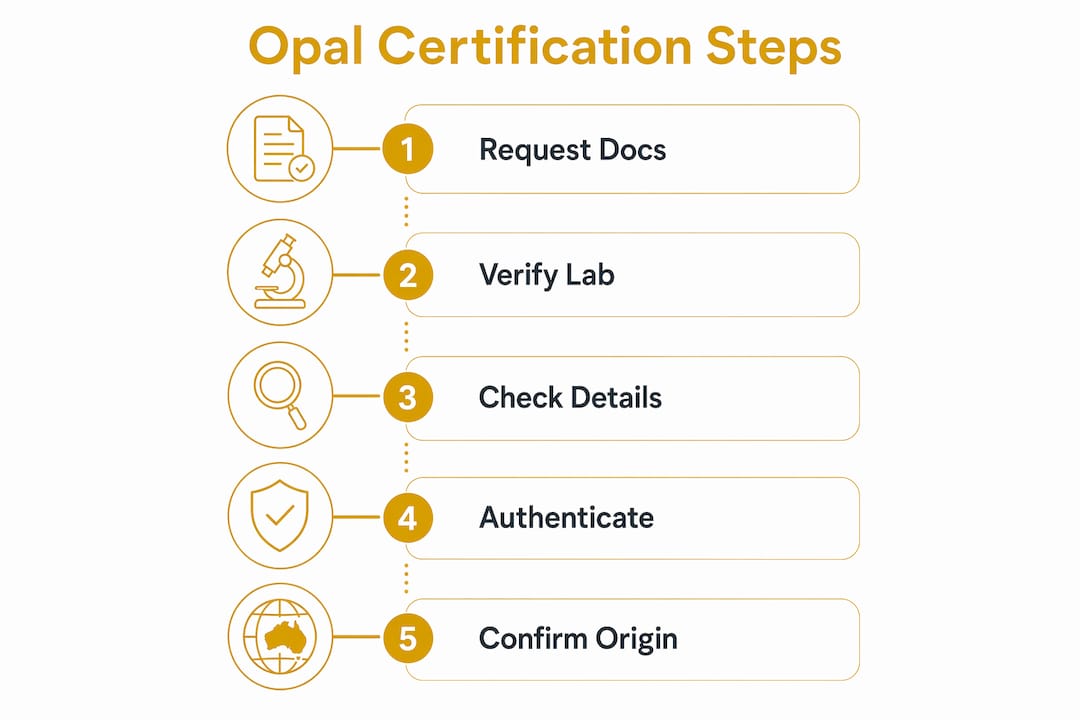
Pro Tip: Always verify a certificate’s authenticity by cross-referencing the unique certificate number directly with the issuing lab’s online database before completing any purchase. A certificate that cannot be verified is worthless.
To deepen your understanding of opal certification standards, Australianopaldirect offers a complete buyer’s guide covering what each element means and how to read a lab report with confidence.
How do you assess opal quality and authenticity remotely?
Photos alone cannot vet an opal. A single top-down image hides construction edges, masks body tone inconsistencies, and tells you nothing about how color shifts across viewing angles. Remote opal quality assessment requires video, multiple angles, and physical samples.
Follow this sequence for every remote evaluation:
- Request high-definition rotating video. Ask the supplier to rotate the stone under consistent, neutral lighting. Video of rotating opals is non-negotiable for any stone valued above $100. It reveals play-of-color coverage, color shift intensity, and pattern type in ways no photo can replicate.
- Require side and profile shots. Side profile views are the fastest way to distinguish a solid opal from an assembled doublet or triplet. Top-down photos routinely hide the thin layers that define composite construction.
- Confirm body tone grading. Ask the supplier to state the body tone on the N1–N9 scale used by the Lightning Ridge Opal Miners Association. N1 is black body tone; N9 is crystal. This grading directly affects value.
- Request a sample pack before bulk orders. Sample packs from reputable mines typically price between $300–$500 and include a mix of rough opal and cabochon-grade material. They let you test color play, stability, and cutting quality before committing to a wholesale order.
- Check the return policy. A supplier confident in their material offers a clear return window. No return policy is a warning sign, not a minor inconvenience.
Pro Tip: Ask the supplier to film the stone next to a color reference card under daylight-balanced lighting. This eliminates the warm-toned lighting tricks that inflate perceived color saturation in supplier videos.
Australianopaldirect’s guide on authenticating Australian opals walks through exactly how to read play-of-color evidence and treatment disclosures from supplier-provided media.

What ethical sourcing criteria should you verify during supplier vetting?
Ethical sourcing verification is not optional for serious buyers. Provenance traceability and correct disclosure of opal type and treatment are baseline expectations for trusted suppliers, not premium extras.
When evaluating a supplier’s ethical claims, check for the following:
- Third-party audit documents: Demand current certifications from independent auditors. Expired or self-issued certifications signal greenwashing and must be rejected outright.
- Chain-of-custody proof: Ask for documentation that traces the stone from mine to your hands. This includes mine permits, export licenses, and dealer transfer records.
- Responsible mining standards: Confirm the supplier adheres to recognized frameworks such as the Responsible Jewellery Council (RJC) Code of Practices or equivalent national standards.
- No vague eco-friendly language: Greenwashing is most commonly exposed when buyers accept vague self-asserted ethical claims without documentation. Phrases like “sustainably sourced” or “eco-conscious” mean nothing without a verifiable audit trail.
- Ongoing re-evaluation: Certifications expire. Build a calendar reminder to re-verify supplier ethics credentials annually, not just at onboarding.
The Branvas Supplier Ethics Score framework offers a structured scorecard that grades suppliers across transparency, certification currency, and social responsibility dimensions. Applying a scoring tool like this removes subjectivity and makes it easier to compare multiple suppliers side by side.
For a deeper look at how Australian supply chains handle traceability, Australianopaldirect’s resource on ethical opal sourcing covers the specific standards that reputable Australian miners and dealers follow.
How do you evaluate supplier identity and communication reliability?
A supplier’s identity and communication behavior predict the quality of every future transaction. Consistent terminology and grading across catalog listings, invoices, and emails are the mark of a professional operation. Discrepancies between any of these documents are a warning sign for quality control problems.
Check these identity markers before proceeding:
- Business registration: Verify the legal entity name against a national business registry. In Australia, this means checking the Australian Business Register (ABR) for an active ABN.
- Contact detail consistency: The name, address, and phone number on the website must match the invoice and email signature exactly.
- Email domain: A supplier using a free webmail address like Gmail or Yahoo for B2B transactions lacks operational maturity. A professional domain email is the minimum standard.
- Physical address: Vague addresses, P.O. boxes only, or addresses that resolve to residential properties on Google Maps are red flags.
Communication speed matters as much as identity verification. Suppliers who answer sample requests within 48 hours with clear, specific information are significantly more likely to maintain consistent service quality. A supplier who takes five days to respond to an initial inquiry will likely take five days to resolve a fulfillment problem. Response time and communication clarity directly correlate with fewer fulfillment issues down the line.
Pro Tip: Send a test inquiry using a specific, technical question about body tone grading or treatment disclosure. A knowledgeable supplier answers precisely. A vague or deflective response tells you everything you need to know about their expertise.
What is an effective workflow to vet opal suppliers from start to finish?
A structured opal sourcing process removes guesswork and protects you at every stage. The following sequence synthesizes all vetting elements into a repeatable workflow.
- Define your non-negotiables. Before contacting any supplier, write down your minimum requirements: certification standards, origin preferences, ethical sourcing criteria, and budget thresholds.
- Initial screening. Review the supplier’s website, social media, and any available reviews. Check business registration. Confirm professional contact details and email domain.
- Request documentation. Ask for sample certificates, mine permits, and any third-party audit reports. Reject suppliers who cannot provide these within a reasonable timeframe.
- Remote quality assessment. Request rotating video, side profile shots, and body tone grading for any stone under consideration. Use the Joalys Paris opal buying framework as a reference for what professional supplier media looks like.
- Order a sample pack. Commit to a sample pack before any bulk purchase. Evaluate color play, stability, and cutting quality against the supplier’s descriptions.
- Ethical audit. Cross-reference all ethical sourcing claims against third-party audit documents. Apply a structured scorecard like the Branvas Supplier Ethics Score.
- Ongoing monitoring. Re-verify certifications annually. Track communication quality and fulfillment accuracy across every order. Establishing a sample lot workflow with traceability and repeatability builds trust before large purchases.
| Step | Goal | Key Inputs | Red Flags |
|---|---|---|---|
| Define criteria | Set minimum standards | Buyer requirements list | No written criteria |
| Initial screening | Confirm legitimacy | Website, registry, contact details | Free webmail, vague address |
| Documentation request | Verify authenticity | Certificates, mine permits, audits | Self-issued or expired certs |
| Remote assessment | Evaluate quality | Video, profile shots, body tone grade | Top-down photos only |
| Sample pack trial | Test material quality | Physical samples, return policy | No samples offered |
| Ethical audit | Confirm sourcing integrity | Third-party audit reports | Vague eco-claims, no chain of custody |
| Ongoing monitoring | Maintain supplier standards | Annual re-verification, order tracking | Declining response times |
Triangulating stone construction, treatment status, and remote video evidence is the fastest method to detect misrepresentation. Any two factors may appear consistent, but the third will expose discrepancies about authenticity or value.
Key Takeaways
Effective opal supplier vetting requires triangulating certification, remote video evidence, physical samples, and ethical audit documentation before committing to any purchase.
| Point | Details |
|---|---|
| Certification is non-negotiable | Require third-party lab certificates for any opal valued above $500–$1,000. |
| Video beats photos every time | Request rotating video under consistent lighting to assess play-of-color and construction type. |
| Sample packs reduce bulk order risk | Order a sample pack priced at $300–$500 before committing to wholesale quantities. |
| Ethical claims need documentation | Reject vague eco-friendly language; demand current third-party audit reports and chain-of-custody proof. |
| Communication speed predicts reliability | Suppliers responding within 48 hours with specific answers are more likely to deliver consistent quality. |
What I’ve learned from vetting opal suppliers the hard way
The most common mistake buyers make is treating supplier vetting as a one-time checklist rather than a living process. I have seen buyers accept a single stunning image of a black opal from Lightning Ridge, skip the video request, and receive a doublet that bore almost no resemblance to what was pictured. The stone was not fraudulent in the legal sense. It was simply never fully disclosed.
The triangulation principle changed how I approach every parcel. Documentation, remote video, and physical samples must all align. When one element is missing or vague, that absence is itself a signal. A supplier who cannot provide rotating video for a $2,000 stone is not being lazy. They are protecting something.
Responsiveness is the most underrated vetting criterion. I have never had a fulfillment problem with a supplier who answered my first technical question within 24 hours with a specific, knowledgeable reply. I have had multiple problems with suppliers who took days to respond and used generic language. The correlation is not coincidental.
Build supplier relationships with the same patience you would bring to evaluating the opals themselves. The colors in a fine crystal opal from Coober Pedy took millions of years to form. A trustworthy supply chain is worth a few extra weeks of structured vetting.
— Renee
Australianopaldirect: a trusted partner for authentic opal sourcing
Buyers who want to skip the uncertainty of unverified suppliers have a clear alternative.
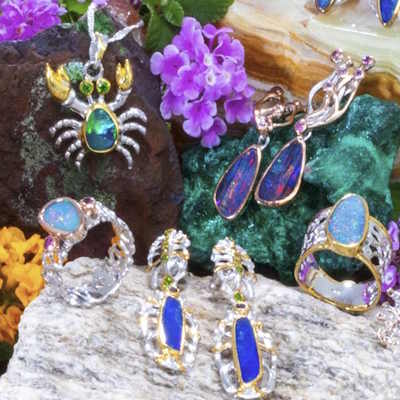
Australianopaldirect sources directly from miners in Lightning Ridge, Coober Pedy, and Queensland, maintaining direct relationships that eliminate middlemen and support full traceability. Every piece in the collection comes with transparent origin details and certification support, so you know exactly what you are buying. The curated selection spans certified Australian opals across rings, pendants, earrings, and custom designs, each backed by a 90-day warranty and complimentary insurance. For buyers who want the confidence of a fully vetted supply chain without building one from scratch, Australianopaldirect is the place to start.
FAQ
What documents should an opal supplier always provide?
A credible opal supplier must provide a third-party lab certificate specifying gemstone type, origin, weight, treatment status, and a unique verifiable certificate number. For stones above $500–$1,000, this documentation is non-negotiable.
How do you tell a solid opal from a doublet or triplet remotely?
Request side profile shots and rotating video under neutral lighting. Top-down photos hide construction edges; only profile views and video reveal the thin layers that define doublet or triplet assembly.
What is a sample pack and why does it matter?
A sample pack is a curated parcel of rough and cabochon-grade opal, typically priced between $300–$500, that lets buyers evaluate color play, stability, and cutting quality before placing a bulk order.
How do you spot greenwashing in opal supplier claims?
Greenwashing appears as vague phrases like “sustainably sourced” or “eco-conscious” without supporting audit documents. Demand current third-party certifications and chain-of-custody records to verify any ethical sourcing claim.
How quickly should a reliable opal supplier respond to inquiries?
A reliable supplier responds to sample requests and technical questions within 48 hours with specific, knowledgeable answers. Slow or vague responses are a reliable predictor of future fulfillment and quality problems.
Recommended
- Opal Gemstone Selection Process: A Step-by-Step Guide - Australian Opal Direct
- Step by Step Opal Matching Process for Jewelry Makers - Australian Opal Direct
- 7-Step Custom Opal Jewelry Checklist for Collectors - Australian Opal Direct
- Buying Australian Opals Step by Step: Expert Guide for Collectors - Australian Opal Direct