Opal gemstone pairing guide for unique jewelry designs
Posted by AOD on 20th Mar 2026
Opal gemstone pairing guide for unique jewelry designs
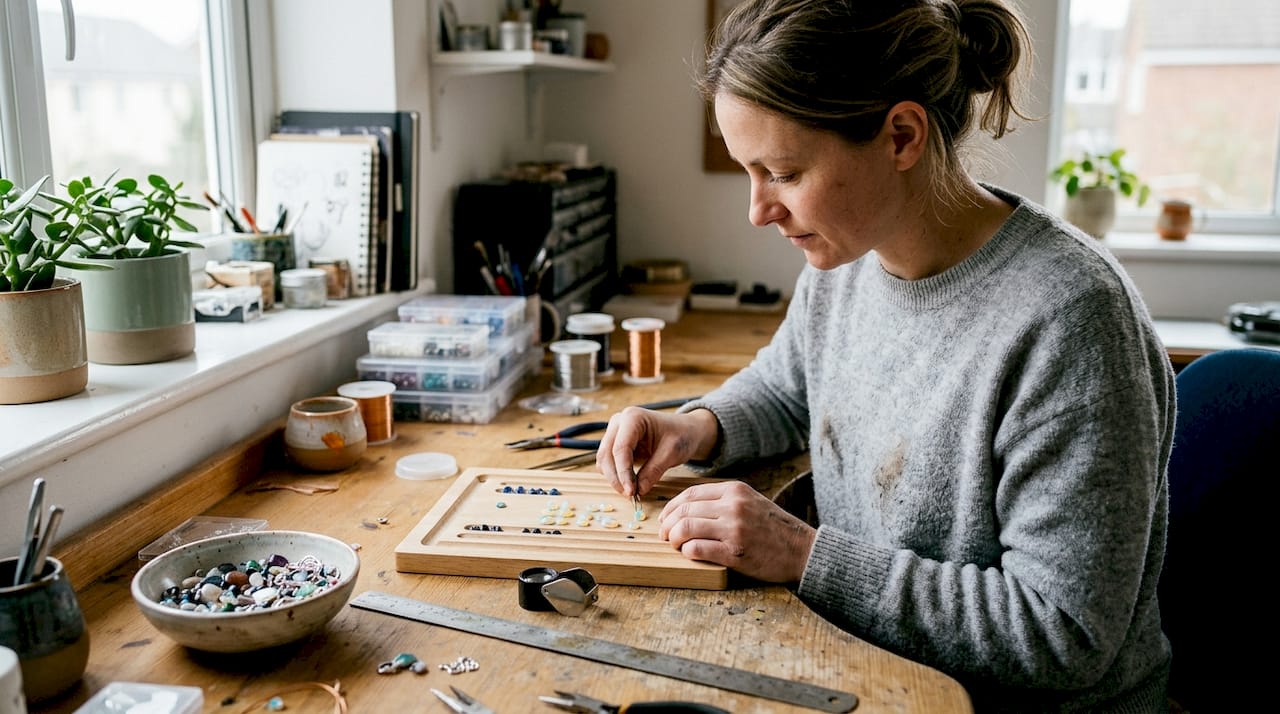
Selecting the perfect gemstone companions for your opal jewelry can transform a beautiful piece into a breathtaking collector’s item. Many enthusiasts struggle to choose stones that truly complement opal’s unique play of color without overwhelming its natural fire or risking physical damage. This guide equips you with expert pairing strategies based on color contrast, gem compatibility, and practical design principles. You’ll learn how to highlight your opal jewelry’s beauty through thoughtful partnerships that enhance rather than compete, creating distinctive pieces that showcase both your artistic vision and gemstone expertise.
Table of Contents
- Key takeaways
- Preparing to pair opal gemstones: materials and considerations
- Step-by-step opal pairing techniques for stunning contrast and harmony
- Common mistakes in opal gemstone pairing and how to avoid them
- Verifying and enhancing your opal gemstone pairings for lasting beauty
- Explore premium opal jewelry and pairings at Australian Opal Direct
- What gemstones pair best with opal?
- How do I protect opal jewelry when pairing with other stones?
- Should I consider metaphysical meanings when pairing opals?
- How can I test opal and gemstone pairings before finalizing?
Key Takeaways
| Point | Details |
|---|---|
| Color contrast guidance | Use opal dominant flash colors to guide complementary partner stones that enhance its fire without overpowering it. |
| Hardness awareness | Opal’s Mohs hardness of 5.5 to 6.5 means avoid direct contact with diamonds sapphires and rubies to prevent surface scratches. |
| Ideal companion gems | Recommended companions include amethyst citrine and diamonds for opals. |
| Protective settings | Protective settings like bezels or tall prongs help prevent gem on gem contact and preserve opal beauty. |
| Lighting testing | Test sample stones beside the opal under natural daylight to preview color interactions before finalizing the design. |
Preparing to pair opal gemstones: materials and considerations
Successful opal pairing begins with understanding your primary stone’s characteristics and gathering the right materials. Opal value hierarchy emphasizes red and orange flashes over blue and green, with boulder opals offering better durability than delicate crystal varieties. Knowing whether you’re working with fire opal, black opal, white opal, or boulder opal directly influences which partner stones will create the most striking visual effects.
The Mohs hardness scale becomes your essential reference tool when selecting companion gemstones. Opal sits at 5.5 to 6.5 on this scale, making it vulnerable to scratches from harder materials. Diamonds, sapphires, and rubies all register above 7, meaning direct contact during wear can damage your opal’s surface over time. This physical reality shapes every pairing decision you make.
Define your design intention before selecting partner stones. Are you creating a piece where opal serves as the undisputed focal point, or do you envision a balanced multi-gem composition? Selecting opal types for fine jewelry requires this clarity because your goal determines whether you need subtle accent stones or bold contrasting gems. A spotlight design calls for understated companions, while a gallery piece might support more adventurous combinations.
Gather sample stones that match or contrast with your opal’s dominant flash colors. Place them beside your opal under natural light to preview how colors interact. This hands-on testing reveals whether a purple amethyst truly enhances your opal’s blue fire or if a golden citrine better complements orange flashes. Physical comparison beats theoretical planning every time.
Essential materials checklist:
- Primary opal piece with identified dominant flash colors
- Mohs hardness reference chart for gemstone compatibility
- Sample companion stones in candidate colors
- Natural light source for accurate color assessment
- Protective setting designs like bezels or secure prongs
- Jeweler’s loupe for examining stone surfaces
| Opal Type | Dominant Colors | Ideal Partner Stones | Setting Priority |
|---|---|---|---|
| Fire opal | Orange, red, yellow | Citrine, peridot, black spinel | Moderate protection |
| Black opal | Multi-color on dark base | Diamonds, white topaz, moonstone | High protection |
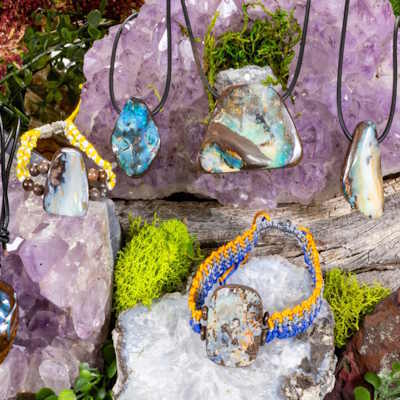
| Boulder opal | Earth tones with color play | Smoky quartz, garnet, amber | Moderate protection |
| White opal | Pastel flashes on light base | Amethyst, aquamarine, pink tourmaline | High protection |
Protective settings become non-negotiable when pairing opals with any other gemstones. Bezel settings surround the opal’s edge with metal, creating a physical barrier against harder stones. Prong settings work when designed with sufficient height to prevent gem-on-gem contact during normal wear. Your setting choice directly impacts how long your paired jewelry maintains its beauty.
With your materials and knowledge ready, let’s move to step-by-step pairing methods to create harmonious jewelry.
Step-by-step opal pairing techniques for stunning contrast and harmony
Identifying your opal’s dominant flash colors forms the foundation of successful pairing. Hold your opal under natural daylight and rotate it slowly, noting which colors appear most frequently and intensely. Blue and green flashes suggest cool-toned partnerships, while red and orange fire points toward warm companions. This color dominance determines your entire pairing strategy.
Color contrast pairing process:
- Photograph your opal’s strongest flash colors under natural light
- Reference a color wheel to identify complementary opposites
- Select candidate stones in those contrasting hues
- Test physical combinations before committing to settings
- Evaluate how contrast enhances rather than fights opal’s fire
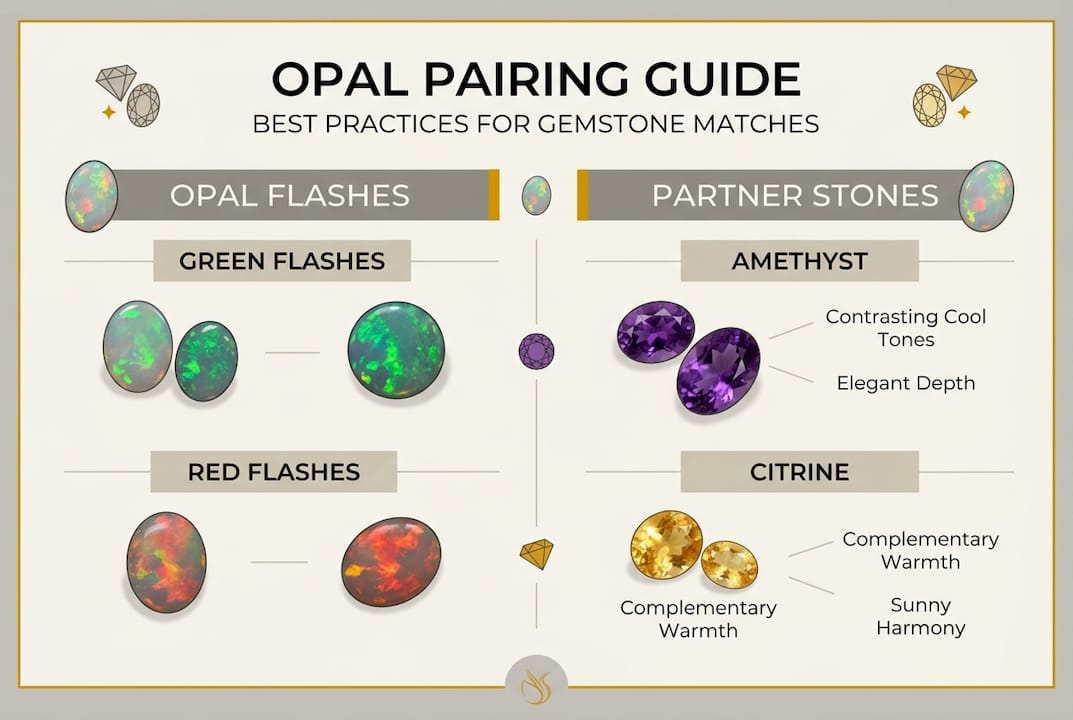
Matching partner gem colors to dominant opal flashes creates immediate visual impact that draws the eye naturally. Purple amethyst placed beside blue-flashing opal generates striking contrast that makes both stones appear more vibrant. The complementary relationship creates tension that feels intentional rather than chaotic.
Echoing your opal’s hues in accent stones produces harmony instead of contrast. If your opal displays prominent green flashes, emerald or peridot accents reinforce that color story throughout the piece. This approach works beautifully for collectors who prefer cohesive, flowing designs over bold statements. The technique creates visual rhythm that feels sophisticated and intentional.
Compatible gem pairings include amethyst, citrine, moonstone, diamond, peridot, pink tourmaline, and black spinel based on both visual compatibility and metaphysical traditions. Amethyst’s purple tones complement nearly any opal color while adding spiritual depth for enthusiasts. Citrine’s golden warmth enhances fire opals spectacularly. Diamonds provide neutral brilliance that amplifies opal’s fire without competing for attention.
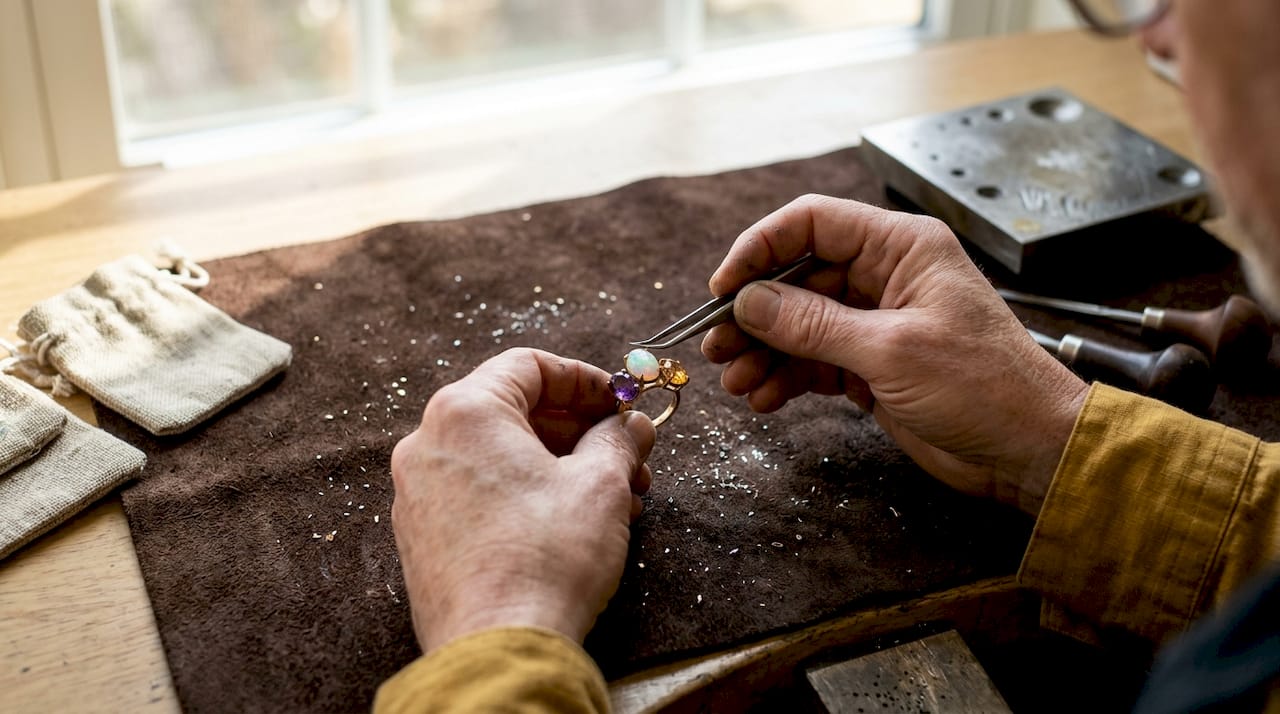
Metaphysical compatibility matters to many collectors beyond pure aesthetics. Moonstone pairs with opal energetically as both stones connect to intuition and emotional balance. Peridot’s protective properties complement opal’s amplifying nature. While these considerations remain secondary to physical design, they add meaningful dimension for spiritually-minded jewelry enthusiasts.
Pro Tip: Limit your design to one or two statement gemstones maximum. Multiple vibrant stones competing for attention create visual chaos that diminishes your opal’s natural fire. Let opal dominate while companions provide support.
Black spinel serves as an exceptional grounding stone for opals with intense color play. Its deep, neutral tone provides visual rest that makes opal’s flashes appear even more dramatic by contrast. This pairing works particularly well for opal jewelry style ideas that target modern, minimalist aesthetics where restraint creates impact.
Test your selected pairings by arranging loose stones in your intended design layout. Photograph the arrangement and review images on different devices to see how colors translate digitally. This step proves especially valuable for custom pieces where changes after setting become expensive. Digital previews reveal color relationships that eyes sometimes miss in person.
Having learned the pairing steps, next we consider common pitfalls to avoid and tips for durability.
Common mistakes in opal gemstone pairing and how to avoid them
Stacking hard gemstones directly against opal creates inevitable scratching over time. Harder gems registering above 7 on the Mohs scale will damage opal’s surface through normal wear and movement. Rings particularly suffer this fate when multiple stone bands sit adjacent without protective spacing. The damage accumulates gradually until your opal’s polish dulls noticeably.
Combining multiple vibrant gemstones in a single piece creates visual competition that diminishes every stone’s impact. A design featuring opal, ruby, emerald, and sapphire simultaneously fights itself for attention. The human eye struggles to focus, resulting in a busy composition that lacks the sophistication collectors seek. Restraint consistently outperforms abundance in fine jewelry design.
Mixed metal combinations require intentional design to succeed rather than accidental juxtaposition. Yellow gold paired with white gold or platinum can work beautifully when the contrast serves a clear aesthetic purpose. Random metal mixing without design logic appears unfinished or confused. Your metal choices should support your gemstone pairings, not add another layer of visual complexity.
Storage and care mistakes to avoid:
- Storing opal jewelry in the same compartment as harder gemstones
- Using ultrasonic cleaners that can crack opal’s delicate structure
- Exposing paired pieces to extreme temperature changes
- Wearing opal rings during activities that risk impact
- Neglecting regular professional inspections of settings
Pro Tip: Wrap each opal piece individually in soft cloth before storing, even when kept in separate jewelry box compartments. This extra layer prevents accidental contact if pieces shift during storage or travel.
“The most elegant opal jewelry designs understand that less truly becomes more. A single perfectly chosen companion stone creates more impact than a constellation of competing gems.” — Jewelry design principle
Metaphysical warnings about avoiding unfavorable planetary combinations exist in traditional gemstone lore, but jewelry design prioritizes physical aesthetics and durability. Some traditions caution against pairing certain stones based on astrological conflicts. While these beliefs hold cultural significance, practical considerations like hardness compatibility and color harmony matter more for wearable jewelry that maintains its beauty over decades.
Ignoring lighting conditions when finalizing pairings leads to disappointment when wearing finished pieces. Gemstones that look harmonious under jewelry store lighting may clash in natural daylight or restaurant ambiance. Your paired jewelry will encounter countless lighting environments throughout its life. Testing under varied conditions before final assembly prevents costly regrets.
Overlooking the importance of proportion creates imbalanced designs where partner stones either disappear or overwhelm the opal. A tiny opal surrounded by large diamonds loses its starring role. Conversely, massive opals paired with minuscule accent stones appear incomplete. Opal jewelry picking requires careful attention to proportional relationships that feel intentional rather than arbitrary.
Next, let’s verify your final pairing results and maintain your beautiful opal jewelry.
Verifying and enhancing your opal gemstone pairings for lasting beauty
Testing gemstone combinations under multiple lighting conditions reveals true color relationships that single-source lighting conceals. Natural daylight provides the most accurate color assessment, showing how your paired stones will appear in outdoor settings. LED lighting offers consistent evaluation for indoor environments. Experts recommend viewing pairings in both daylight and LED to balance bold and subtle elements effectively.
Incandescent lighting adds warm yellow tones that can dramatically alter perceived color relationships. Fluorescent lighting casts cool blue tones that affect warm-colored stones differently than cool ones. Professional jewelers evaluate pieces under standardized lighting, but your jewelry lives in the real world where lighting varies constantly. Testing under at least three different light sources before finalizing your design prevents unpleasant surprises.
| Lighting Type | Effect on Opals | Effect on Partner Stones | Best For Testing |
|---|---|---|---|
| Natural daylight | True color revelation | Accurate hue assessment | Primary evaluation |
| LED (5000K) | Neutral, consistent | Reliable color rendering | Indoor wear simulation |
| Incandescent | Warm, enhanced fire | Yellow tone addition | Evening wear preview |
| Fluorescent | Cool, muted | Blue tone addition | Office environment test |
Balancing striking opal flashes with subtle partner stones prevents visual overload that exhausts the eye. Black spinel, smoky quartz, or gray moonstone provide grounding elements that make opal’s color play appear even more dramatic. This contrast between active and passive elements creates visual breathing room that sophisticated designs require. The partnership feels intentional rather than accidental.
Protective settings become especially critical when pairing multiple gemstones in a single piece. Bezel settings surround each stone with a metal rim that prevents direct contact between gems. Channel settings secure stones in metal grooves that maintain separation. Prong settings work when designed with sufficient height and spacing to prevent stone-on-stone contact during normal movement and wear.
Setting selection criteria:
- Bezel settings for maximum opal protection in active wear
- Prong settings when showcasing opal’s full surface area
- Channel settings for linear designs with multiple stones
- Halo settings that surround opal with protective diamond borders
- Custom settings designed specifically for your stone combination
Pro Tip: Request your jeweler photograph your paired design under three different lighting conditions before final assembly. These reference images help you evaluate whether the pairing achieves your vision across varied environments.
Considering opal as an amplifier stone that needs grounding partners creates more successful designs. Opal’s intense color play generates visual energy that benefits from calming elements. Pairing it exclusively with other high-energy stones like fire opal with ruby creates exhausting visual intensity. Strategic use of neutral or subtle stones provides the contrast that makes opal’s fire truly shine.
Regular evaluation of how your pairing performs in different environments builds expertise for future projects. Notice which combinations receive the most compliments and in what settings. Observe how your paired jewelry photographs compared to how it appears in person. This ongoing assessment develops your eye for successful partnerships that you can apply to custom opal jewelry design projects.
Document your successful pairings with detailed notes about opal type, partner stones, setting style, and lighting performance. This personal reference library becomes invaluable as you expand your collection or create custom pieces. Patterns emerge showing which combinations consistently deliver the aesthetic impact you seek. Your expertise grows with each thoughtfully paired piece.
With your jewelry perfectly paired and verified, discover quality opals and accessories to begin your designs in the next section.
Explore premium opal jewelry and pairings at Australian Opal Direct
Finding the perfect opal for your pairing projects starts with accessing genuinely exceptional stones from trusted sources. Australian Opal Direct offers a curated collection of earth-mined opals from Lightning Ridge, Coober Pedy, and Queensland, each piece selected for its unique play of color and pairing potential. Their direct-miner relationships ensure you receive authentic Australian opals at competitive prices without middleman markups.
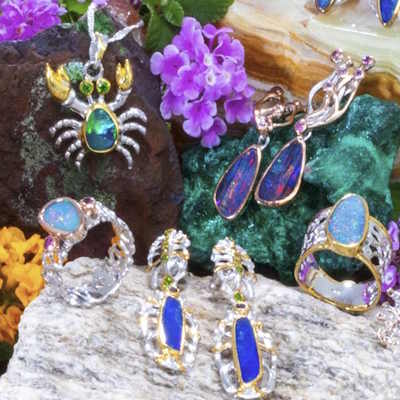
Explore expertly crafted opal earrings, rings, and pendants that demonstrate successful gemstone pairings in finished jewelry. Each piece showcases how thoughtful companion stone selection enhances rather than competes with opal’s natural fire. The collection serves as inspiration for your own opal jewelry style ideas, whether you’re selecting ready-made pieces or planning custom creations.
Access comprehensive educational resources and custom opal jewelry design tips that help you apply pairing principles to your specific projects. Free shipping, complimentary insurance, and 90-day warranties provide confidence in every purchase. Their custom jewelry services allow you to bring your pairing visions to life with expert guidance throughout the design process.
Finally, let’s answer some frequently asked questions to enhance your opal pairing expertise.
What gemstones pair best with opal?
Compatible gems include amethyst, citrine, moonstone, diamond, peridot, pink tourmaline, and black spinel for both visual and energetic harmony. Amethyst’s purple tones complement opal’s blue and green flashes beautifully while adding spiritual depth. Citrine enhances fire opals with its golden warmth, creating cohesive color stories. Diamonds provide neutral brilliance that amplifies opal’s fire without competing, making them universally compatible partners.
How do I protect opal jewelry when pairing with other stones?
Harder stones can scratch opal surfaces through normal wear and contact. Use bezel or secure prong settings that prevent direct stone-on-stone contact during movement. Store opal pieces separately in individual soft cloth wrappings to avoid accidental scratching. Avoid stacking rings where hard gemstones sit adjacent to opal bands, as this creates inevitable surface damage over time.
Should I consider metaphysical meanings when pairing opals?
Metaphysical compatibility can guide pairing choices for enthusiasts interested in energetic synergy. Moonstone pairs well with opal as both stones connect to intuition and emotional balance. Peridot’s protective properties complement opal’s amplifying nature energetically. However, practical considerations like hardness compatibility, color harmony, and design aesthetics should remain your primary focus for jewelry that maintains beauty and durability across decades of wear.
How can I test opal and gemstone pairings before finalizing?
Testing pairings under daylight and LED lighting ensures true color harmony and proper balance. Arrange loose stones in your intended design layout and photograph them under multiple lighting conditions. Review images on different devices to see how colors translate digitally. Balance bold opal flashes with subtle partner stones to avoid visual overload. Make adjustments based on how the pairing performs across varied lighting environments before committing to final assembly.
Recommended
- 7 Unique Opal Jewelry Style Ideas for Gemstone Collectors - Australian Opal Direct
- 7 Examples of Opal Jewelry Styles Collectors Love - Australian Opal Direct
- Opal Jewelry Gifting Guide: Select, Customize, and Present - Australian Opal Direct
- Opal Jewelry Selection Guide: Choose Your Perfect Gem - Australian Opal Direct