Avoid Overpaying for Andamooka Matrix Opal: 5 Checks to Verify
Posted by AOD on 30th Sep 2026
Avoid Overpaying for Andamooka Matrix Opal: 5 Checks to Verify

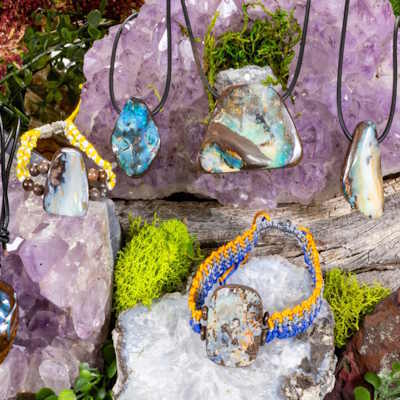
Andamooka matrix opal is precious opal grown within a porous host limestone, prized for its patchy, almost inlaid play-of-color rather than the solid fire of crystal opal. Most matrix material sold today has been treated, its host rock darkened to intensify color, and that treatment must be disclosed by an honest seller. Untreated crystal pieces exist too, and they carry the higher prices that scarcity demands.
TL;DR:
- Most treated Andamooka matrix opal is darkened with carbonization, which reduces its value compared to untreated or collector-grade crystal pieces.
- Spotting signs of treatment include black specks under magnification, blackening near the surface, and an overly uniform dark background.
- Price is influenced by play-of-color strength, hue dominance, pattern contrast, carat weight, and whether the piece is certified natural or treated.
- Authenticity can be verified with magnified photos, certification from the Australian Opal Association, and clear labeling of treatment status and origin.
- Care should focus on gentle cleaning, avoiding heat and dry environments, with protective settings recommended for jewelry worn regularly.
Table of Contents
- What Andamooka Matrix Opal Is and the Varieties You’ll See
- Treatment Methods and What Sellers Should Disclose
- Pricing Drivers: How to Judge Value for Andamooka Matrix Opal
- How to Authenticate Andamooka Matrix Opal and Spot Treatment
- Buying Checklist: Essential Questions and Listing Details to Confirm
- Jewelry Uses and Care for Andamooka Matrix Opal
- A Collector’s View on Matrix Opal’s Appeal
- Finding Andamooka Matrix Opal Through Australian Opal Direct
- References Worth Bookmarking
- FAQ
What Andamooka Matrix Opal Is and the Varieties You’ll See
Matrix opal forms differently from the seam opal most people picture when they think of Australian gems. Instead of filling a single crack or void, silica-rich fluid seeps through countless tiny pores in limestone, leaving behind a network of color scattered through the stone rather than concentrated in one solid layer. This porous host, common around Andamooka in South Australia, is what gives matrix opal its distinctive mottled, almost galaxy-like appearance, a stone where rock and gem are inseparable.
You’ll encounter a handful of commercial varieties when shopping:
- Treated matrix, where the limestone has been darkened through a carbon treatment to make the color pop against a near-black background.
- Natural or untreated matrix, sold as it was pulled from the ground, with color set against the stone’s original pale gray or cream tone.
- Concrete or rainbow matrix, a denser variety with tighter color distribution that reads closer to solid opal.
- Crystal opal, the rare, gem-quality material with no host rock visible at all, essentially pure precious opal.
For buyers, two practical numbers matter beyond the visual drama. Opal has a moderate hardness on the Mohs scale and a specific gravity that reflects its density, both of which explain why care and setting choices matter so much later in the buying decision. Treated matrix is the variety you’ll see most often in shops and online listings. Crystal opal and large untreated matrix pieces belong to a different tier entirely, one collectors chase and pay accordingly to own.
Treatment Methods and What Sellers Should Disclose
The treatment behind most Andamooka matrix opal on the market is a sugar and acid process, sometimes called carbonization. The stone is soaked in a sugar solution, then treated with acid that reacts with the sugar to deposit carbon deep into the pores of the host rock. The result is a blackened matrix that throws the natural play-of-color into sharp relief, the same trick that makes a black opal’s fire look more intense against a dark body tone.
Spotting treated material takes a careful look, but there are consistent tells:
- Pepper spotting, tiny black specks visible under magnification where carbon has settled unevenly.
- Skin-depth blackening, meaning the dark coloring sits near the surface rather than running through the stone.
- A uniform, almost too-perfect black background, compared to the more random, patchy tone of untreated matrix.
The treatment itself is considered stable once processing is complete, though the underlying opal remains sensitive to heat and dryness regardless of whether it has been carbonized. Where treatment changes the picture is value: treated matrix sells at a fraction of what comparable untreated or crystal material commands, because the enhancement is doing work the stone couldn’t do on its own.
A defining industry standard shapes how this should be sold: the Australian Opal Association’s code of ethics requires members to identify opal type, whether solid, doublet or triplet, and prohibits misrepresenting treated or synthetic material as natural. That single disclosure rule is the difference between a fair transaction and a costly mistake, and it’s worth asking about before you ask about price.
Pricing Drivers: How to Judge Value for Andamooka Matrix Opal
Price on a matrix opal rarely comes down to one factor. It’s a combination of how strong the play-of-color is, which hues dominate, how the pattern reads, and whether the stone has been treated at all.
- Play-of-color strength matters most: a stone that flashes color across a wide viewing angle outperforms one that only lights up when tilted just right.
- Dominant hues carry weight too, with reds and oranges generally valued above greens and blues in matrix material, echoing the broader hierarchy seen in opal pricing overall.
- Pattern and contrast separate the tiers: a treated matrix stone with bold, well-defined color against its blackened host reads very differently from an untreated piece where color sits more subtly in its natural stone.
- Carat weight and shape affect price per carat, with symmetrical cabochons and larger sizes commanding a premium over irregular or small pieces.
- Treatment status and certification shift the whole conversation, since a certified, untreated crystal piece competes in a different price bracket than a common treated cabochon.
Market pricing for Andamooka matrix opal spans a wide range, with treated pieces often sitting in more accessible bands and untreated crystal or large collector-grade stones reaching far higher premiums. Expect to pay more whenever a stone combines rarity, strong color, and documented natural origin in the same piece.
How to Authenticate Andamooka Matrix Opal and Spot Treatment
Authentication doesn’t require a laboratory, but it does require knowing what to look for and what to ask.
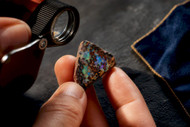
- Examine under magnification first. A jeweler’s loupe or a simple magnifier will reveal pepper spotting and skin-depth blackening that betray carbon treatment, versus the more random, pore-distributed color of untreated stone.
- Request an AOA certificate for loose stones. The Australian Opal Association’s Certificate of Authenticity program is currently the most practical specialist certification available for opal in the country, and a legitimate seller should be able to provide or arrange one.
- Confirm clear type labeling. A listing or invoice should state plainly whether you’re buying a solid stone, a doublet, or a triplet, not leave it implied.
- Push past photos and warranties alone. A photo can be edited and a warranty can be vague. If a seller can’t produce documentation or won’t discuss treatment history, treat that as a reason to look elsewhere, not a technicality.
- Watch for mislabeling red flags, including listings that call treated matrix “natural black opal” or omit treatment status entirely.
Our guide to authenticating Australian opals walks through the paperwork and seller signals worth checking before you commit to a purchase, and our piece on distinguishing opal origins covers how provenance claims hold up under scrutiny.
Pro Tip: Ask for a magnified photo of the stone’s surface before buying online; genuine sellers rarely hesitate, and the image alone often confirms whether the material has been carbon treated.

Buying Checklist: Essential Questions and Listing Details to Confirm
A good listing does most of the disclosure work for you. A vague one should raise questions before it raises your interest.
- Check that the listing states opal type, treatment status, weight, and dimensions. Missing any of these is a gap worth asking about directly.
- Ask the seller for proof of origin and clear treatment disclosure, along with return policy and warranty terms in writing.
- Request certification for loose stones, particularly anything represented as untreated crystal or natural matrix.
- Compare price per carat across similar listings, adjusting your expectations downward for treated material and upward for certified natural stones.
- Decide whether a certified loose stone or a finished set piece suits your purpose, since collectors typically pay extra for the former while jewelry buyers often find better value in the latter.
For an outside perspective on vetting sellers, Carbon Sparkle’s guide to buying gemstones online covers general due diligence that applies well beyond opal. Our own breakdown of matrix opal varieties and value is a useful companion when you’re comparing multiple listings side by side.
Jewelry Uses and Care for Andamooka Matrix Opal
Matrix opal suits pendants and earrings especially well, settings where the stone is admired rather than knocked against countertops and car doors all day. Rings see more wear and tear, so if you want opal on your hand, choose a protective setting, a bezel that wraps the stone’s edge, over an exposed prong mount.
- Choose bezel or half-bezel settings to shield the stone’s edges from impact.
- Avoid prolonged heat, direct sun, and very dry environments, all of which can stress the stone’s structural water and lead to crazing over time.
- Clean gently with a soft cloth and lukewarm water, and skip ultrasonic cleaners entirely.
- Store away from other jewelry that could scratch the surface, ideally in a soft-lined box.
Treated stones and untreated crystal share the same underlying vulnerability to heat and dryness, so care routines don’t really change based on treatment status. Our full opal jewelry care routine covers seasonal storage tips worth bookmarking.
Pro Tip: Keep a small dish of water near dry indoor heating vents during winter; the added humidity helps protect opal jewelry stored nearby from the dryness that contributes to crazing.
A Collector’s View on Matrix Opal’s Appeal
Matrix opal earns its following precisely because it looks unfinished in the best possible way. Where crystal opal presents a clean, contained window of fire, matrix opal scatters that same color through stone in a pattern no two pieces repeat, an organic quality that seam opal simply can’t replicate. That’s the appeal collectors chase, and it’s why untreated crystal pieces from Andamooka hold their value so stubbornly against more common treated material.
Buyers looking for jewelry to wear often prefer the drama of treated matrix, where the blackened host throws color forward with theatrical contrast. Collectors tend to prize the quieter, untreated stones instead, valuing authenticity over spectacle. Neither preference is wrong. Knowing which one you’re shopping for, before you start comparing listings, saves both money and disappointment.
— Renee
Finding Andamooka Matrix Opal Through Australian Opal Direct
Buying opal from a seller with direct miner relationships removes much of the guesswork that makes gemstone shopping stressful. Such sourcing shortens the chain between the stone leaving the ground and reaching your hands, and it means treatment status and origin claims come with fewer intermediaries to muddy them.

The collection includes curated opal stones alongside finished jewelry, so whether you want a loose matrix piece for a custom setting or something ready to wear, there’s a path to both. Shipping, insurance, and warranty terms vary by seller and should be confirmed before purchase.
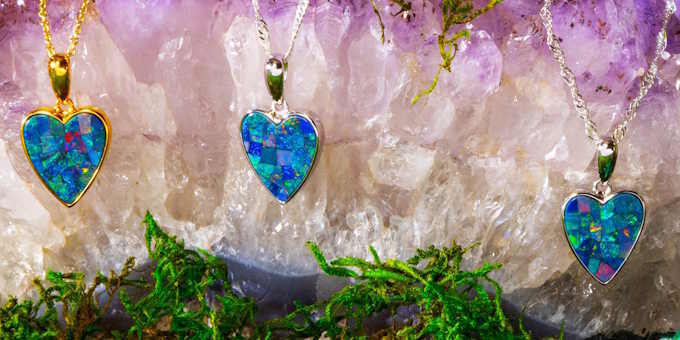
If you’d rather build something specific around an Andamooka matrix stone, the custom hand-crafted opal jewelry service turns a loose gem into a finished ring, pendant, or pair of earrings designed around the piece itself. Browse the current opal pendants and necklaces or opal rings collections to see matrix opal set the way it wears best, protected, considered, and built to last.

References Worth Bookmarking
For deeper reading on the topics covered here, the Australian Opal Association’s code of ethics outlines disclosure standards for opal type and treatment. Geoscience Australia’s overview of opal fields explains the geology behind matrix formation. Technical literature on carbon impregnation treatment details how identification under magnification actually works.
FAQ
Is Andamooka Opal Valuable?
Andamooka opal can be valuable, particularly untreated crystal or matrix pieces with strong, well-distributed play-of-color. Treated matrix, the more common form on the market, typically sells at more modest prices because the darkening process is doing work the stone doesn’t do naturally.
How Much Is Matrix Opal Worth?
Matrix opal pricing varies widely based on treatment status, color strength, pattern, and size, with treated pieces generally more affordable and untreated crystal or large collector stones commanding higher prices. There’s no single number that applies across the category, so comparing similar treatment status and quality matters more than comparing raw prices.
What Is the Rarest Color of Opal?
Red is widely considered the rarest and most valued dominant hue in play-of-color opal, outranking orange, green, and blue in most pricing hierarchies. That said, rarity within any single color still depends heavily on pattern, brightness, and how evenly the color spreads across the stone.
What Is Matrix Opal?
Matrix opal is precious opal that formed within the pores of a host rock, usually limestone, rather than filling a single seam or void the way most opal does. The result is a patchy, mottled play-of-color that reads as part of the stone itself rather than a layer sitting on top of it.