7 advantages of natural earth-mined opals: beauty, rarity, value
Posted by AOD on 15th Apr 2026
7 advantages of natural earth-mined opals: beauty, rarity, value
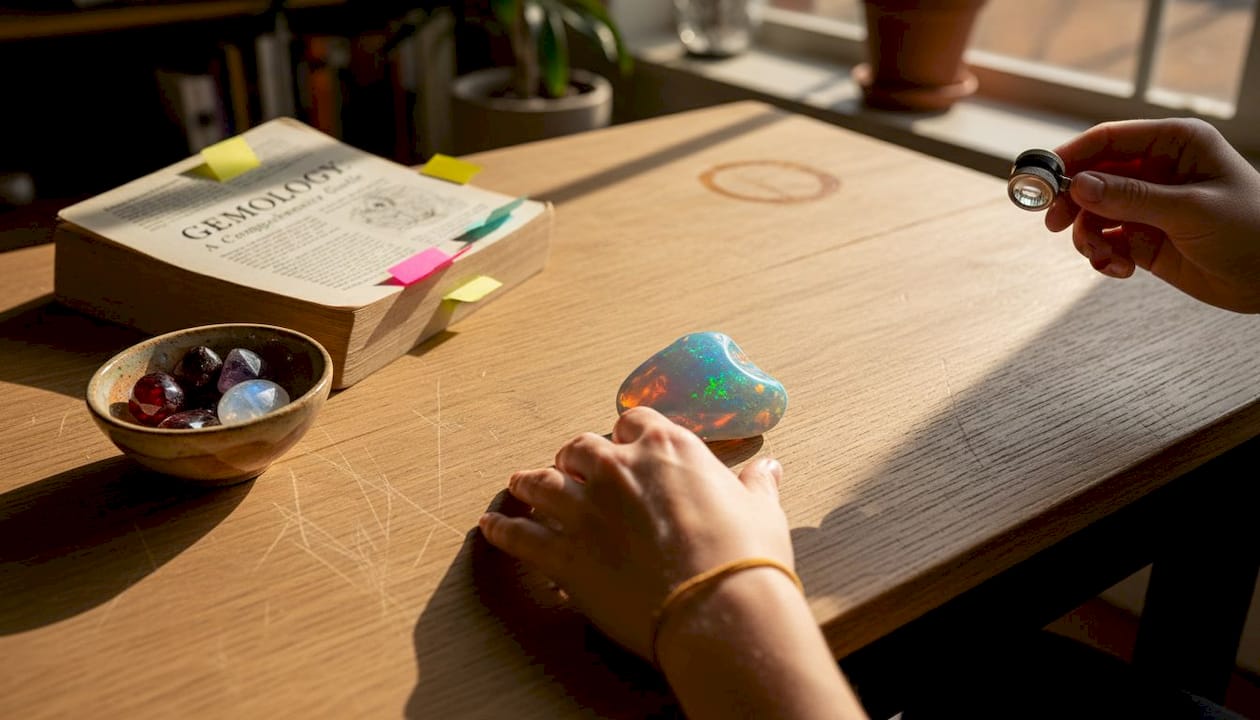
Every serious collector eventually faces the same crossroads: a lab-created opal that dazzles under the showroom light, priced attractively and flawlessly uniform, sitting beside a natural earth-mined stone that pulses with something harder to name. The difference is not merely visual. Earth-mined opals carry geological time, cultural weight, and a singular identity that no laboratory process can manufacture. Across seven distinct advantages, this article reveals why discerning collectors and jewelry lovers consistently choose nature’s originals, and what actionable criteria you can use to make confident, informed decisions about authenticity, rarity, and long-term value.
Table of Contents
- Unmatched authenticity and natural beauty
- Rarity and global significance of Australian opals
- Enduring value and investment potential
- Ethical sourcing and sustainable legacy
- The overlooked advantage: Each opal is a one-of-one legacy
- Explore the world’s finest earth-mined opals
- Frequently asked questions
Key Takeaways
| Point | Details |
|---|---|
| Nature’s uniqueness | No two natural earth-mined opals are alike, making each piece a one-of-one for collectors. |
| Australian opal rarity | Australian earth-mined opals supply 95 percent of the world’s precious opals and are increasingly valuable. |
| Enduring investment | Top-grade natural opals appreciate in value due to their rarity, especially black opals from Lightning Ridge. |
| Ethical sourcing | Australian opals are traceable to ethical mines, supporting local communities and responsible collectors. |
Unmatched authenticity and natural beauty
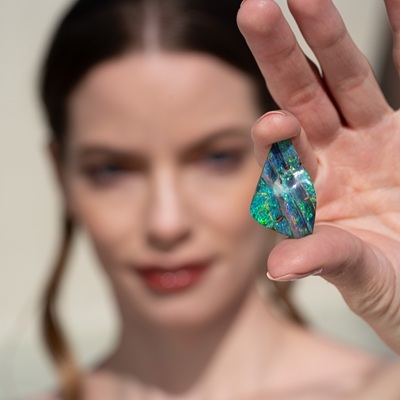
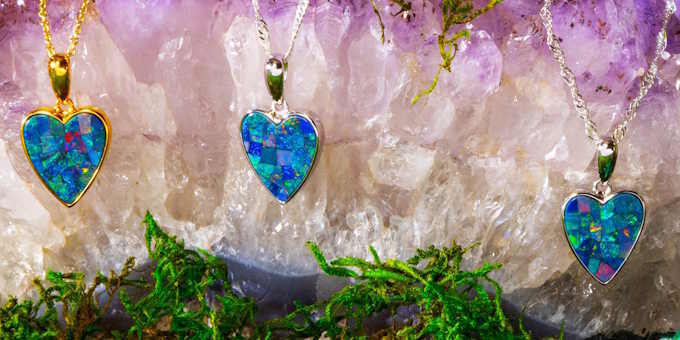
When light strikes a genuine earth-mined opal, something extraordinary happens. Colors dance and flicker across its surface in a phenomenon gemologists call play-of-color, a visual spectacle produced by the diffraction of light through tightly packed, microscopic silica spheres arranged over millions of years beneath the Australian earth. No two arrangements are ever identical. Each stone becomes a canvas for nature’s art, displaying patterns that range from rolling broad flash to the legendary harlequin, a mosaic of angular color patches so rare it commands premium prices worldwide.
Laboratory-created opals can mimic this effect with impressive precision. But collectors who study both quickly notice a fundamental difference. Synthetic stones carry a mechanical regularity, a too-perfect repetition in their color patterns that betrays their origin. Natural opals, by contrast, carry organic inclusions, subtle color zoning, and unrepeatable structural variations that are not flaws but fingerprints. These characteristics are precisely what expert graders and seasoned collectors seek.
The advantages of Australian opals extend beyond aesthetics into the realm of grading. As the International Gem Society notes, opal grading lacks universal standards like diamonds; value hinges on play-of-color brightness, pattern type such as harlequin, and body tone rated on a scale from N1 to N4, with black the highest. Understanding this framework transforms how you evaluate any stone.
“A natural opal’s beauty is not manufactured. It is earned across geological time, and no two stones will ever tell the same story.”
The benefits of opal jewelry go deeper than surface brilliance. Natural inclusions, potch layers, and the organic matrix of a genuine stone give it a living quality that synthetic alternatives simply cannot replicate.
Pro Tip: Hold a suspected natural opal under a loupe and look for slight irregularities in color distribution and subtle inclusions. A perfectly uniform pattern across the entire surface is a strong indicator of laboratory origin.
- Look for rolling color flash that shifts as the stone moves
- Seek patterns with depth, not just surface-level color
- Ask for a gemological certificate confirming natural origin
- Examine body tone under neutral daylight, not just artificial light
Rarity and global significance of Australian opals
Having established their unique appearance, let’s explore what makes Australian earth-mined opals so rare and culturally important. The numbers tell a striking story. Australia supplies 95% of the world’s precious opals, making the country the undisputed custodian of one of Earth’s most coveted gemstones. This is not a marketing claim. It is a geological reality rooted in the ancient inland sea that once covered central Australia, leaving behind the silica-rich sedimentary conditions that give birth to precious opal.
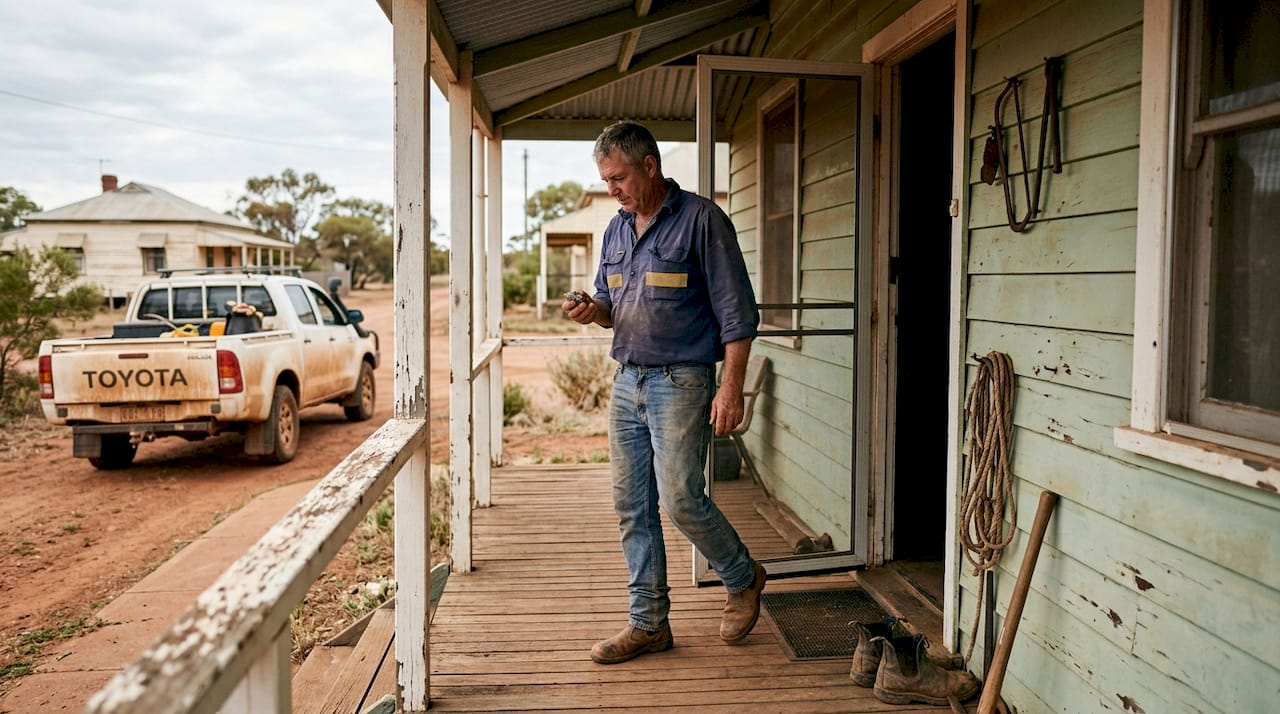
Major Australian opal-producing regions
| Region | Opal type | Rarity level |
|---|---|---|
| Lightning Ridge, NSW | Black opal | Extremely rare |
| Coober Pedy, SA | White/crystal opal | Rare |
| Queensland | Boulder opal | Rare to moderately rare |
| Mintabie, SA | Semi-black opal | Rare |
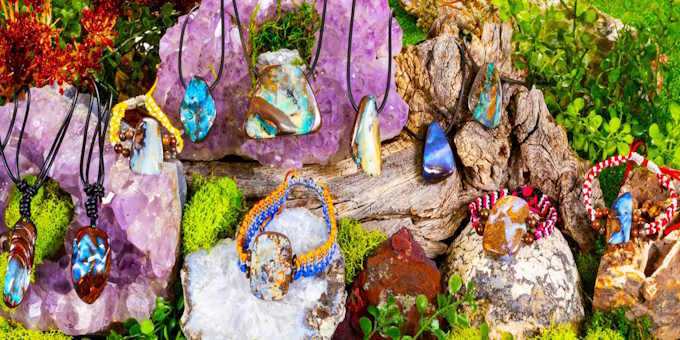
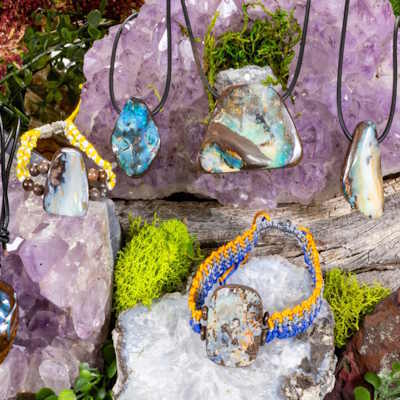
Each region produces stones with a distinct personality. Lightning Ridge black opals, with their dark body tone that amplifies color play to near-celestial intensity, are considered the finest opals on Earth. Coober Pedy’s white opals offer milky elegance and broad color play. Queensland boulder opals, formed within ironstone host rock, carry a dramatic natural matrix that collectors prize for its raw, geological honesty.
For collectors researching provenance, Lightning Ridge opals key facts offer essential context on what separates these stones from all others. The reasons for choosing Australian opals are deeply rooted in this irreplaceable geographic heritage.
- Australia’s opal fields span over 1 million square kilometers
- Lightning Ridge production has declined significantly over recent decades
- Precious opal forms over 5 to 6 million years under specific pressure and silica conditions
- Australian opal holds status as the country’s national gemstone
Scarcity is not a talking point here. It is a measurable, documented reality that directly influences value trajectory for every collector who plans ahead.
Enduring value and investment potential
Beyond rarity, collectors and investors want to know: will these opals hold or appreciate in value? Here’s the evidence. Investment-grade natural black opals from Lightning Ridge appreciate in value over decades due to depleting mines and rising collector demand, outperforming some traditional asset classes. This is not speculation. It reflects the basic economic principle of finite supply meeting growing global interest.
Earth-mined opals vs. other collectible assets
| Asset | Supply trajectory | Value trend | Collectibility |
|---|---|---|---|
| Lightning Ridge black opal | Declining | Appreciating | Very high |
| Lab-created opal | Unlimited | Stable/declining | Low |
| Diamond (investment grade) | Controlled | Stable | High |
| Gold | Finite but abundant | Appreciating | Moderate |
For collectors building a meaningful portfolio, the key factors driving opal value growth are worth understanding clearly.
- Rarity of source: Mines at Lightning Ridge are producing less, not more, each year
- Provenance documentation: Stones with verified origin command significantly higher premiums
- Brightness and pattern grade: Harlequin and rolling flash patterns at high brightness are the rarest
- Collector demand: Global interest in Australian opals has grown steadily across Asian and European markets
- Mining decline: As accessible seams are exhausted, replacement supply becomes structurally impossible
Exploring investing in opal jewelry reveals how seasoned collectors approach this asset class with the same rigor they apply to fine art or rare coins. A thorough invest in Australian opals guide can help you identify the specific characteristics that distinguish a decorative purchase from a genuine investment-grade acquisition.
“A fine black opal from Lightning Ridge is not simply a gemstone. It is a fragment of geological time that the market increasingly recognizes as irreplaceable.”
Ethical sourcing and sustainable legacy
Collectors now care about more than value. Ethics and legacy are increasingly important. Here’s what makes earth-mined opals the responsible choice. Genuine Australian opals, sourced through transparent supply chains, carry a provenance story that connects the stone to a specific mine, a specific community, and a specific set of labor practices. This traceability is something laboratory stones can never offer, because their origin is a factory, not a landscape with a human story attached.
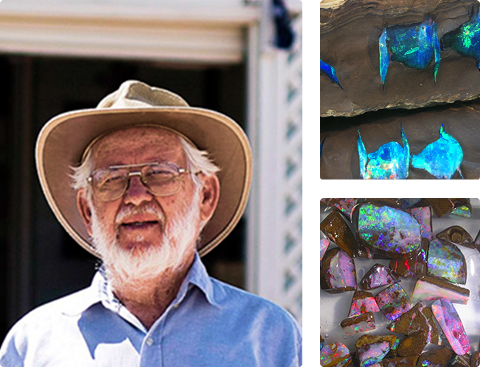
Australia’s opal mining communities, from the underground dugouts of Coober Pedy to the red plains around Lightning Ridge, represent generations of skilled fossickers and miners whose livelihoods depend on ethical, sustainable extraction. When you purchase a verified earth-mined Australian opal, you participate in that legacy. As Australia’s national gemstone, the opal carries cultural significance that extends well beyond its market price.
Understanding what makes Australian opals unique in the luxury jewelry world includes recognizing this ethical dimension. Knowing how to authenticate Australian opals is equally important for ensuring your purchase reflects genuine sourcing.
Pro Tip: When purchasing, always ask your dealer for the opal’s region of origin, the name of the mine or mining field if available, and any accompanying certificates from recognized gemological bodies. Reputable sellers will provide this information without hesitation.
- Verify origin documentation before purchase
- Choose dealers with direct-miner relationships
- Ask about fair labor practices within the supply chain
- Consider stones with accompanying gemological reports
- Prioritize sellers who can trace each stone to a specific Australian region
An ethically sourced opal is not just a beautiful object. It is a piece of jewelry you can pass to the next generation with a clear conscience and a compelling story.
The overlooked advantage: Each opal is a one-of-one legacy
Charts and value comparisons tell part of the story. But there is a quieter, more profound advantage that experienced collectors return to again and again. An earth-mined opal is a singular fragment of Earth’s own history, shaped across millions of years by pressure, silica, and time. No laboratory can replicate that biography.
When you hold a natural opal, you hold something that has never existed before and will never exist again in quite the same form. The significance of opal in jewelry across cultures reflects this intuition. Ancient Romans called it opalus, the stone of hope. Indigenous Australians wove it into creation stories. Modern collectors recognize it as the ultimate one-of-one acquisition.
Laboratory stones can be reproduced endlessly. Natural opals cannot. This irreplicability is what transforms a gemstone purchase into a legacy decision. Heirloom opals become the centerpiece of family narratives, passed between generations with growing emotional and financial weight. For collectors who think in decades rather than seasons, that distinction is everything.
Explore the world’s finest earth-mined opals
If you’re ready to go beyond admiring opals from afar, start your collection with trusted expertise. Australian Opal Direct connects collectors directly with ethically sourced, expertly authenticated opals from Lightning Ridge, Coober Pedy, and Queensland’s most storied mining fields.

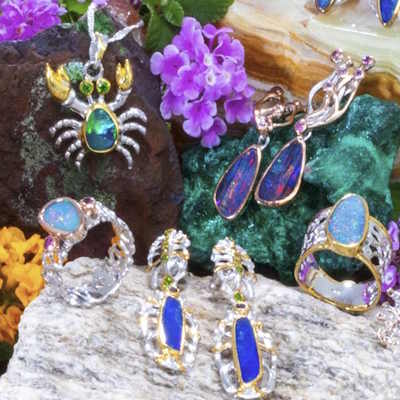
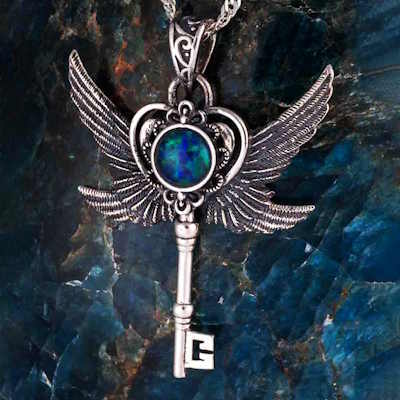
Every piece in the collection carries the provenance, craftsmanship, and gemological integrity that serious collectors demand. Whether you seek a statement ring, a pendant rich with kaleidoscopic brilliance, or a rare black opal for your investment portfolio, the best opal jewelry is waiting. Explore curated selections, learn from expert storytelling behind each stone, and take the next step toward owning a piece of Earth’s most extraordinary natural art.
Frequently asked questions
What makes a natural earth-mined opal valuable?
A natural earth-mined opal’s value depends on its rarity, play-of-color brightness, unique pattern, and verified provenance, with Australian black opals among the most sought-after stones globally. As the Opal Buying Guide confirms, value hinges on brightness, pattern, and body tone rather than a single universal standard.
Are Australian opals really that rare?
Australia supplies 95% of the world’s precious opals, and varieties like Lightning Ridge black opals are becoming increasingly scarce as accessible mining seams are exhausted. This finite supply is a key driver of long-term collector value.
Do earth-mined opals increase in value over time?
High-grade earth-mined opals, particularly from Lightning Ridge, have appreciated over decades as mines deplete and global collector demand rises. Investment-grade stones with strong provenance and top brightness grades show the most consistent appreciation.
How can I ensure my opal is ethically sourced?
Buy from reputable dealers with transparent sourcing, and always ask for details on the stone’s region of origin, mining practices, and any available gemological certifications. As Australia’s national gemstone, genuine Australian opals carry deep cultural significance that ethical dealers are proud to document and share.
Recommended
- 7 Exquisite Examples of Rare Opals for Collectors - Australian Opal Direct
- 7 Key Benefits of Opal Jewelry for Discerning Collectors - Australian Opal Direct
- 7 Key Advantages of Australian Opals for Jewelry Lovers - Australian Opal Direct
- Why Choose Natural Opals: Authenticity and Rarity - Australian Opal Direct