Why Choose Natural Opals: Authenticity and Rarity
Posted by AOD on 13th Feb 2026
Why Choose Natural Opals: Authenticity and Rarity
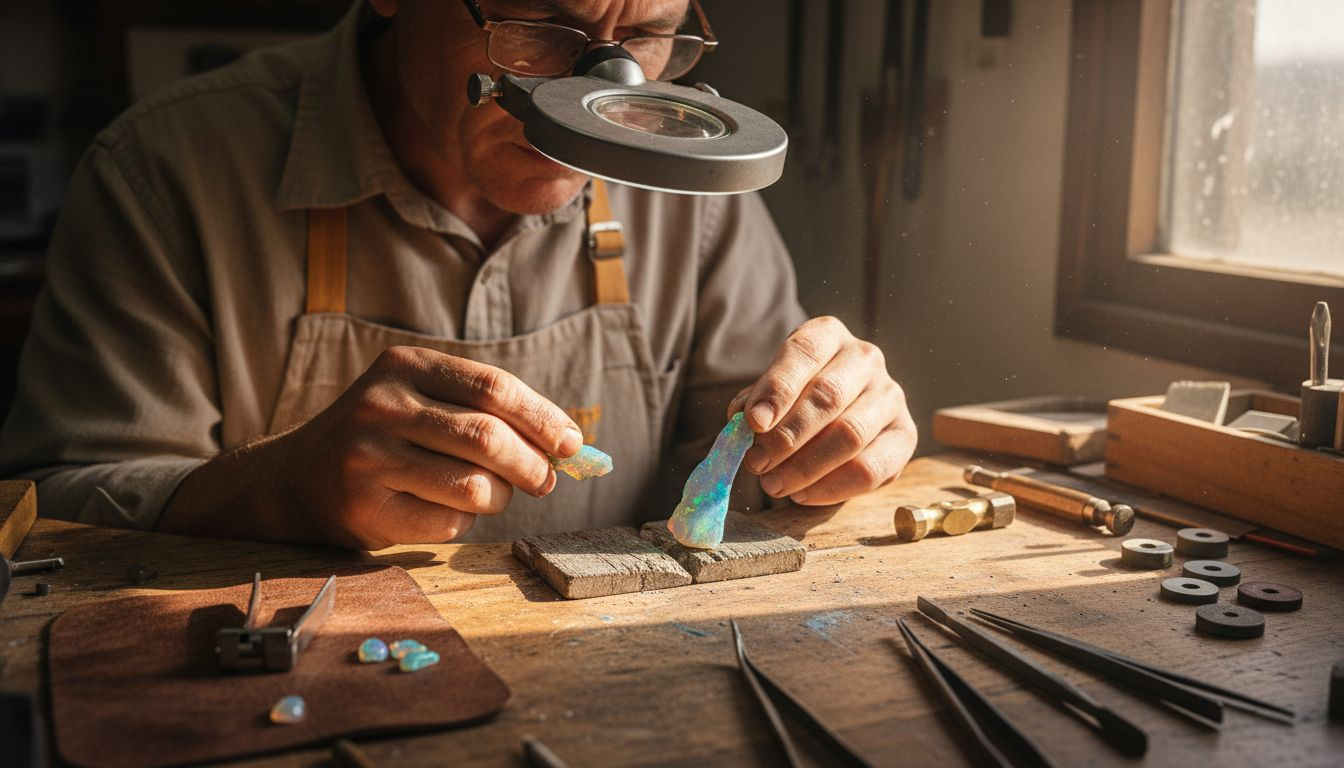
Choosing an opal is not simply a matter of color but a pursuit of authenticity and artistry. For those who value genuine craftsmanship and ethical origins, Australian opals stand apart as natural wonders formed under rare geological conditions. Their remarkable play-of-color—a kaleidoscopic spectrum created by the intricate arrangement of silica spheres—ensures each gem is truly unique. This article reveals what sets natural opals apart, from their mesmerizing structure to the importance of responsible sourcing.
Table of Contents
- What Makes Natural Opals Unique
- Major Types of Natural Opals Explained
- How Natural Opals Compare to Synthetics
- The Value of Ethical Sourcing and Origin
- Investment, Care, and Common Pitfalls
Key Takeaways
| Point | Details |
|---|---|
| Natural Opal Formation | Natural opals are formed through complex geological processes involving silica nanosphere arrangements that create unique color displays. |
| Opal Types | Major types of natural opals include Precious Opals, Fire Opals, Hydrophane Opals, and Common Opals, each with distinct visual and structural characteristics. |
| Natural vs. Synthetic | Natural opals possess irregular silica arrangements and unique color patterns, while synthetic opals offer uniformity lacking the same geological complexity. |
| Ethical Sourcing | Ethical sourcing is essential in opal procurement, emphasizing environmental responsibility and fair compensation for mining communities. |
What Makes Natural Opals Unique
Natural opals represent extraordinary geological treasures with remarkable characteristics that distinguish them from other gemstones. These rare minerals emerge through complex geological processes involving precise environmental conditions and intricate silica formations. Their distinctive play-of-color creates mesmerizing rainbow displays that cannot be perfectly replicated in synthetic stones.
The unique formation process of natural opals involves several extraordinary elements:
- Silica nanosphere arrangements creating prismatic color displays
- Precise aqueous alteration of volcanic and sedimentary rock structures
- Hydrogel cement compositions developed over millions of years
- Specific environmental conditions like semi-desert climates
Natural opals develop through an incredibly sophisticated process where silica nanostructures arrange themselves in extraordinarily precise geometric patterns. These intricate structures transform ordinary rock formations into spectacular gemstones with internal light-refracting capabilities that produce breathtaking color transitions. Unlike manufactured stones, each natural opal represents a completely unique geological artifact, with variations in silica sphere arrangements producing individual color patterns.
Geological researchers have discovered that natural opals form through complex interactions between water, silicate rocks, and specific mineral environments. The rare geological conditions required for their creation make each stone a remarkable testament to Earth’s intricate natural processes. Temperature, mineral content, and geological time all contribute to creating these extraordinary gems.
Pro tip: When evaluating natural opals, look for subtle variations in color patterns that indicate genuine geological formation processes.
Major Types of Natural Opals Explained
Natural opals represent a fascinating spectrum of gemstones with diverse characteristics and formations. Geologists and gemologists categorize these remarkable stones based on several critical factors including their internal structure, chemical composition, and visual properties. Understanding the major types of natural opals provides insight into their unique geological origins and aesthetic variations.
The primary classifications of natural opals include:
- Precious Opals: Characterized by vibrant play-of-color phenomena
- Fire Opals: Distinguished by warm, intense body colors
- Hydrophane Opals: Unique ability to absorb and change appearance with water
- Common Opals: Lacking play-of-color, with more uniform appearance
Microstructural variations define each opal type, with precious opals representing the most valuable and sought-after category. These stones feature intricate silica nanosphere arrangements that create mesmerizing rainbow-like color displays. The rare geological conditions required for their formation make each precious opal a unique geological artifact with individual color patterns and internal light-refracting capabilities.
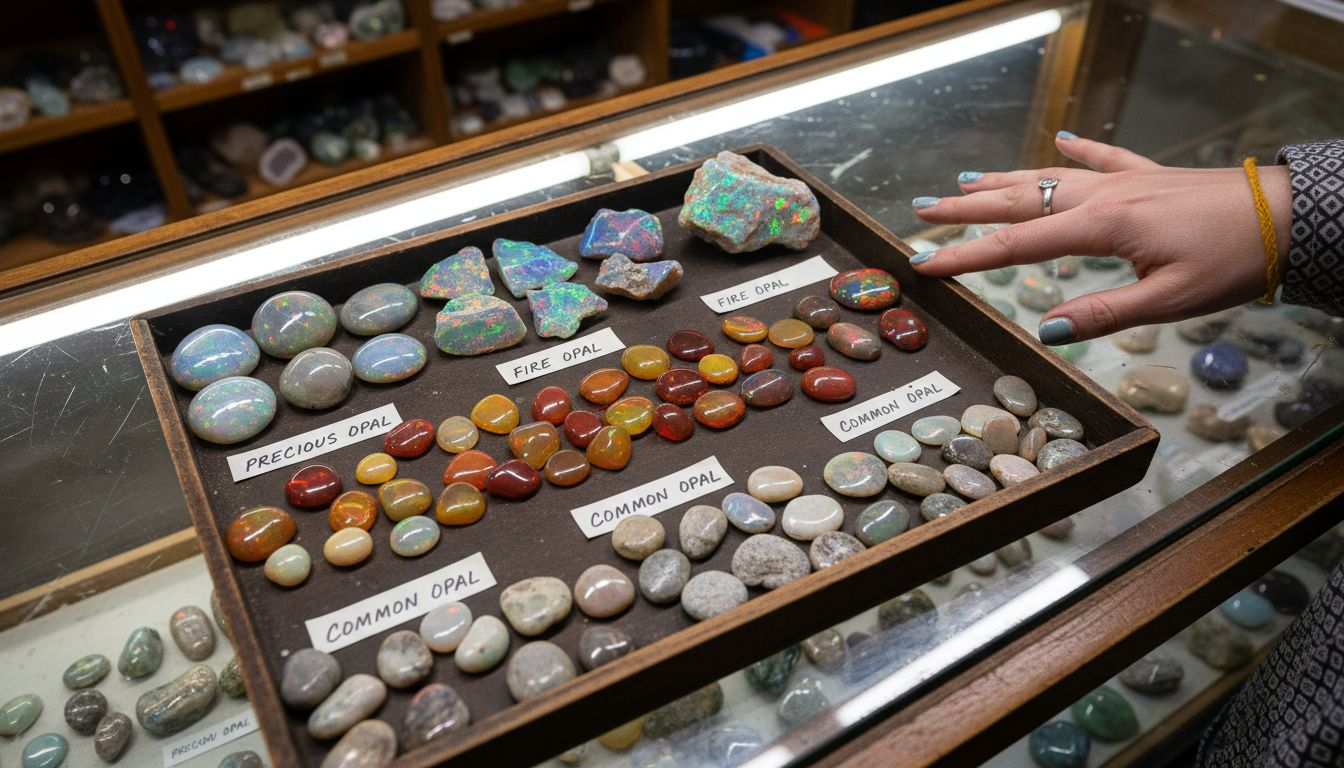
Geographical origins further distinguish opal types, with regions like Australia producing some of the world’s most exceptional specimens. Sedimentary opals formed in semi-desert environments differ significantly from volcanic opals, each carrying distinct mineral signatures and color characteristics. These variations reflect the complex geological processes that transform ordinary rock formations into extraordinary gemstones.
Here’s a comparison of major natural opal types and their distinct features:
| Opal Type | Visual Appearance | Water Interaction | Typical Origin |
|---|---|---|---|
| Precious Opal | Vivid play-of-color | Low water absorption | Australia, Ethiopia |
| Fire Opal | Bright red or orange body color | Minimal color play, translucent | Mexico, Brazil |
| Hydrophane Opal | Milky, shifts when wet | Absorbs water, changes clarity | Ethiopia, Australia |
| Common Opal | Uniform pastel or white color | Little to no color play | Worldwide |
Pro tip: Examine opals under natural light to best appreciate their unique color variations and internal structures.
How Natural Opals Compare to Synthetics
The world of gemstones presents a fascinating contrast between natural opals and their synthetic counterparts, revealing nuanced differences that extend far beyond visual appearances. While synthetic opals have made significant technological advances, they cannot fully replicate the extraordinary complexity of naturally formed stones. Authenticity remains the key distinguishing factor between these two types of opals.
Key differences between natural and synthetic opals include:
- Structural complexity: Natural opals feature more irregular silica sphere arrangements
- Geological formation: Synthetic stones lack millions of years of geological evolution
- Color variations: Natural opals display more subtle and unpredictable color patterns
- Internal microstructure: Laboratory-created stones have more uniform internal structures
The play-of-color phenomenon represents the most critical differentiator between natural and synthetic opals. Natural stones develop intricate, randomly distributed silica nanospheres through complex geological processes, creating truly unique color displays. Synthetic opals, while visually impressive, typically demonstrate more predictable and uniform color patterns that lack the subtle variations found in earth-mined stones. Rare geological conditions contribute to the extraordinary individuality of natural opals, making each stone a one-of-a-kind geological artifact.
Professional gemologists employ sophisticated techniques to distinguish natural from synthetic opals, examining microscopic variations in structural composition and light-refracting properties. These detailed assessments reveal that while synthetic opals can be aesthetically beautiful, they fundamentally differ from natural stones in their internal complexity and geological heritage. The imperfections and subtle variations in natural opals are not flaws but rather testament to their remarkable formation process.
Below is a summary of signs differentiating natural and synthetic opals:
| Indicator | Natural Opal Details | Synthetic Opal Clues |
|---|---|---|
| Color Pattern Variability | Irregular, unpredictable shifts | Even, repetitive color bands |
| Internal Structure (Microscope) | Random silica spheres of varying sizes | Uniform, regular sphere patterns |
| Geological Origin Evidence | Traceable and well-documented regional source | Often generic or lab-indicated |
| Value Perception | Highly valued for uniqueness and rarity | Lower due to reproducibility |
Pro tip: When purchasing opals, request a professional gemological certification to verify the stone’s natural origin and authentic characteristics.
The Value of Ethical Sourcing and Origin
Ethical sourcing represents a critical consideration for discerning opal buyers, transcending mere aesthetic appreciation to encompass broader environmental and social responsibilities. The journey of a natural opal from geological formation to final jewelry piece involves complex interactions between mining communities, environmental preservation, and responsible commercial practices. Transparency and accountability have become fundamental principles in the modern gemstone marketplace.
Key aspects of ethical opal sourcing include:
- Protecting indigenous land rights and mining communities
- Minimizing environmental disruption during extraction
- Ensuring fair compensation for local miners
- Maintaining transparent supply chain documentation
- Preventing illegal mining and trading practices
Australia stands at the forefront of ethical opal production, with rare geological conditions that not only create exceptional gemstones but also support responsible mining practices. The geological regions of Lightning Ridge and Coober Pedy represent more than just geographic locations—they embody a commitment to sustainable extraction methods that respect both the natural environment and the local communities engaged in mining.
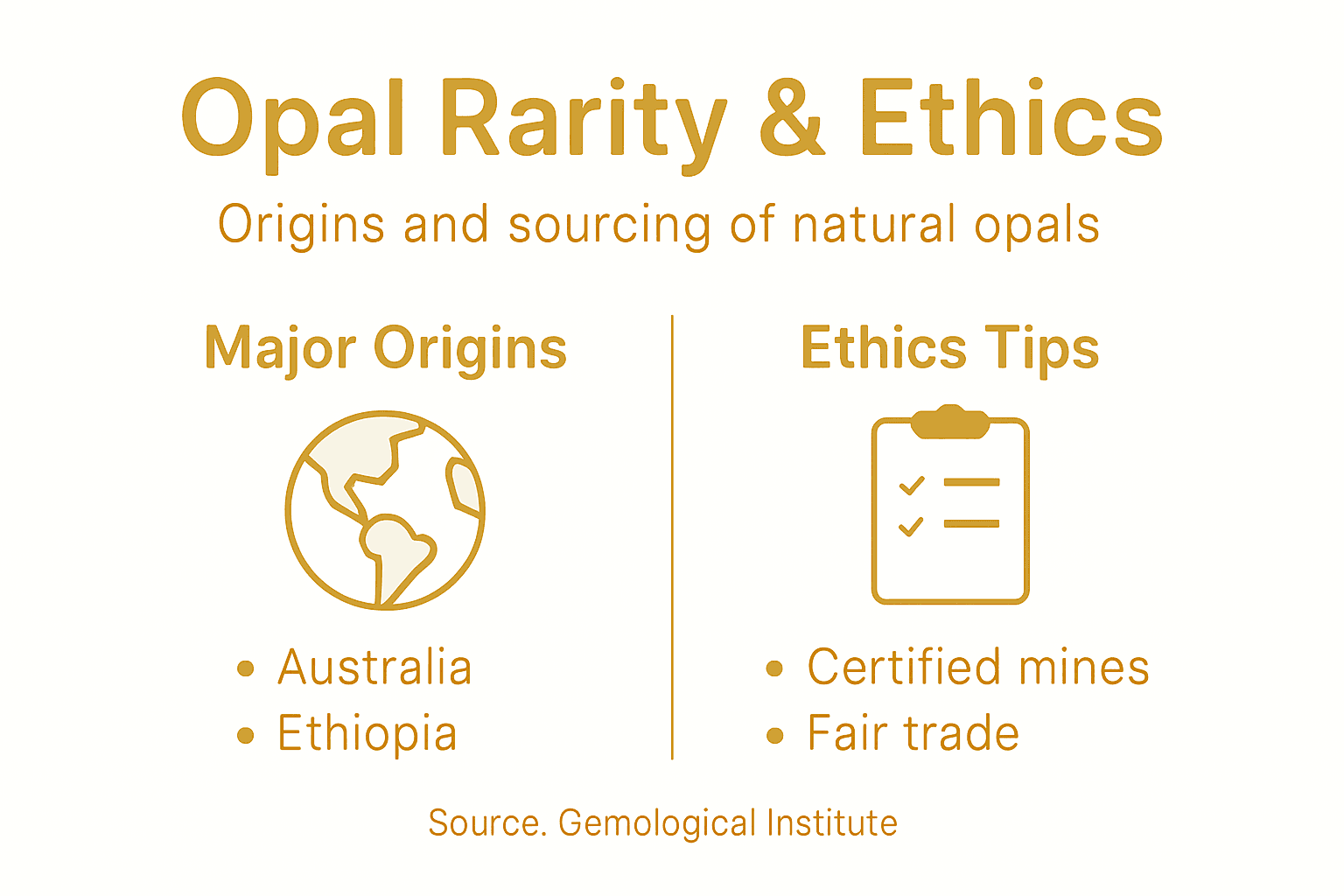
Professional gemologists and ethical sourcing experts emphasize the importance of provenance in determining an opal’s true value. Beyond the visual beauty of the stone, consumers increasingly seek verification of its origin, understanding that each opal carries a complex narrative of geological formation and human interaction. The most valuable opals are those that can demonstrate not just exceptional quality, but also a transparent and responsible path from earth to market.
Pro tip: Request detailed documentation about an opal’s origin and mining practices before making a purchase to ensure ethical procurement.
Investment, Care, and Common Pitfalls
Investing in natural opals requires a nuanced understanding of their delicate nature and unique characteristics. These extraordinary gemstones represent more than mere aesthetic acquisitions—they are complex geological artifacts that demand specialized knowledge and careful preservation. Informed collectors recognize that an opal’s value extends far beyond its initial purchase price, encompassing long-term care and preservation strategies.
Key considerations for opal investment and maintenance include:
- Understanding the stone’s inherent fragility
- Maintaining consistent environmental conditions
- Avoiding exposure to harsh chemicals or extreme temperatures
- Protecting against physical impact and scratching
- Regular professional assessments of the stone’s condition
Natural opals possess a remarkable sensitivity to environmental conditions, particularly temperature and humidity. Their internal water content makes them vulnerable to cracking or structural changes when subjected to rapid climate shifts. Rare geological conditions that create these stones also contribute to their delicate nature, requiring collectors to develop sophisticated preservation techniques that protect their intrinsic value and visual brilliance.
Professional gemologists warn about several common investment pitfalls that can significantly diminish an opal’s worth. Inexperienced buyers often overlook critical factors such as authenticity verification, origin documentation, and subtle indicators of potential structural weaknesses. The most valuable opals are those that demonstrate not just aesthetic beauty, but also a well-documented provenance and impeccable maintenance history.
Pro tip: Store opals in a soft, padded environment with consistent humidity and temperature to prevent structural degradation and preserve their unique play-of-color.
Discover the Authentic Brilliance of Natural Opals with Australian Opal Direct
Understanding the rarity and authenticity challenges surrounding natural opals is critical when selecting a gemstone that truly reflects Earth’s extraordinary geological artistry. If you seek opals with genuine play-of-color, verified provenance, and ethical sourcing that respects both nature and mining communities, your search ends here. Avoid the pitfalls of synthetic imitations and poorly documented origins by choosing opals with a well-established geological narrative and structural complexity.
Experience the difference of ethically sourced Australian opals from renowned regions like Lightning Ridge and Coober Pedy. At Australian Opal Direct, every piece—from dazzling rings to custom pendants—tells a story of natural formation and expert craftsmanship supported by direct miner relationships. With benefits like free shipping, complimentary insurance, and a 90-day warranty, you can invest confidently in a gemstone whose value transcends time.

Elevate your collection with an opal that embodies rarity and authenticity. Explore our curated selections and uncover the enduring energy and exquisite color play in every stone. Visit Australian Opal Direct today to secure your own piece of Australia’s rare geological treasures and experience the true beauty of natural opals firsthand.
Frequently Asked Questions
What are natural opals and what makes them unique?
Natural opals are extraordinary geological treasures formed through complex geological processes, featuring unique silica nanosphere arrangements that create stunning play-of-color phenomena. Each stone is a one-of-a-kind artifact reflecting intricate natural processes.
How can I identify a natural opal versus a synthetic one?
To distinguish a natural opal from a synthetic one, look for irregular and unpredictable color patterns, random internal structures under a microscope, and documented geological origins. Natural opals also carry a unique history of formation not found in laboratory-created stones.
What types of natural opals are available, and how do they differ?
The major types of natural opals include precious opals, fire opals, hydrophane opals, and common opals. Each type varies in visual appearance, water interaction, and origin, reflecting unique geological processes and aesthetic characteristics.
How should I care for and maintain my natural opals?
To maintain natural opals, store them in a soft, padded environment with consistent humidity and temperature. Avoid exposure to harsh chemicals and physical impacts, and regularly assess the stone’s condition with a professional to preserve its value and visual brilliance.
Recommended
- Opal Stone 101: History, Symbolism, and Uses - Australian Opal Direct
- 7 Key Benefits of Opal Jewelry for Discerning Collectors - Australian Opal Direct
- Rare Opals Explained: Identifying Value and Rarity - Australian Opal Direct
- Why Choose Opal Engagement Rings: Complete Guide - Australian Opal Direct
- GeoKeeps - Custom Map Jewelry | Personalized Necklaces & Pendants