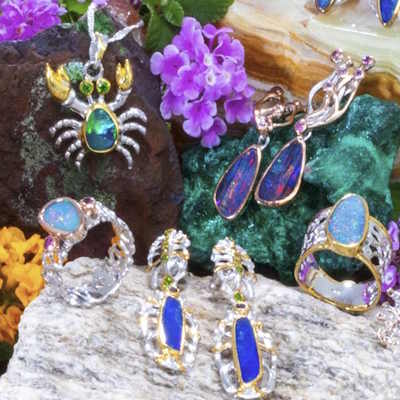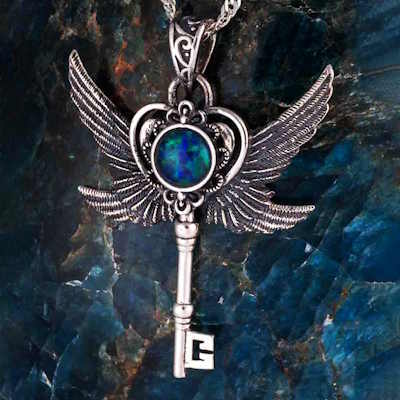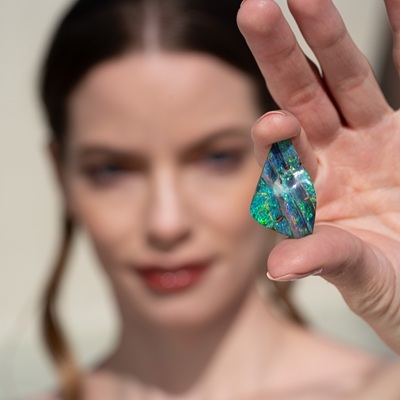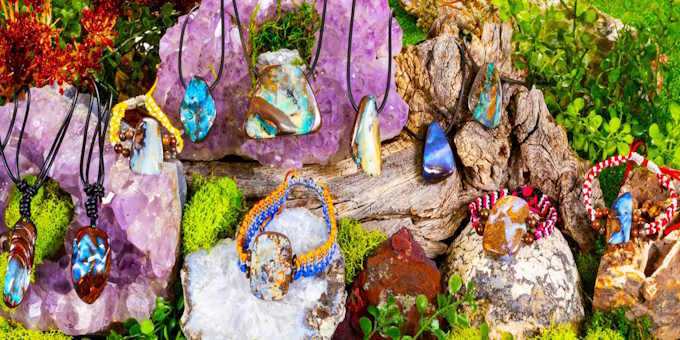
What Is Opal Triplet and Its Value to Collectors
Posted by AOD on 10th Jan 2026
What Is Opal Triplet and Its Value to Collectors

Most collectors are surprised to learn that Australian opal triplets now rival solid stones in both craftsmanship and investment potential, capturing the attention of American and international gem enthusiasts alike. As ethically sourced gems become a focal point for luxury buyers, these layered opals offer a vivid display of color and exceptional durability at a fraction of the cost of their solid counterparts. Discover what truly sets Australian opal triplets apart in terms of authenticity, artistry, and long-term value.
Table of Contents
- What Defines An Opal Triplet
- Key Features And Layered Structure
- Opal Triplet Versus Doublet And Solid Opals
- Authenticity, Value, And Collector Appeal
- Care, Risks, And Longevity Considerations
Key Takeaways
| Point | Details |
|---|---|
| Opal Triplet Composition | An opal triplet consists of three layers: a thin slice of genuine opal, a dark base, and a transparent top layer, enhancing both beauty and durability. |
| Comparison with Other Opals | Triplets provide a budget-friendly alternative to solid opals, offering enhanced structural integrity with added visual appeal. |
| Authenticity and Value | Buyers should seek certification for opal triplets, verifying the quality and origin of each layer to ensure authenticity and value. |
| Maintenance Practices | Proper care, including gentle cleaning and appropriate storage, is crucial for preserving the integrity and visual brilliance of opal triplets. |
What Defines an Opal Triplet
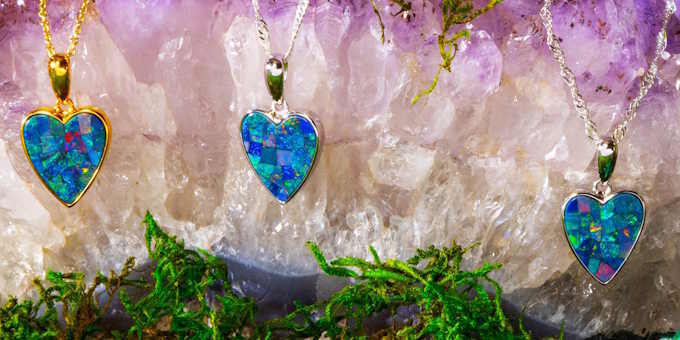
An opal triplet is a sophisticated layered gemstone construction designed to enhance the beauty and durability of natural opals. Unlike solid opals, these intricate gemstones combine three distinct layers: a thin slice of genuine opal sandwiched between a protective base and a transparent protective top layer. The base is typically made from materials like black onyx, ironstone, or dark gray potch (common opal), while the transparent top layer is usually created from clear quartz or crystal glass.
The strategic composition of an opal triplet allows collectors to enjoy the mesmerizing play of color characteristic of opals at a more affordable price point. By using a thin slice of precious opal, artisans can create stunning gemstones that showcase the vibrant color patterns and unique optical effects of high-quality opals without the significant cost of a solid stone. Understanding the different types of opals can help collectors appreciate the nuanced craftsmanship behind these layered gemstones.
The three critical components of an opal triplet serve specific purposes. The base layer provides stability and often enhances the stone’s background color, creating a dramatic contrast that makes the opal’s color play more pronounced. The thin opal slice in the middle represents the genuine, precious material that delivers the characteristic iridescent display. The clear top layer acts as a protective dome, magnifying the opal’s colors while shielding the delicate opal slice from potential damage. This multi-layered approach allows jewelers to transform smaller or less perfect opal fragments into visually striking and structurally sound gemstones.
Pro Tip: When purchasing an opal triplet, always request certification that details the exact composition and origin of each layer to ensure authenticity and understand the true value of your gemstone.
Key Features and Layered Structure
The layered structure of an opal triplet is a masterful engineering of gemstone design that transforms modest opal fragments into stunning jewelry pieces. Each layer serves a critical purpose, creating a synergistic approach to highlighting the opal’s inherent beauty. The three-part composition typically consists of a dark base layer, a thin slice of genuine opal, and a transparent protective top layer, each meticulously selected to optimize the stone’s visual and structural characteristics.
Understanding the difference between opal doublets and triplets reveals the nuanced craftsmanship behind these gemstones. The base layer, often made from black onyx or dark potch, creates a dramatic backdrop that intensifies the opal’s color play. Black materials are strategically chosen because they provide maximum color contrast, making the opal’s internal fire appear more vibrant and intense. This dark foundation acts like a canvas, dramatically enhancing the stone’s optical properties and creating a more visually striking effect.
The middle layer represents the heart of the opal triplet - a thin, carefully selected slice of genuine opal that contains the mesmerizing play of color. Typically measuring just 0.5 to 1.5 millimeters thick, this delicate opal section is chosen for its exceptional color patterns and optical characteristics. The transparent top layer, usually crafted from clear quartz or crystal glass, serves multiple functions. It protects the fragile opal slice, magnifies the stone’s internal color display, and creates a dome-like effect that adds depth and dimension to the gemstone. This protective layer also increases the stone’s durability, preventing direct damage to the precious opal beneath.

Pro Tip: When evaluating an opal triplet, examine the transparency and quality of the top layer, as a high-quality protective dome can significantly enhance the stone’s overall visual appeal and longevity.
Opal Triplet Versus Doublet and Solid Opals
Opal varieties represent a fascinating spectrum of gemstone construction, with triplets, doublets, and solid opals each offering unique characteristics that appeal to different collector preferences and budgets. While solid opals represent the most premium and pure form of the gemstone, triplets and doublets provide more accessible alternatives that maintain the mesmerizing optical properties collectors cherish. What is a doublet opal reveals the intricate methods jewelers use to enhance and protect these remarkable stones.
The primary distinction between these opal types lies in their structural composition. Solid opals are completely natural gemstones, formed entirely from precious opal material with no additional layers or treatments. They showcase the most vibrant and uninterrupted play of color, making them the most valuable and sought-after by serious collectors. In contrast, opal doublets consist of two layers - a thin slice of genuine opal mounted on a dark base material, typically black potch or ironstone. Opal triplets take this concept further by adding a protective transparent dome on top, creating a three-layer structure that enhances durability and visual appeal.
Each opal variety offers distinct advantages for collectors. Solid opals represent the pinnacle of natural beauty, with prices reflecting their pure, unaltered composition. Doublets provide a more budget-friendly option, allowing collectors to enjoy genuine opal’s color play at a reduced cost. Triplets offer the most versatile solution, combining affordability with enhanced protection and magnification of the opal’s internal fire. The transparent top layer not only shields the delicate opal slice but also creates a magnifying effect that can make even smaller or less perfect opal fragments appear more vibrant and substantial.
Here is a side-by-side comparison of opal triplet, doublet, and solid opal characteristics:
| Type of Opal | Layers | Durability | Visual Enhancement | Typical Price Range |
|---|---|---|---|---|
| Triplet | Three | Most resistant due to protective dome | Magnifies color play | Most affordable |
| Doublet | Two | Moderate, lacks top protection | Enhances vibrancy, less magnification | Mid-range |
| Solid | One | Natural strength, no additives | Shows true natural color | Most expensive |
Pro Tip: When comparing opal types, always examine the stone under different light conditions to truly appreciate its unique color play and optical characteristics.
Authenticity, Value, and Collector Appeal
Opal triplets represent a sophisticated intersection of artistry, affordability, and gemological innovation that has captivated serious collectors worldwide. The true value of these layered gemstones extends far beyond their initial price point, encompassing intricate craftsmanship, scientific precision, and the potential for stunning visual display. Opal stone history and symbolism reveals the deep cultural significance that makes these gems so compelling to discerning collectors.
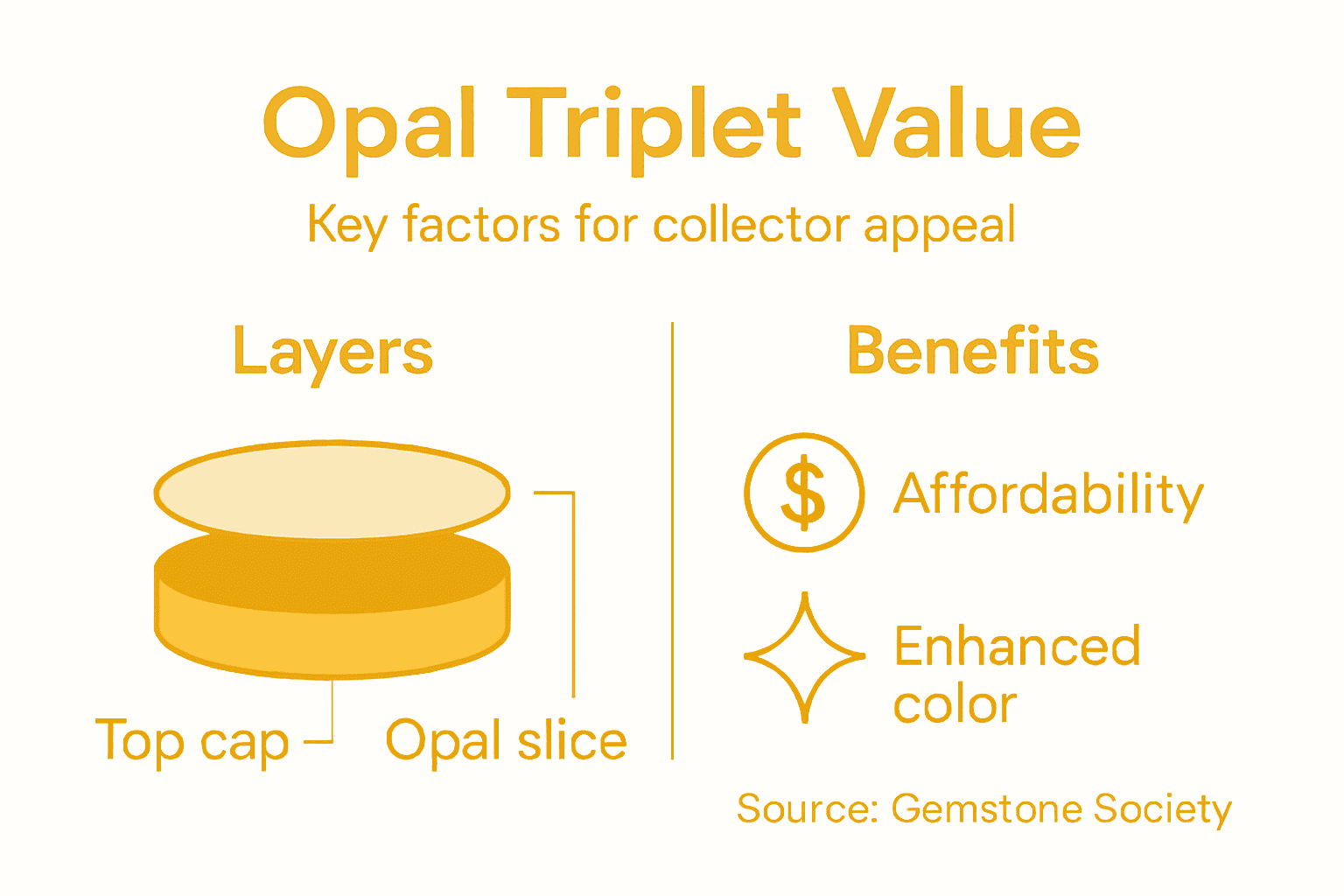
Authenticity in opal triplets hinges on several critical factors that distinguish genuine, high-quality specimens from lesser imitations. Expert collectors scrutinize the precision of layering, the quality of the opal slice, the transparency of the protective dome, and the consistency of the base material. The most valuable triplets demonstrate seamless integration between layers, with no visible gaps or imperfections in the bonding process. Skilled artisans carefully select each component to ensure maximum optical performance, creating a symbiotic relationship between the dark base, the vibrant opal slice, and the magnifying top layer.
The collector appeal of opal triplets stems from their unique ability to transform seemingly modest opal fragments into breathtaking display pieces. Unlike solid opals, which require large, high-quality rough stones, triplets allow collectors to appreciate the mesmerizing play of color in smaller, more affordable specimens. This democratization of opal collecting enables enthusiasts with varying budgets to own pieces that showcase the gem’s legendary fire and brilliance. The strategic layering not only enhances the visual impact but also provides additional durability, protecting the delicate opal slice from potential damage and extending the gemstone’s longevity.
Pro Tip: When assessing an opal triplet’s value, examine the stone under multiple light sources and angles to truly appreciate its color play and craftsmanship.
Care, Risks, and Longevity Considerations
Opal triplet maintenance requires a nuanced approach that balances preservation with careful handling. These delicate gemstones demand specific environmental and physical considerations to maintain their extraordinary visual appeal and structural integrity. Unlike solid opals, triplets have multiple layers that can be susceptible to unique degradation risks, making proactive care essential for collectors seeking long-term preservation. Understanding opal stone history and uses provides crucial context for comprehending the intricate nature of these remarkable gemstones.
The primary risks facing opal triplets include potential layer separation, moisture infiltration, and damage to the protective transparent dome. The bonding between layers can deteriorate when exposed to extreme temperatures, sudden humidity changes, or harsh chemical environments. Collectors must be particularly cautious about potential water damage, as moisture can seep between layers, causing cloudiness or complete delamination. Ultrasonic cleaners, steam treatments, and abrasive cleaning methods can compromise the triplet’s structural integrity, making gentle, manual cleaning with soft cloths and minimal moisture the safest approach for maintaining these delicate gemstones.
Longevity for opal triplets depends on meticulous storage and handling practices. Ideal preservation involves keeping the stones in controlled environments with stable temperatures and moderate humidity levels. Collectors should store triplets separately in soft, padded containers to prevent scratching or physical impact. Direct sunlight exposure can potentially degrade the adhesive between layers and fade the opal’s color play, so indirect, soft lighting is recommended for display. Professional jewelers recommend periodic professional inspections to assess the triplet’s condition, checking for any signs of layer separation, dome scratches, or potential structural weaknesses that might compromise the stone’s long-term value and aesthetic appeal.
Below is a summary of best practices for maintaining opal triplets and avoiding common risks:
| Maintenance Concern | Recommended Action | Potential Risk | Benefit |
|---|---|---|---|
| Moisture exposure | Store in dry place | Layer separation/cloudiness | Prolongs lifespan |
| Cleaning method | Soft cloth only | Abrasive damage | Preserves visual clarity |
| Temperature changes | Avoid fluctuations | Adhesive weakening | Maintains bond integrity |
| Sunlight exposure | Indirect lighting | Color fading | Retains color brilliance |
Pro Tip: Store your opal triplets in individual soft-lined compartments away from direct sunlight and extreme temperature fluctuations to maximize their preservation and visual brilliance.
Discover the Lasting Beauty of Opal Triplets with Australian Opal Direct
Choosing the perfect opal triplet means balancing the breathtaking play of color with durability and authenticity. This article highlights the intricate layered structure that protects and magnifies genuine opal slices, addressing common concerns like longevity and value for collectors. At Australian Opal Direct, we understand how important it is to own an opal that not only captivates with its fiery colors but also stands the test of time through expert craftsmanship and ethical sourcing.

Explore our curated selection of authentic Australian opal jewelry that features the finest triplets crafted from ethically mined stones. Benefit from our direct relationships with miners in Lightning Ridge, Coober Pedy, and Queensland to receive guaranteed genuine opals at competitive prices. Whether you are a seasoned collector or new to opals, discover exclusive pieces that embrace the natural brilliance and enhanced protection of triplet design right now at Australian Opal Direct. Elevate your gem collection with confidence by visiting us today and experience the unmatched energy and heritage embedded in every opal.
Learn more about opal varieties and craftsmanship by visiting What Are The Different Types Of Opal and Understanding The Difference Between Opal Doublets Vs Opal Triplets to deepen your appreciation before making your purchase.
Frequently Asked Questions
What is an opal triplet?
An opal triplet is a layered gemstone that consists of three components: a thin slice of genuine opal sandwiched between a protective base layer and a transparent top layer, designed to enhance durability and visual appeal.
How is an opal triplet different from a solid opal?
Unlike solid opals, which are completely natural and formed from pure opal material, opal triplets have three layers, including a protective top layer that safeguards the opal slice and enhances its colors, making them more affordable alternatives for collectors.
What factors determine the value of an opal triplet?
The value of an opal triplet is determined by factors such as the quality of the opal slice, the precision of the layering, the transparency of the top layer, and the overall craftsmanship of the piece.
How should I care for my opal triplet to ensure its longevity?
To care for an opal triplet, store it in a dry, controlled environment, avoid exposure to extreme temperatures and moisture, clean it gently with a soft cloth, and avoid ultrasonic cleaners to prevent damage to the layers.