Queensland Opal: Value, Types, and Collector Appeal
Posted by AOD on 16th Jan 2026
Queensland Opal: Value, Types, and Collector Appeal
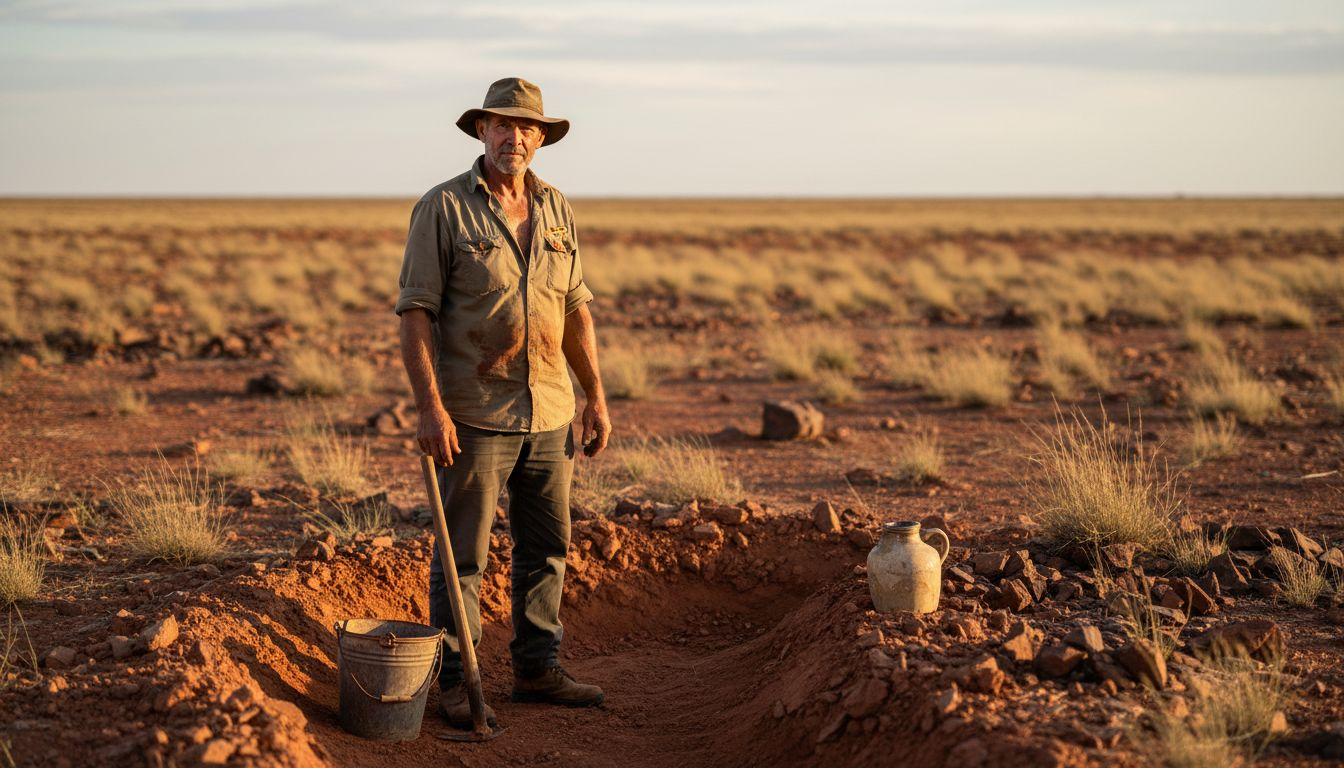
Genuine Queensland opals capture attention with their breathtaking play of color and geological origins found nowhere else on Earth. For collectors and luxury buyers, the allure lies in the rare union of ironstone matrix and natural beauty that reveals a vibrant spectrum inside every stone. Understanding what truly defines authentic Queensland opal helps discerning enthusiasts invest with confidence, ensuring their treasures are not just stunning but ethically sourced and steeped in distinctive geological heritage.
Table of Contents
- What Defines Genuine Queensland Opal
- Types of Queensland Opals and Unique Traits
- How Queensland Opal Forms in Nature
- Ethical Sourcing and Mining Practices
- Buying Tips and Common Pitfalls
Key Takeaways
| Point | Details |
|---|---|
| Authenticity Indicators | Genuine Queensland opals are characterized by unique ironstone matrix formations and dynamic play-of-color effects. |
| Opal Types | Notable varieties include boulder opals, Yowah Nut opals, and crystal opals, each with distinct characteristics that appeal to collectors. |
| Ethical Sourcing | The Queensland mining industry prioritizes sustainable practices and community engagement, ensuring responsible opal extraction methods. |
| Buying Considerations | Collectors should seek comprehensive documentation and evaluate opals under natural light to verify authenticity and quality before purchase. |
What Defines Genuine Queensland Opal
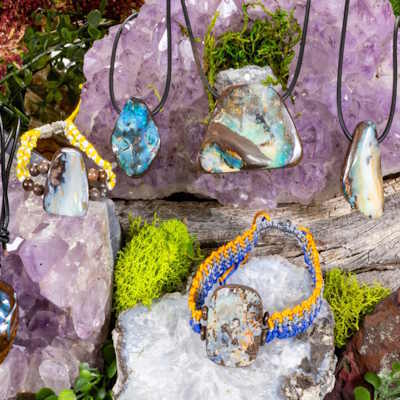
The authenticity of Queensland opals hinges on their distinctive geological origin and remarkable physical characteristics. Unlike other opal varieties, Queensland boulder opals emerge from unique ironstone host rock formations, creating spectacular gemstones with extraordinary visual complexity.
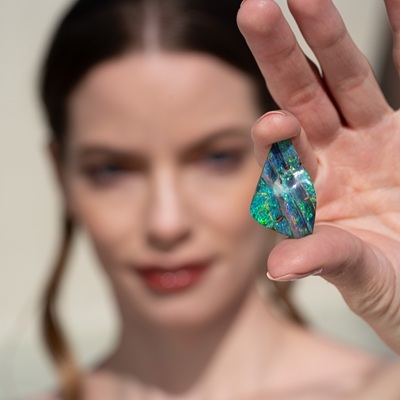
Genuine Queensland opals are scientifically distinguished by several key attributes. These include their distinctive formation within ironstone concretions known as “nuts,” a geological phenomenon specific to Queensland’s mineral landscape. The opals showcase remarkable play-of-color phenomena, where light interacts dynamically with internal mineral structures, producing mesmerizing color shifts ranging from deep blues and greens to vibrant reds and oranges.
The mineral composition of Queensland opals sets them apart from global counterparts. Typically embedded in ironstone matrix, these opals contain trace amounts of manganese oxide that contribute to their unique color variations. Collectors and gemologists recognize authentic specimens by their irregular shapes, the presence of natural host rock attachment, and the intricate color patterns that result from varying opal thickness and mineral layering.
Pro tip: When evaluating Queensland opals, examine the stone under natural light and look for the characteristic ironstone matrix, which serves as a hallmark of authentic regional origin.
Types of Queensland Opals and Unique Traits
Queensland boasts an extraordinary diversity of opal types, each with distinctive characteristics that captivate serious collectors and gemstone enthusiasts. Rare opal varieties from this region showcase remarkable geological formations that distinguish them from global counterparts, with boulder opals representing the most iconic Queensland gemstone.
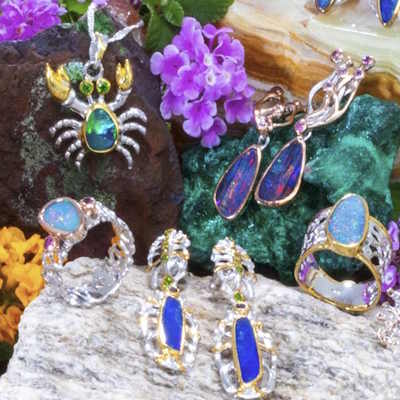
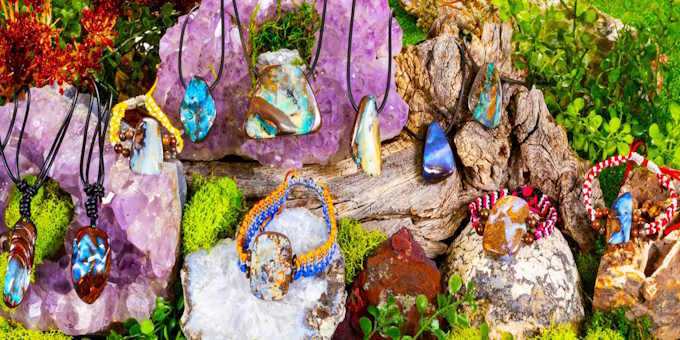
The primary Queensland opal types include boulder opals, Yowah Nut opals, matrix opals, and crystal opals. Boulder opals are particularly prized for their unique formation within ironstone matrix, creating stunning gems where the host rock becomes an integral part of the stone’s aesthetic. These opals display exceptional play-of-color with vibrant patterns ranging from electric blues and greens to intense reds and oranges, making each specimen a one-of-a-kind geological marvel.
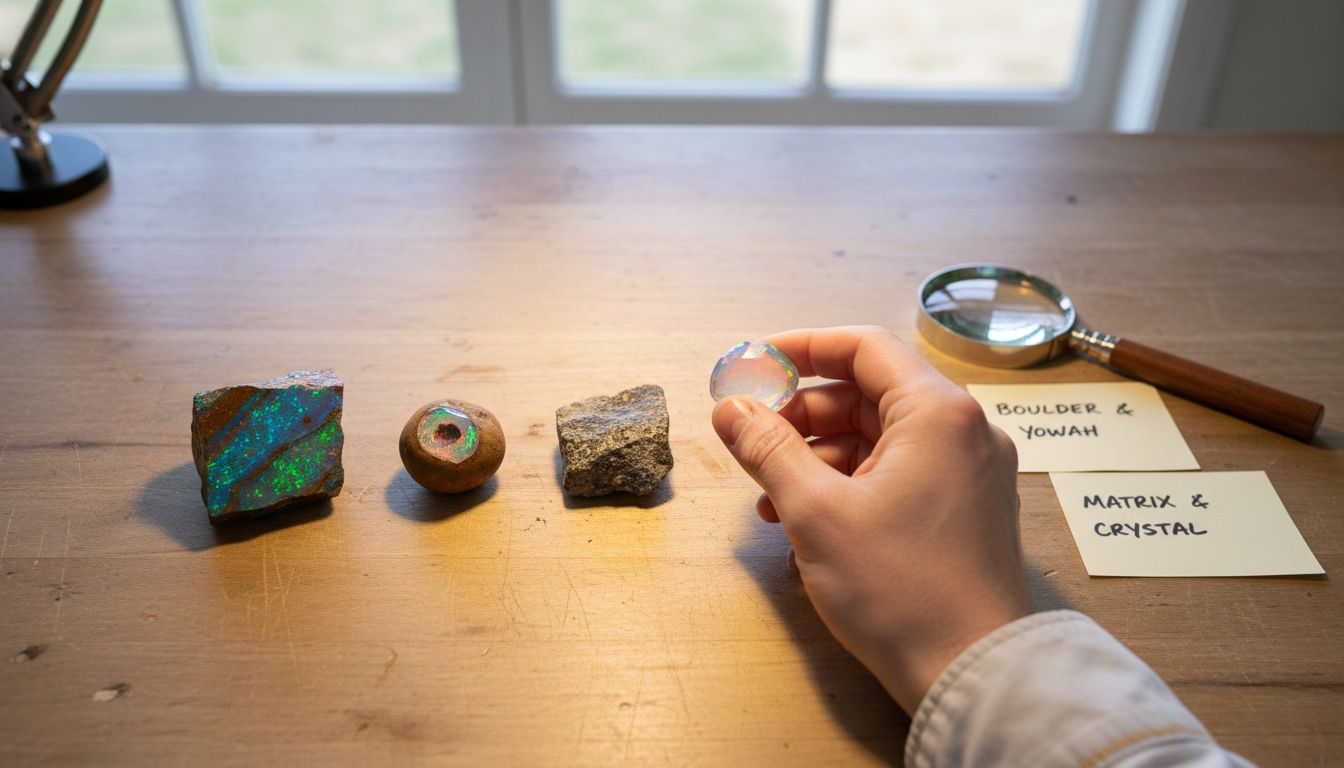
Yowah Nut opals represent another distinctive Queensland variety, characterized by spherical ironstone concretions containing opal deposits. These remarkable stones are found in specific geological regions and are renowned for their compact, rounded shapes and intense color manifestations. Crystal opals, by contrast, feature high transparency and remarkable light refraction, allowing collectors to appreciate the deep, intricate color patterns within the gemstone.
Pro tip: When evaluating Queensland opals, examine the stone under natural daylight to fully appreciate its unique color spectrum and understand how the ironstone matrix contributes to its overall visual complexity.
Here’s a comparison of the main Queensland opal types and their unique features:
| Opal Type | Appearance Trait | Collectors’ Appeal |
|---|---|---|
| Boulder Opal | Ironstone with bright color swirls | Highly valued, one-of-a-kind gems |
| Yowah Nut | Spherical shape with vivid bands | Sought for rarity and color bursts |
| Matrix Opal | Opal flecks in ironstone matrix | Appreciated for intricate patterns |
| Crystal Opal | High transparency, strong refraction | Prized for clarity and color depth |
How Queensland Opal Forms in Nature
The geological genesis of Queensland opals represents a fascinating narrative spanning millions of years of Earth’s complex mineralogical processes. Opal formation begins approximately 140 million years ago when an expansive inland sea covered the Australian continent, creating the foundational conditions for these extraordinary gemstones.
During this ancient period, silica-rich groundwater percolated through sedimentary rock layers, particularly ironstone and sandstone. As these waters slowly evaporated, microscopic silica spheres began to precipitate and accumulate in rock cavities and cracks. The precise arrangement of these nanoscale spheres determines the remarkable play-of-color phenomenon that makes Queensland opals so visually stunning. The ironstone matrix serves not just as a host rock, but as a crucial preservative environment that protects and shapes the emerging opal deposits.
The unique geological conditions of Queensland contribute significantly to the distinctive characteristics of its opals. Low-temperature mineral deposition processes allow for the gradual creation of amorphous silica layers, with nanospheres organizing themselves in a way that produces the mesmerizing optical effects collectors treasure. The ironstone’s presence is particularly critical, creating the signature boulder opal formation where the host rock becomes an integral part of the gemstone’s aesthetic and structural identity.
Pro tip: Examine Queensland opals against a light source to appreciate how the ironstone matrix interacts with the opal’s internal structure, revealing the intricate geological story embedded within each unique specimen.
Ethical Sourcing and Mining Practices
The Queensland opal mining industry has evolved to prioritize environmental stewardship and responsible extraction methods that protect both the natural landscape and local mining communities. Opal mining practices have transformed significantly over recent decades, moving beyond traditional exploitative approaches to more sustainable and community-conscious strategies.
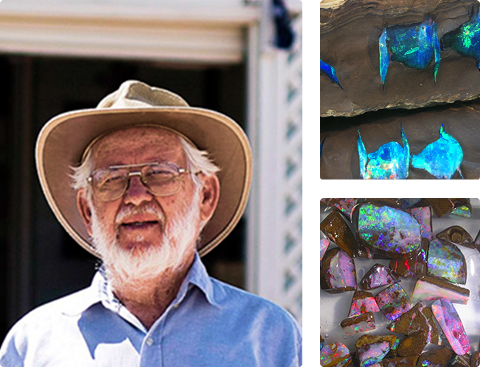
Responsible opal mining in Queensland involves comprehensive environmental rehabilitation protocols that mandate comprehensive land restoration after extraction activities. Small-scale mining operations predominate in the region, with family-owned claims typically working in harmony with strict governmental regulations that protect native ecosystems. These miners utilize minimally invasive techniques such as targeted drilling and carefully planned excavation methods that reduce landscape disruption and minimize ecological impact.
The ethical considerations extend beyond environmental protection to include fair labor practices and community engagement. Queensland opal miners often work collaboratively with local indigenous communities, respecting traditional land rights and incorporating ancestral knowledge about geological landscapes. Many mining operations now implement transparent supply chain practices, ensuring that each gemstone can be traced from its original extraction point through processing and international distribution, providing collectors with complete transparency about the stone’s origin and extraction methodology.
Pro tip: When purchasing Queensland opals, request documentation that verifies the stone’s ethical sourcing, including details about its mining location and the specific extraction practices used.
Buying Tips and Common Pitfalls
Navigating the Queensland opal market requires sophisticated knowledge and careful consideration to ensure authentic, high-quality gemstone acquisitions. Comprehensive buying strategies help collectors avoid common mistakes and make informed purchasing decisions that protect their investment.
Discerning buyers should focus on several critical evaluation criteria when assessing Queensland opals. Play-of-color represents the primary value determinant, with collectors seeking stones displaying vibrant, broad color ranges and dynamic optical effects. Examine the opal under natural daylight to assess color intensity, pattern complexity, and the seamless integration between the opal and its characteristic ironstone matrix. Be particularly vigilant about potential structural issues like crazing (microscopic surface cracks) or internal instabilities that could compromise the gemstone’s long-term durability.
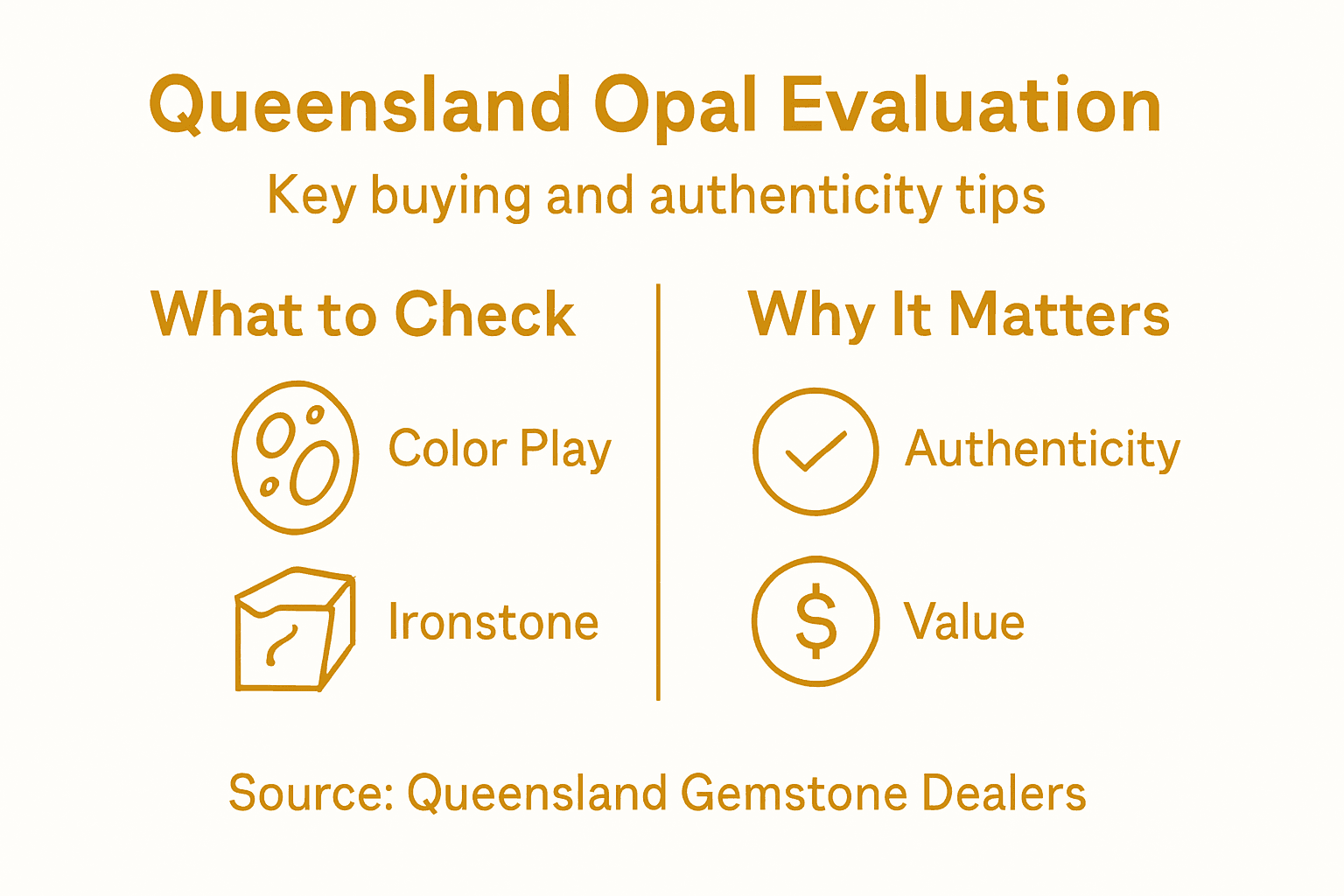
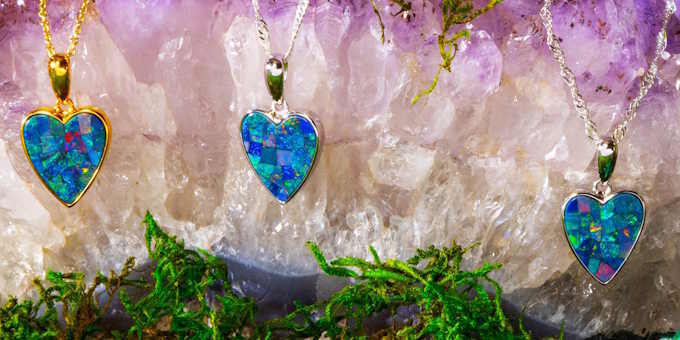
Authentication and provenance are paramount when purchasing Queensland opals. Reputable dealers should provide comprehensive documentation, including detailed gemological reports that verify the stone’s origin, mining location, and specific characteristics. Collectors should be wary of synthetic or treated opals masquerading as natural specimens, particularly doublets and triplets that artificially combine different materials to mimic authentic boulder opal appearance. Understanding the nuanced differences between various Queensland opal types helps prevent overpaying and ensures a genuine, high-quality acquisition.
Pro tip: Always request a detailed certificate of authenticity and request to examine the opal under multiple light sources before finalizing your purchase, paying close attention to color consistency and structural integrity.
The table below summarizes essential factors for evaluating an authentic Queensland opal:
| Evaluation Factor | What to Check | Why It Matters |
|---|---|---|
| Play-of-Color | Dynamic, vibrant color shifts | Indicates gem quality and value |
| Ironstone Matrix | Natural host rock attachment | Confirms genuine regional origin |
| Shape & Structure | Irregular, non-uniform shapes | Distinguishes from synthetic opals |
| Authenticity Papers | Certificate with mining details | Ensures proven provenance |
Discover Authentic Queensland Opals with Confidence
Navigating the world of Queensland opals can be challenging when seeking genuine stones with vibrant play-of-color and the distinctive ironstone matrix. You want to find ethically sourced, high-quality opals that reflect the rich geological heritage described in this article without risking synthetic imitations or unclear provenance. At Australian Opal Direct, we understand your desire for authentic, traceable gemstones that tell a story through their unique color patterns and natural origins.

Explore our curated collection of Queensland opals and custom-designed jewelry crafted with passion and integrity. Each piece comes with verified authenticity, detailed mining information, and a commitment to ethical sourcing. Don’t miss the chance to own a rare boulder or Yowah Nut opal that captures the captivating energy endemic to Queensland’s mineral landscape. Visit Australian Opal Direct now to experience gemstone luxury you can trust and connect with the true value and beauty of authentic Queensland opals.
Frequently Asked Questions
What defines a genuine Queensland opal?
Genuine Queensland opals are identified by their unique formation within ironstone host rocks, showcasing distinct play-of-color effects and specific mineral compositions. They often exhibit irregular shapes and intricate color patterns indicative of their geological origin.
What are the different types of Queensland opals?
The primary types of Queensland opals include boulder opals, Yowah Nut opals, matrix opals, and crystal opals. Each type has its own characteristics, with boulder opals being known for their vibrant color patterns integrated with ironstone matrix.
How is Queensland opal formed?
Queensland opal forms over millions of years through silica-rich groundwater that seeps into rock cavities. The evaporation of this water leads to the accumulation of silica spheres, which creates the stunning optical play-of-color typical of these gemstones, often enhanced by the surrounding ironstone matrix.
What should I look for when evaluating Queensland opals?
When evaluating Queensland opals, focus on their play-of-color, the presence of an ironstone matrix, and the integrity of their shape. It’s important to examine the stone under natural light for color consistency and also request documentation verifying its authenticity to ensure you’re investing in a genuine gemstone.