What Is Queensland Boulder Opal and Why Collect It
Posted by AOD on 13th Dec 2025
What Is Queensland Boulder Opal and Why Collect It
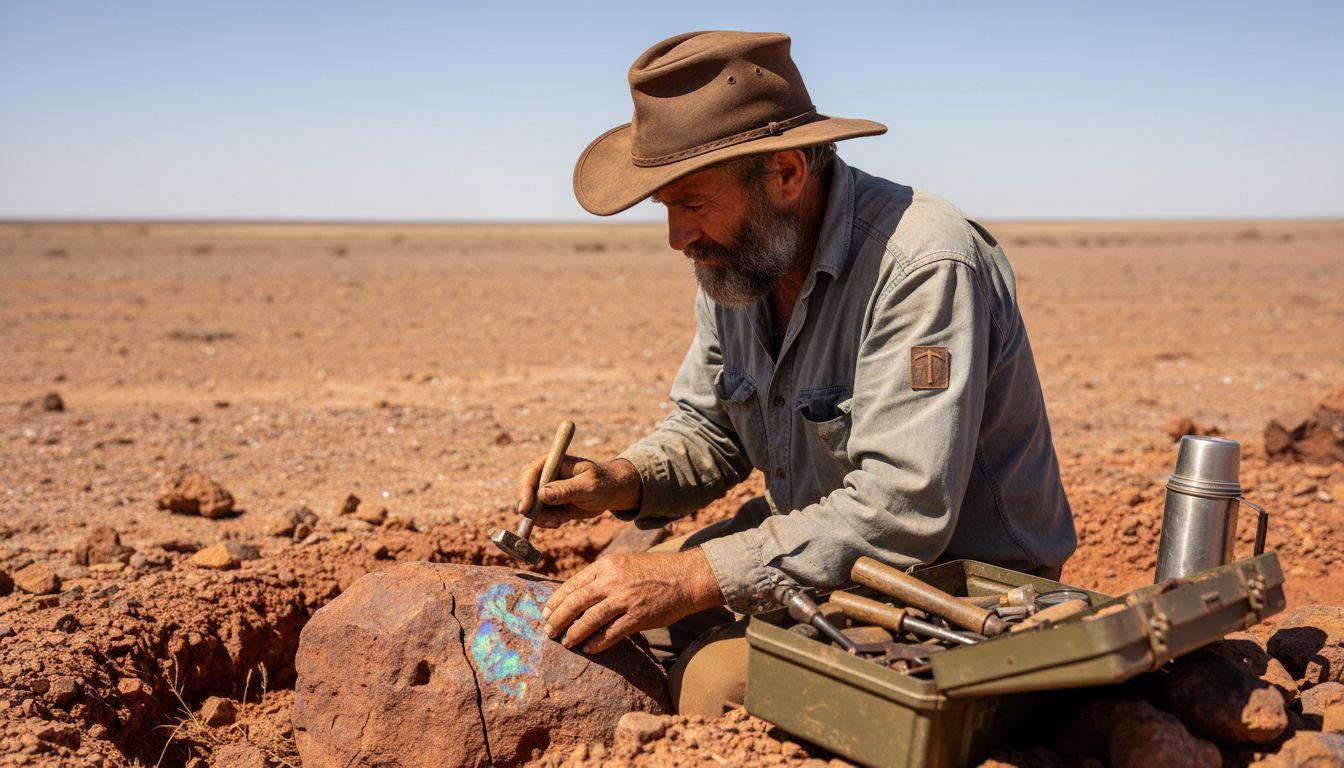
Most American gem collectors are surprised to learn that Queensland boulder opal forms only under rare geological conditions found in Western Queensland, Australia. These dazzling gemstones owe their beauty to vibrant color play and their powerful connection to ancient ironstone formations. With each stone reflecting a unique geological history, understanding boulder opal origins and characteristics helps American buyers recognize why these opals stand apart in the world of gemstones.
Table of Contents
- Defining Queensland Boulder Opal Origins And Makeup
- Varieties And Unique Color Play Explained
- How Boulder Opal Is Mined And Graded
- Misconceptions About Authenticity And Value
- Collecting, Pricing, And Ethical Buying Guide
Key Takeaways
| Point | Details |
|---|---|
| Origin and Formation | Queensland boulder opals form through a unique geological process involving silica-rich solutions infiltrating iron-rich host rocks, resulting in distinctive gemstones. |
| Color Varieties | The dynamic color play of boulder opals arises from the microscopic structure of silica spheres, leading to a wide range of vivid colors and patterns. |
| Mining and Grading | Mining involves a complex process using advanced techniques, with grading based on color brilliance, pattern complexity, and matrix quality. |
| Ethical Considerations | Responsible collectors prioritize transparency in sourcing and sustainable practices, enhancing the value and significance of boulder opals. |
Defining Queensland Boulder Opal Origins and Makeup
Queensland boulder opal represents a remarkable geological phenomenon originating in the arid landscapes of Western Queensland, Australia. These extraordinary gemstones emerge from the unique geological conditions of the region, specifically within the Winton Formation geological deposits, where silica-rich solutions infiltrate and transform iron-rich host rocks.
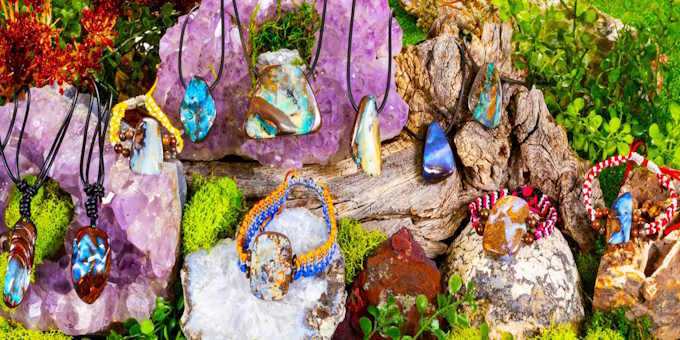
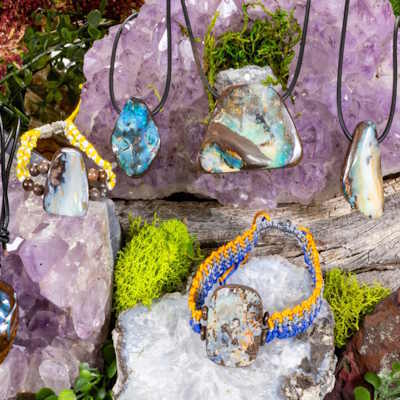
Boulder opals are distinctive for their unique formation process, characterized by their integration with ironstone host rocks. Geologically, these opals develop as veins or center fillings within hematite and goethite boulders, created through intricate silica infiltration into rock cavities and cracks. This complex formation process results in opals with an inherent connection to their rocky matrix, creating stunning gemstones with distinctive patterns and intense color play.
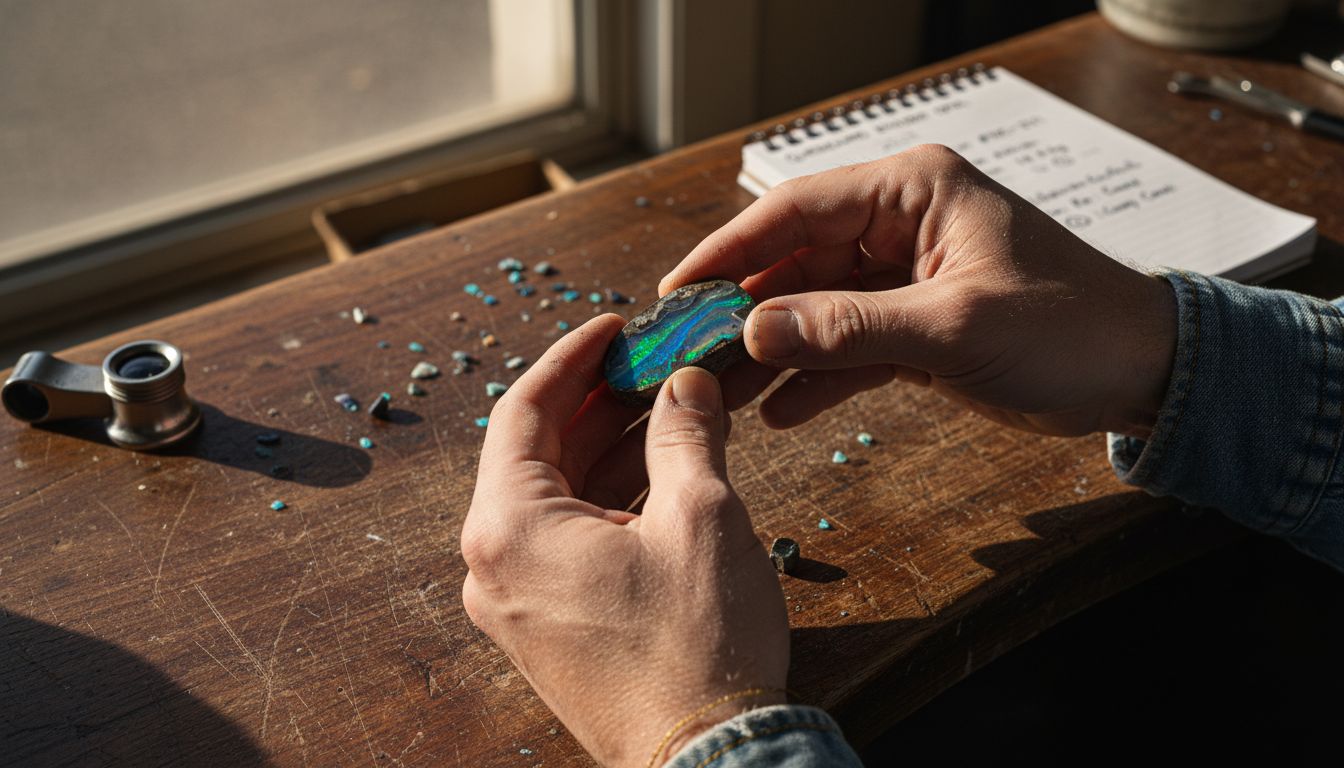
The genesis of Queensland boulder opals involves a sophisticated interplay of geological conditions. As silica-rich solutions permeate the iron-rich host rocks, they gradually deposit and dehydrate, forming thin but vibrant opal layers within the ironstone. The presence of iron minerals contributes to the opal’s unique color characteristics, often producing rich, deep tones and remarkable iridescent effects that distinguish these gemstones from other opal varieties. The intimate relationship between the opal and its host rock creates a natural canvas of extraordinary beauty, making each boulder opal a singular masterpiece of geological artistry.
Varieties and Unique Color Play Explained
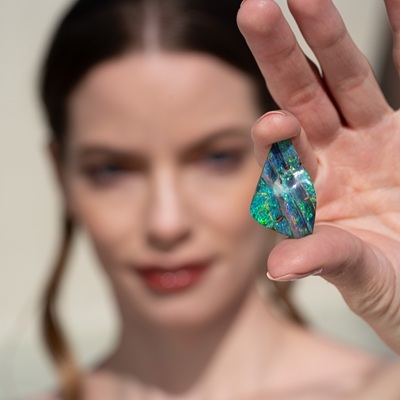
Boulder opals are renowned for their extraordinary and dynamic color phenomena, which stem from a fascinating microscopic structure. The remarkable play-of-color in these gemstones emerges from a precise, three-dimensional arrangement of silica spheres that function like a natural diffraction grating. These microscopic spheres create stunning optical effects by diffracting light in complex patterns, generating vibrant color displays that dance and shift with movement.
Color varieties in Queensland boulder opals represent a spectacular spectrum of visual experiences. The interplay between silica sphere sizes and spacing determines the specific colors produced, ranging from electric blues and vivid greens to fiery reds and deep purples. Some boulder opals showcase broad spectrum patterns where colors seamlessly transition and blend, while others feature more distinct, sharp color zones that create dramatic visual contrasts.
When evaluating boulder opal color characteristics, collectors and gemologists pay close attention to several key factors. The gemstone market primarily values opals shaped into domed cabochons that maximize color brilliance and light interaction. Factors like color intensity, pattern consistency, and the proportion of the ironstone matrix significantly influence a boulder opal’s aesthetic and monetary value. Exceptional specimens demonstrate a mesmerizing interplay between the opal’s vibrant color display and its characteristic ironstone background, creating unique geological artworks that are both scientifically fascinating and aesthetically stunning.
How Boulder Opal Is Mined and Graded
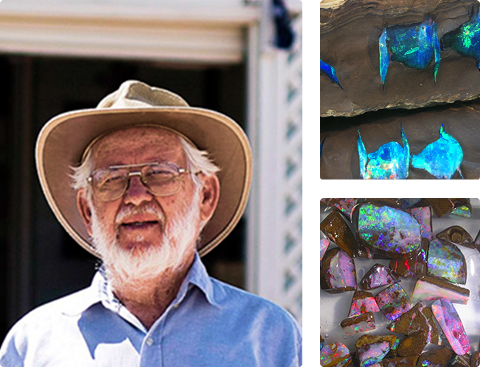
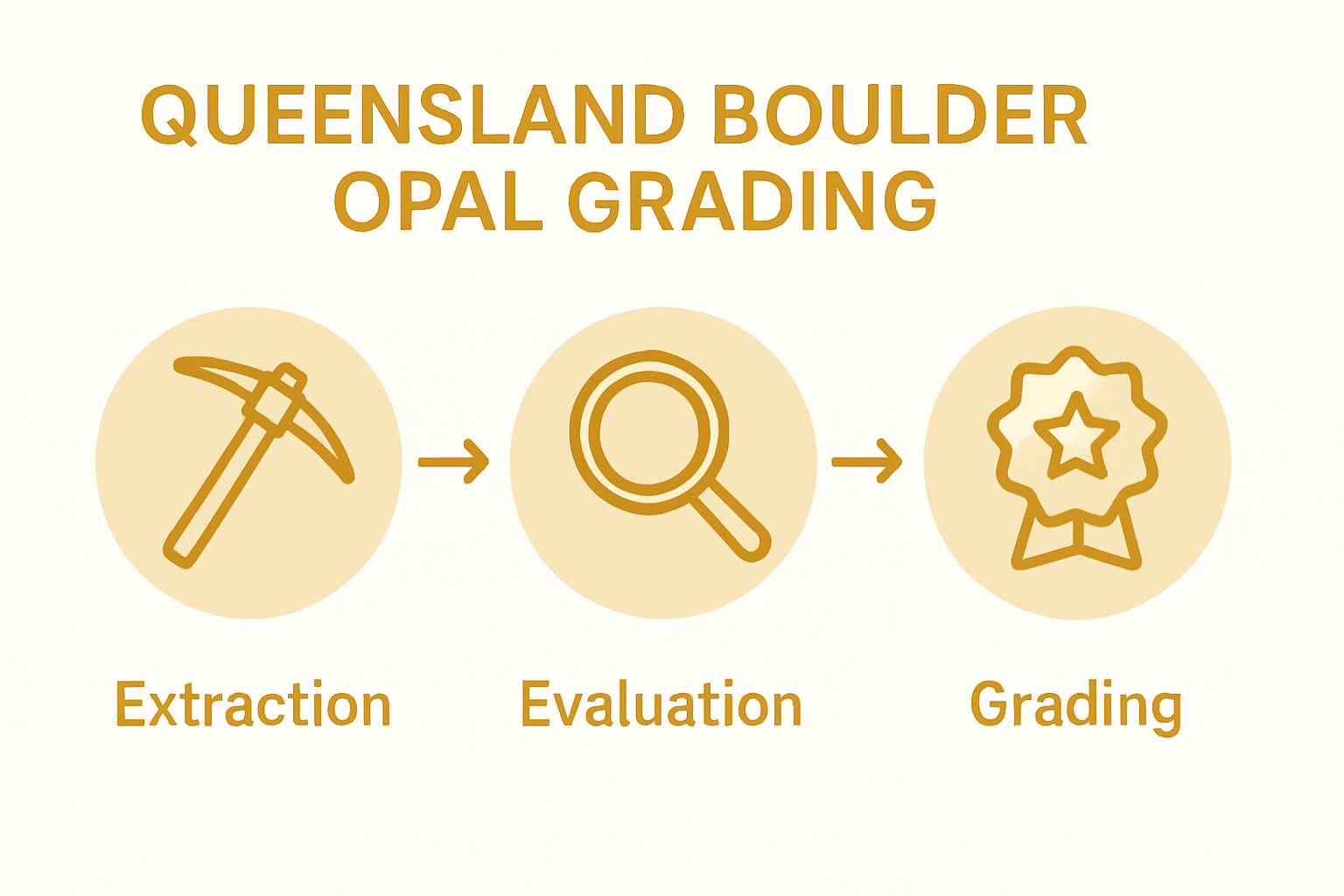
Mining boulder opals involves a complex and challenging process that requires exceptional skill and geological expertise. At sites like the Cragg mine, miners employ sophisticated drilling techniques to depths of up to 20 meters, carefully searching for potential opal-bearing layers within the rocky terrain. These specialized operations typically use open-cut mining methods, which allow miners to systematically excavate and explore geological formations where boulder opals are likely to be found.
Once extracted, the raw opal ore undergoes a meticulous processing sequence. Sorting and screening represent critical stages in transforming rough stone into marketable gemstones. Miners utilize both hand sorting and mechanical washing techniques to separate and classify different material qualities. Specialized workers carefully examine each fragment, assessing characteristics like size, color intensity, pattern complexity, and the proportion of ironstone matrix.
Grading boulder opals involves a nuanced evaluation process that considers multiple factors beyond simple visual appeal. Gemstone experts assess four primary criteria: color brilliance, pattern complexity, transparency, and the quality of the ironstone backing. Premium boulder opals demonstrate vibrant, consistent color play, minimal matrix interruptions, and a harmonious integration between the opal and its natural ironstone base. The most valuable specimens showcase rare color combinations, exceptional light refraction, and a distinctive geological narrative that makes each stone a unique geological artifact.
Misconceptions About Authenticity and Value
One of the most persistent myths surrounding boulder opals involves their supposed fragility and questionable authenticity. Contrary to popular belief, most boulder opals are remarkably stable under normal wear conditions, with geological experts easily distinguishing them from synthetic simulants. This stability stems from their unique formation process, where the opal is intrinsically bonded with its ironstone matrix, creating a naturally reinforced gemstone structure that resists typical wear and damage.
Authenticity verification is a critical concern for potential collectors and investors. Reputable jewelers provide comprehensive documentation about the manufacturing and sourcing process, ensuring transparency and building consumer confidence. This approach addresses widespread misconceptions by offering detailed insights into each stone’s geological origin, mining location, and specific characteristics that prove its genuine nature.
Value determination for boulder opals goes far beyond simple visual assessment, challenging another common misconception. Experienced gemologists evaluate multiple complex factors, including color intensity, pattern uniqueness, matrix quality, and geological rarity. The most valuable specimens are not necessarily those with the most vibrant colors, but those that demonstrate a harmonious integration between the opal and its ironstone backing, showcasing a natural aesthetic that tells a compelling geological story. Collectors who understand these nuanced valuation criteria can make more informed decisions, appreciating boulder opals as sophisticated geological artifacts rather than mere decorative stones.
Collecting, Pricing, and Ethical Buying Guide
Navigating the world of boulder opal collection requires a sophisticated understanding of both geological value and ethical sourcing practices. Reputable jewelers provide comprehensive information about the manufacturing process, enabling collectors to make informed decisions that align with responsible purchasing principles. This transparency helps buyers understand the intricate journey of each gemstone from raw geological formation to polished collectible.
Pricing dynamics for boulder opals are complex and multifaceted. Gemstone experts evaluate multiple critical factors including color, pattern, and compositional characteristics when determining a stone’s market value. Key considerations include the opal’s color intensity, pattern uniqueness, matrix quality, and overall visual harmony. Premium specimens demonstrate not just vibrant color play, but also a seamless integration between the opal and its characteristic ironstone backing.
Ethical collecting extends beyond aesthetic appreciation to understanding the environmental and social implications of gemstone acquisition. Responsible collectors seek sources that prioritize sustainable mining practices, fair worker compensation, and minimal ecological disruption. This approach transforms boulder opal collection from a mere hobby into a conscientious engagement with geological heritage, where each acquired stone represents not just a beautiful artifact, but a commitment to responsible resource stewardship. Collectors who prioritize transparency, geological authenticity, and ethical sourcing contribute to a more sustainable and respectful approach to geological treasure hunting.
Discover Authentic Queensland Boulder Opals That Capture Nature’s Artistry
If you are captivated by the unique beauty and geological significance of Queensland boulder opals as explored in the article there is no better way to bring this natural masterpiece into your life than owning an ethically sourced genuine opal from Australian Opal Direct. We understand that collectors seek not only vibrant color play and intricate ironstone patterns but also transparency in sourcing and high-quality craftsmanship reflecting the stone’s remarkable origin.

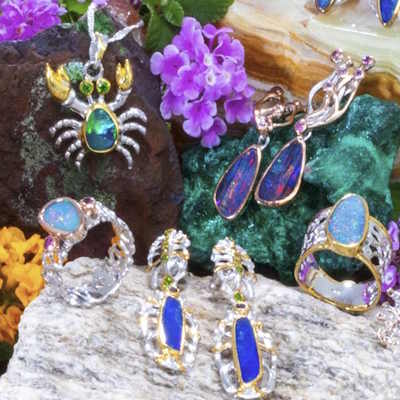
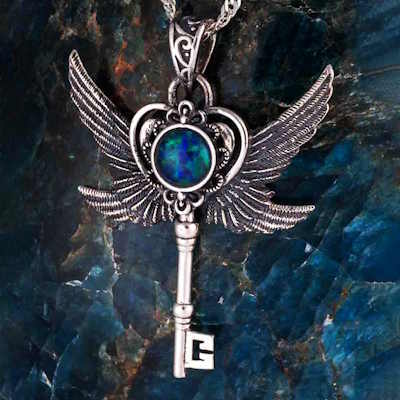
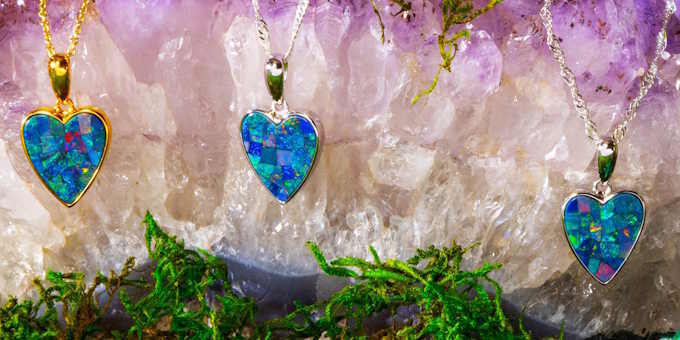
Explore our carefully curated collection featuring authentic Queensland boulder opals embedded in elegant gold and silver settings. Each piece tells its own geological story with exceptional pattern complexity and color brilliance backed by direct-miner relationships ensuring competitive pricing and authenticity. Don’t wait to enhance your collection with a true natural wonder that combines rarity durability and ethical mining practices. Visit Australian Opal Direct now to experience the passion behind every gemstone and find your next treasured piece today.
Frequently Asked Questions
What is Queensland boulder opal?
Queensland boulder opal is a unique type of opal that forms within ironstone host rocks in the geological deposits of Western Queensland. It is characterized by its vibrant colors and patterns created through a complex process of silica infiltration and mineral interactions.
How does the color play in boulder opals occur?
The stunning play-of-color in boulder opals results from the precise arrangement of microscopic silica spheres. These spheres act like a natural diffraction grating, diffracting light in complex patterns and producing vibrant color displays that shift with movement.
What factors influence the value of Queensland boulder opals?
The value of Queensland boulder opals is determined by factors such as color intensity, pattern complexity, transparency, and the quality of the ironstone backing. Exceptional specimens demonstrate a harmonious integration of these elements, making them unique geological artworks.
Are boulder opals fragile or durable gemstones?
Contrary to popular belief, most boulder opals are remarkably stable and durable under normal wear conditions. Their unique formation process, which bonds the opal with its ironstone matrix, enhances their resistance to wear and ensures authenticity against synthetic simulants.