Opal Stone Price: What Buyers Need to Know
Posted by AOD on 27th May 2026
Opal Stone Price: What Buyers Need to Know
TL;DR:
- Opal prices range from $10 to over $15,000 per carat, depending on type, quality, and origin, reflecting its natural diversity. The stone’s value depends on factors like play-of-color, pattern, body tone, and whether it is solid or assembled, with Australian black opals being the most expensive. Buyers should verify seller credentials, request documentation, and consider professional appraisal to ensure genuine, fairly priced purchases.
Few gemstones confuse buyers quite like opal. The opal stone price can swing from a modest $10 per carat to well over $15,000 per carat, and both figures represent genuine, earth-mined opals sold in legitimate markets. That staggering range exists because opal is not a single commodity. It is a spectrum of geological wonders, each carrying its own visual fingerprint, origin story, and market value. Whether you are shopping for a casual piece of opal jewelry or seeking a collector-grade black opal from Lightning Ridge, understanding what drives pricing is the difference between a wise purchase and an expensive lesson.
Table of Contents
- Key takeaways
- Key factors that influence opal stone price
- Price ranges for common opal types
- How opal price translates into jewelry cost
- Practical advice for buying opal wisely
- My perspective on opal pricing complexity
- Discover authentic Australian opals at Australianopaldirect
- FAQ
Key takeaways
| Point | Details |
|---|---|
| Opal prices vary enormously | Prices range from $10 to $15,000+ per carat depending on type, quality, and origin. |
| Stone type defines value tier | Black opals command the highest prices; white and Ethiopian opals are more accessible. |
| Assembled stones cost far less | Doublets and triplets are real opals but worth significantly less than solid stones. |
| Condition is non-negotiable | Crazing or surface cracks can reduce an opal’s value to near zero, regardless of color. |
| Certification protects buyers | Professional appraisals and seller documentation guard against overpaying or misrepresentation. |
Key factors that influence opal stone price
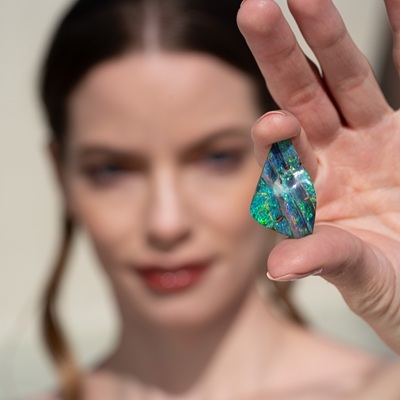
The beauty of opal lies in its play-of-color, that spectral dance of reds, blues, greens, and golds that shifts as the stone moves beneath the light. But beauty alone does not set the price. Opal gemstone value depends on color intensity, pattern rarity, size, clarity, and the scarcity of the specific variety. Each of these elements interacts with the others, which is why pricing cannot be reduced to a simple per-carat formula.
Opal type and origin
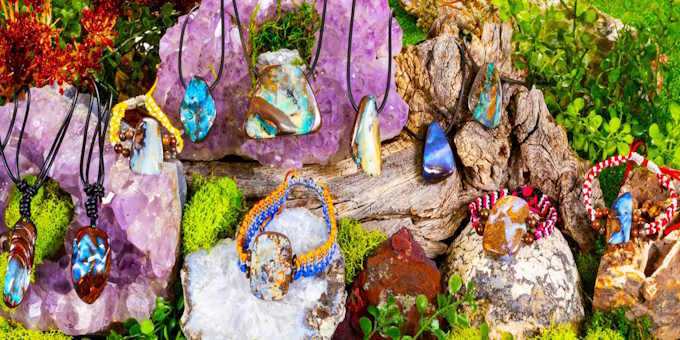
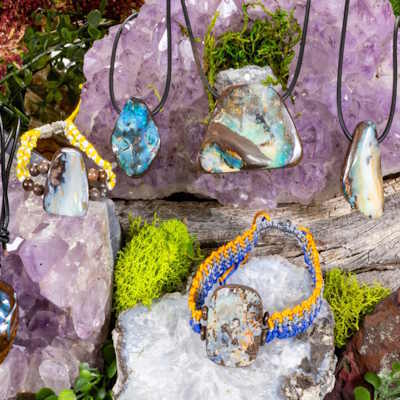
The variety of opal matters enormously. Black opals from Lightning Ridge, New South Wales, sit at the pinnacle of the market. Crystal opals, transparent or semi-transparent with vivid internal fire, occupy the upper-middle tier. White opals, sometimes called milky opals, are the most widely available and most affordable. Boulder opals, mined in Queensland’s ironstone country, carry irregular shapes that make each stone genuinely one of a kind. Ethiopian Welo opals have surged in popularity over the past decade, offering intense play-of-color at comparatively accessible prices.
Origin also matters. Australian opals carry a prestige that commands a premium, rooted in centuries of geological rarity and cultural recognition. Ethiopian opals, while stunning, are generally priced lower because supply is more abundant and the stones can be hydrophane, meaning they absorb water and may change appearance when exposed to moisture.
Quality indicators that move the price
Several quality measures directly shape what you pay:
- Play-of-color: Red and orange fire is the rarest and most prized. Blue and green are beautiful but more common. A stone showing a full spectral sweep commands a significant premium.
- Pattern: Patterns like “rolling flash,” “harlequin,” and “Chinese writing” are rarer and more desirable than muted or broken color arrangements.
- Body tone: Darker body tones, from N1 to N4 on the gemological scale, allow colors to appear more vivid and are associated with premium pricing.
- Clarity: Inclusions, matrix, or cloudiness diminish value. Crystal-clear gems with no visible imperfections attract the highest bids.
- Carat weight: Larger stones with excellent quality are exponentially rarer, so the opal value per carat scales upward steeply as size increases.
Solid, doublet, and triplet: the assembled stone question
This distinction trips up more buyers than almost any other factor. Solid opals are exactly what the name suggests: a single, unaltered piece of natural opal. Doublets are thin slices of natural opal bonded to a dark backing material to enhance color visibility. Triplets add a transparent dome on top of the doublet for protection. Both doublets and triplets are made with real opal material, but assembled stones like doublets and triplets are worth substantially less than their solid counterparts. Sellers are obligated to label them clearly, and buyers should always ask for documentation confirming stone type.
Condition and crazing
Opal is a relatively soft, water-containing stone and is susceptible to a phenomenon called crazing. Crazing refers to a network of fine surface cracks that can develop when opals lose moisture rapidly, are exposed to temperature extremes, or are subjected to sudden impact. Surface crazing or cracks reduce an opal’s value to near zero, regardless of how spectacular the color may be. Always examine stones carefully for any trace of crazing before purchasing, and ask sellers directly about storage and care history.
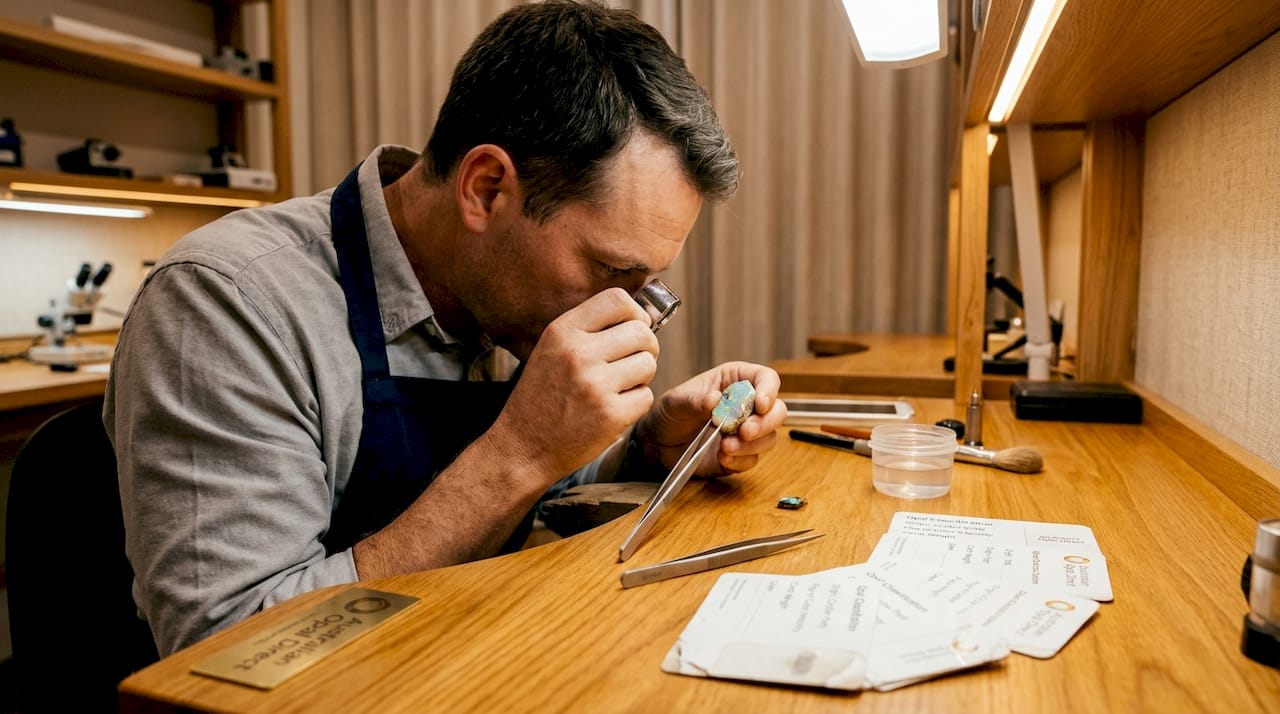
Pro Tip: When viewing opals online, request short video footage under both natural and artificial light. Photographs can hide crazing and exaggerate play-of-color in ways that moving footage cannot.
Price ranges for common opal types
Understanding what the market actually charges for different opal varieties gives buyers the confidence to evaluate any price tag they encounter. The figures below reflect what is broadly observed across reputable wholesale and retail channels.
| Opal Type | Quality Tier | Approximate Price per Carat |
|---|---|---|
| White opal | Commercial to fine | $10 – $200 |
| Ethiopian Welo opal | Commercial to fine | $20 – $500+ |
| Crystal opal (Australian) | Commercial to fine | $150 – $600 |
| Boulder opal | Commercial to fine | $50 – $500+ |
| Black opal (Australian) | Fine to exceptional | $1,000 – $15,000+ |
White opals and Ethiopian Welo opals typically cost between $10 and $500 per carat, making them the natural starting point for buyers new to the opal market. At the other end of the spectrum, Australian black opals can reach $15,000 or more per carat for specimens with exceptional red fire and high body tone. These are collector-grade stones, often rivaling fine rubies in per-carat value.
Wholesale pricing adds another layer of nuance. A commercial-grade Ethiopian Welo stone might cost $20 to $80 per carat at wholesale, while a fine Australian crystal opal runs $150 to $600 per carat at wholesale opal pricing levels. Retail markups typically range from 50% to 200% above wholesale, depending on the retailer’s overhead, brand positioning, and added services.
Pro Tip: Buyers comparing prices globally should account for currency conversion and import duties. Opal prices in international markets like India can appear dramatically lower in local currency but often reflect lower quality grades, not better deals.
How opal price translates into jewelry cost
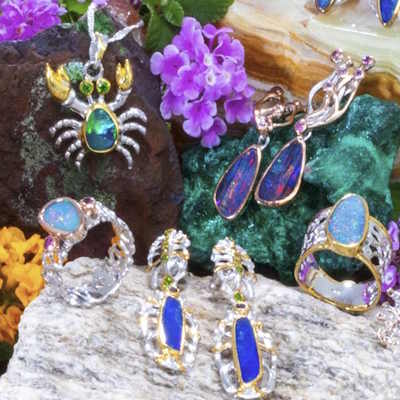
Purchasing opal stone set into jewelry introduces additional cost variables that extend well beyond the gem itself. The opal jewelry price you see on a retailer’s website reflects the combined value of the stone, the precious metal setting, the craftsmanship, and sometimes the designer’s brand premium.
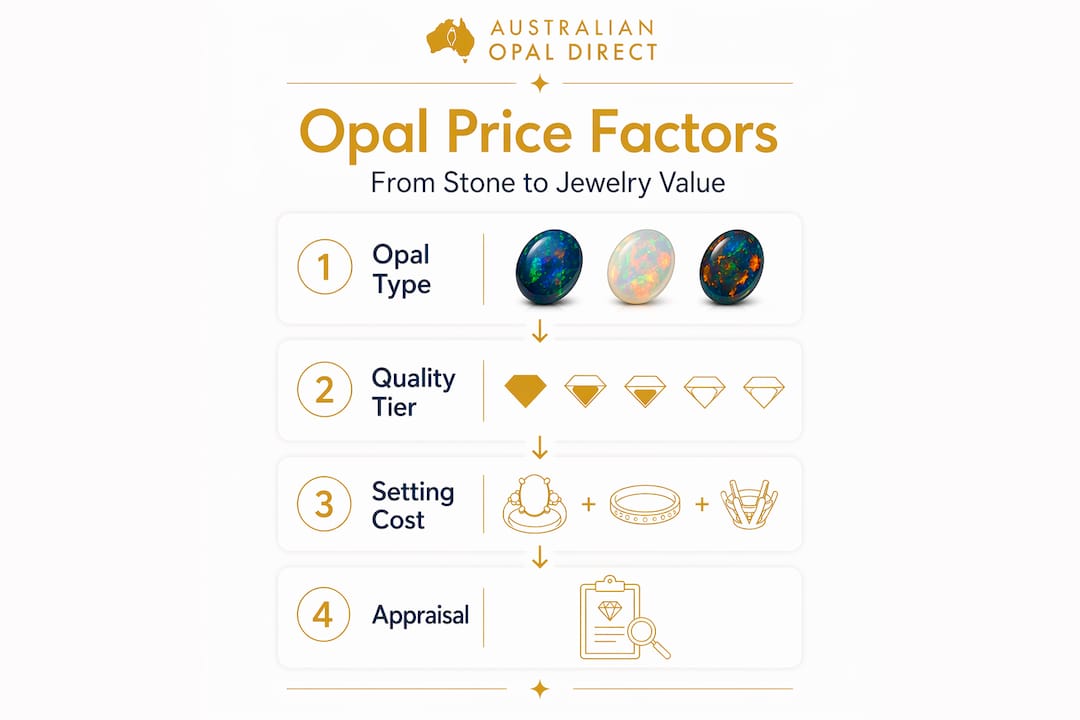
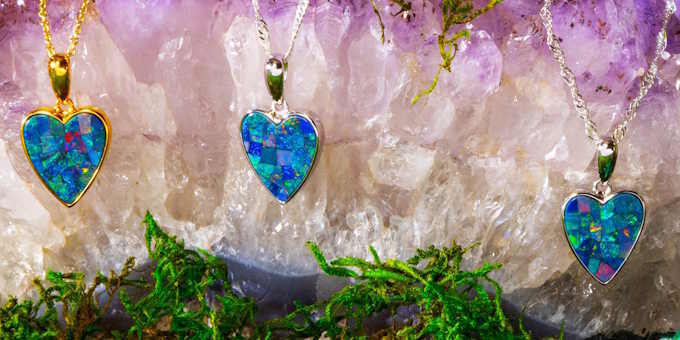
A fine sterling silver ring set with a quality Ethiopian Welo opal might retail for $150 to $600. Move to an 18-karat gold setting with a top-grade Australian black opal, and the same style of ring could command $5,000 to $30,000 or more. Pendants and earrings with smaller stones tend to sit at lower price points, but craftsmanship costs mean that even a modest opal earring pair in gold can exceed $500.
Several specific considerations deserve attention when evaluating opal jewelry pricing:
- Metal type and weight: Gold commands significantly higher prices than silver. The purity (9K, 14K, 18K) and total metal weight both factor into the final cost.
- Stone disclosure: Reputable jewelers will specify whether the opal is solid, doublet, or triplet. Undisclosed assembled stones sold at solid opal prices represent a serious misrepresentation.
- Treatments: Some opals are treated with smoke, sugar, or resin to darken their body tone or improve stability. Treated stones should be priced lower than untreated specimens and disclosed clearly.
- Custom versus commercial: Mass-produced opal jewelry uses commercial-grade stones and standardized settings. Custom pieces with hand-selected stones and bespoke designs carry a legitimate premium reflecting actual skilled labor.
For high-value pieces, a professional jewelry appraisal is not optional. It provides an independent assessment of the opal’s quality and the jewelry’s replacement value, which matters enormously for insurance purposes. Without documentation, buyers absorb all the risk if a stone turns out to be misrepresented or overvalued.
Exploring resources on opal jewelry valuation can help buyers understand what to expect from a formal appraisal process before they invest in a significant piece.
Practical advice for buying opal wisely
Knowing prices is only half the equation. Where and how you buy opal shapes your experience as much as the price itself. Here is a structured approach for making a confident purchase.
- Research before you browse. Understand which opal type appeals to you and what price range is realistic for that type at your desired quality level. Arriving at a seller’s page or shop with this knowledge prevents impulse buys at inflated prices.
- Verify the seller’s credentials. Look for sellers who disclose stone origin, stone type (solid, doublet, or triplet), and treatment history. Reputable sellers welcome questions and provide documentation. Those who deflect or offer vague answers deserve scrutiny.
- Request certification for significant purchases. For stones above $500, consider requesting a gemological report from a recognized laboratory. Certification confirms the stone is natural and documents its key quality characteristics.
- Read return policies carefully. Legitimate opal retailers stand behind their products with clear return windows and, in many cases, after-sale care or warranty coverage. Sellers who refuse returns on “all sales final” terms for unexamined goods are a warning sign.
- Consider timing. Opal markets experience seasonal fluctuations, and some retailers offer promotional pricing around key shopping periods. Following trusted retailers and signing up for newsletters can surface genuine savings.
For those buying online, tips on authenticating opal rings provide a practical checklist that applies to loose stones and finished jewelry alike. Understanding the opal gemstone selection process in detail also sharpens your eye before you commit to any purchase.
Pro Tip: Ask sellers whether they have direct relationships with miners or cutters. Retailers who source directly from Australian mining regions like Coober Pedy or Lightning Ridge can often offer better pricing and stronger authenticity guarantees than those buying through multiple intermediaries.
My perspective on opal pricing complexity
I’ve watched buyers fall in love with opal at first sight, and I’ve also watched those same buyers feel burned when a stone they paid a premium for turned out to be a doublet, or developed crazing within a year. The opal market is genuinely unlike any other gemstone category I’ve worked within, and not because sellers are inherently dishonest. Opal is simply a living material, one that resists the kind of neat grading systems that make diamonds or sapphires easier to price with confidence.
What I’ve learned over years of working with opal buyers is that the most satisfied customers are the ones who slow down. They ask questions that feel almost too basic. They request documentation. They choose sellers who are transparent about flaws as readily as they highlight beauty. The buyers who regret their purchases almost always skipped one of those steps in a moment of excitement.
One thing that surprises most people I speak with: the difference in long-term satisfaction between a modest, flawless solid white opal and an impressive-looking doublet at a similar price point. The solid stone may be quieter visually, but it holds its value, holds its integrity, and holds its story. I think that matters. Beauty without authenticity fades quickly, but a genuine piece of earth’s art carries its value forward for generations.
My honest advice is this: protect your purchase with a professional valuation, especially if you spend more than a few hundred dollars. Opal insurance coverage is also worth exploring early in the process, not as an afterthought. Opals deserve that level of care.
— Renee
Discover authentic Australian opals at Australianopaldirect
Understanding opal stone price is only the beginning of the journey. Finding a seller who matches that knowledge with genuine stones, full transparency, and expert guidance is what transforms a purchase into an heirloom.
At Australianopaldirect, every opal is ethically sourced and earth-mined from Australia’s most celebrated regions, including Lightning Ridge, Coober Pedy, and Queensland. Direct relationships with miners mean no middlemen inflating prices and no ambiguity about origin or authenticity. Each piece comes with clear stone disclosure, quality documentation, and the confidence of a 90-day warranty and complimentary insurance. Whether you are drawn to a fiery black opal ring, a delicate crystal opal pendant, or a custom-designed piece built around a stone chosen just for you, explore the full collection to find something that reflects both your taste and genuine gemstone value.
FAQ
How much does an opal stone cost on average?
Opal stone cost varies widely by type and quality, ranging from as little as $10 per carat for commercial white opal to over $15,000 per carat for exceptional Australian black opal. Most buyers shopping for fine quality in mid-tier varieties like Ethiopian Welo or crystal opal can expect to pay $50 to $600 per carat.
What makes black opal more expensive than other opals?
Black opal commands the highest prices because its dark body tone amplifies play-of-color intensity more dramatically than lighter stones. Combined with limited supply from Lightning Ridge and global collector demand, top-grade black opal regularly rivals fine rubies and emeralds in per-carat value.
Are doublets and triplets worth buying?
Doublets and triplets contain real opal material and can offer striking visual beauty at accessible price points. They should not, however, be priced or sold as solid opals. Buyers should understand they purchase assembled stones with lower long-term value and greater sensitivity to moisture than solid gems.
How do I know if an opal price is fair?
Compare the price against published wholesale benchmarks for the specific opal type and quality tier. Request documentation of stone type, origin, and any treatments. For pieces above $500, a professional gemological appraisal provides an independent reference point that protects your investment.
Does crazing affect opal value significantly?
Yes. Crazing, a pattern of fine surface cracks caused by moisture loss or temperature stress, dramatically reduces opal value regardless of how vivid the play-of-color may appear. Even minor crazing can reduce a stone’s worth to a fraction of an undamaged equivalent.