Opal jewelry care routine: keep Australian opals vibrant
Posted by AOD on 19th Mar 2026
Opal jewelry care routine: keep Australian opals vibrant
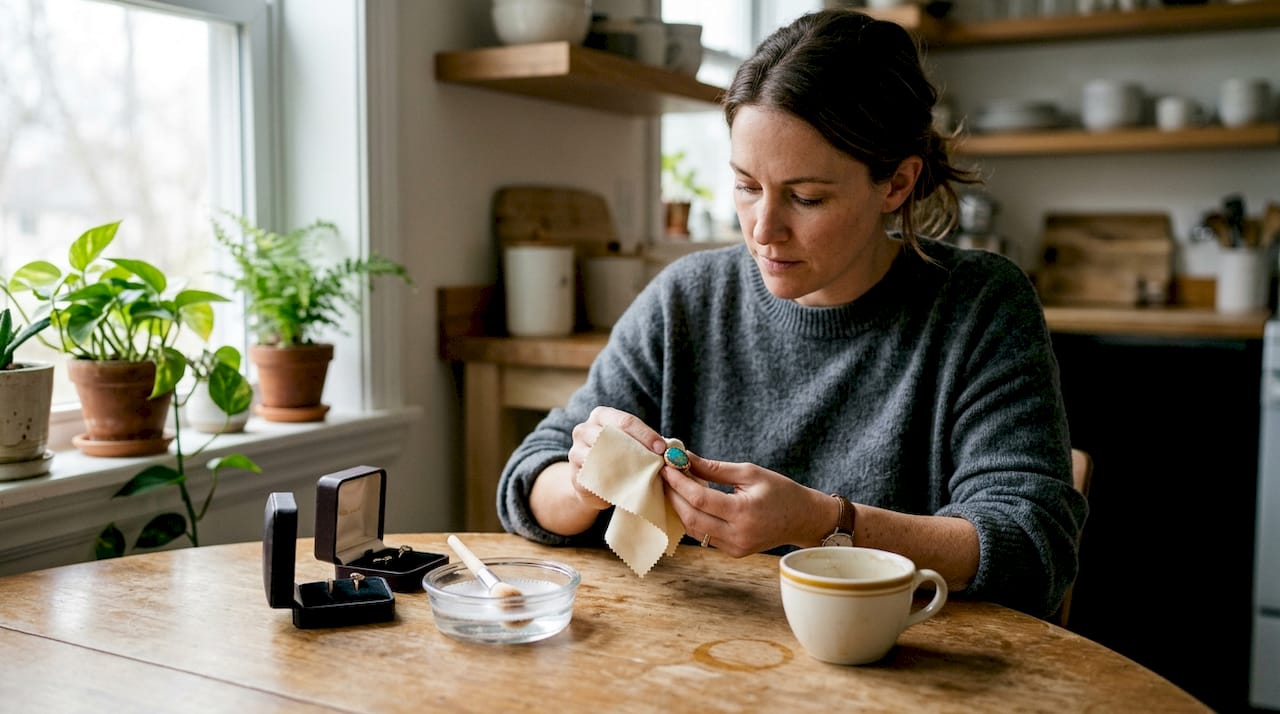
Many opal owners unknowingly damage their precious Australian pieces through improper cleaning or storage, causing irreversible dulling, cracks, or color loss. Your stunning opals deserve specialized care that honors their delicate nature and preserves their mesmerizing play of color. This comprehensive guide walks you through proven techniques for cleaning, storing, and maintaining your Australian opal jewelry, ensuring each piece retains its brilliance for generations. You’ll discover practical steps that protect your investment while celebrating the unique beauty of these remarkable gemstones.
Table of Contents
- Understanding Your Opal’s Delicate Nature And Preparation For Care
- Step By Step Opal Jewelry Cleaning And Maintenance Routine
- Proper Storage And Daily Wear Precautions To Extend Opal Jewelry Longevity
- Recognizing When To Seek Professional Opal Jewelry Care And Restoration
- Explore Exquisite Australian Opal Jewelry And Expert Support
- FAQ
Key takeaways
| Point | Details |
|---|---|
| Gentle cleaning essential | Use mild soap, lukewarm water, and soft cloths to avoid damaging opal’s delicate structure. |
| Storage requires care | Keep opals in padded containers with slight humidity to prevent scratches and dehydration. |
| Avoid harsh treatments | Never use ultrasonic cleaners, chemicals, or extreme temperatures on your opal jewelry. |
| Regular inspections matter | Check for cracks or loose settings and seek professional help when damage appears. |
| Mindful daily wear | Remove opals before physical activities and apply cosmetics before wearing your pieces. |
Understanding your opal’s delicate nature and preparation for care
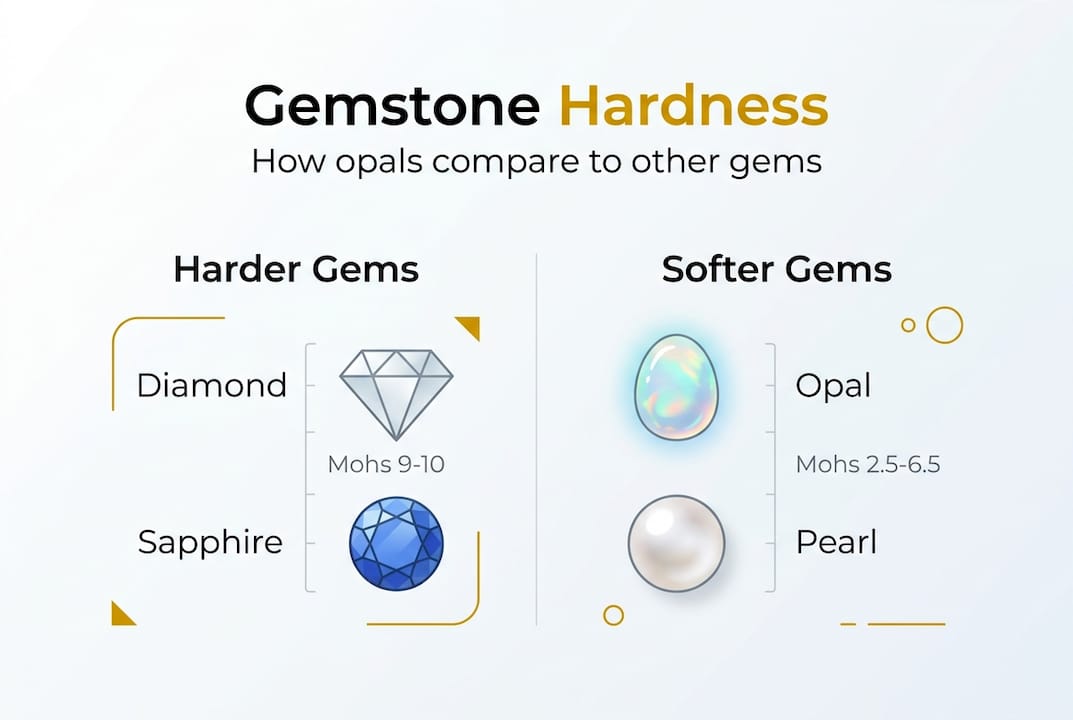
Australian opals captivate with their rainbow fire, but this beauty comes with unique vulnerabilities. Opal is a hydrous silica gemstone with a water content of 3-10%, making it sensitive to dehydration and impact. Unlike diamonds or sapphires, opals rank only 5.5 to 6.5 on the Mohs hardness scale, leaving them prone to scratches from everyday contact with harder materials. Their porous nature means they absorb oils, lotions, and chemicals that can permanently alter their appearance.
Temperature extremes pose another serious threat. Rapid heating or cooling causes internal stress that leads to crazing, those spiderweb cracks that signal irreversible damage. Prolonged dryness pulls moisture from the stone, creating similar fractures. Understanding these vulnerabilities transforms how you approach opal jewelry daily care guidance, making prevention your strongest tool.
Before you begin any care routine, gather the right materials. You need mild liquid soap without moisturizers or additives, lukewarm water, several soft microfiber cloths, and padded jewelry boxes or individual pouches. A small bowl for mixing cleaning solution and a magnifying glass for inspections complete your toolkit. Avoid paper towels, which contain wood fibers that scratch, and skip any commercial jewelry cleaners unless specifically formulated for opals.
Pro Tip: Test any cleaning solution on a hidden spot, like the back of a pendant or inside a ring band, before applying it to visible surfaces.
Essential materials checklist
- Mild liquid soap (dish soap works well)
- Lukewarm water source
- Multiple soft microfiber cloths
- Padded jewelry storage boxes
- Individual soft pouches for each piece
- Small mixing bowl
- Magnifying glass for detailed inspection
Opal hardness comparison
| Gemstone | Mohs Hardness | Scratch Resistance |
|---|---|---|
| Diamond | 10 | Extremely high |
| Sapphire | 9 | Very high |
| Opal | 5.5 to 6.5 | Moderate to low |
| Pearl | 2.5 to 4.5 | Low |
This comparison shows why opals need gentler handling than most other jewelry gemstones. Even dust particles can contain quartz, which rates 7 on the Mohs scale and will scratch your opal’s surface during careless wiping.
Step by step opal jewelry cleaning and maintenance routine
Establishing a consistent cleaning routine prevents buildup that dulls your opal’s fire while avoiding over-handling that risks damage. Use mild soap and lukewarm water with a soft cloth to clean opal jewelry gently, avoiding soaking for long periods. The key lies in brief, gentle contact that removes oils without exposing the stone to prolonged moisture.
Start by preparing your workspace. Fill a small bowl with lukewarm water, never hot or cold, which creates thermal shock. Add just two drops of mild liquid soap and swirl gently to mix. The solution should barely foam. Place a soft towel on your work surface to cushion any accidental drops.
Complete cleaning process
- Dampen a soft microfiber cloth with your prepared cleaning solution, wringing out excess liquid until the cloth is barely moist.
- Gently wipe the opal’s surface using light circular motions, spending no more than 30 seconds per piece.
- Rinse the cloth thoroughly in clean lukewarm water, wring it out, and wipe away any soap residue from the jewelry.
- Immediately pat the piece dry with a separate lint free cloth, ensuring no moisture remains in crevices or settings.
- Inspect the opal under good lighting or with a magnifying glass for any new scratches, chips, or changes in appearance.
- Allow the piece to air dry completely for 10 minutes before returning it to storage or wearing it.
Timing matters significantly. Clean your opal earrings daily care tips after every three to five wears, or immediately after exposure to makeup, perfume, or perspiration. Waiting too long allows oils to penetrate the stone’s porous structure, making removal difficult without aggressive methods you should avoid.
Pro Tip: Clean jewelry in the morning when you’re alert and have good natural lighting to spot potential issues during inspection.
What to avoid during cleaning
- Submerging opal jewelry for more than a few seconds
- Using brushes, even soft toothbrushes, which apply too much pressure
- Applying any abrasive cleaners or polishing compounds
- Cleaning over a sink drain without a safety net
- Rushing the drying process with heat sources
Patience protects your investment. Quick, gentle cleanings every few wears outperform infrequent intensive sessions that stress the stone. Think of it like skincare: consistent gentle care beats occasional harsh treatments.
Proper storage and daily wear precautions to extend opal jewelry longevity
How you store your opals between wears matters as much as how you clean them. Storing opals in soft padded containers helps prevent scratches, while maintaining humidity is essential to avoid drying and cracking. The ideal storage environment mimics the conditions where opals formed naturally, with slight moisture and protection from impact.
Never toss opal jewelry into a shared jewelry box where harder gemstones can scratch it. Each piece deserves its own padded compartment or individual soft cloth pouch. Velvet lined boxes work beautifully, creating a cushioned environment that absorbs minor impacts. For long term storage exceeding a month, place a small damp cotton ball sealed in a plastic bag inside the storage container, keeping it separate from the jewelry to maintain ambient humidity without direct contact.
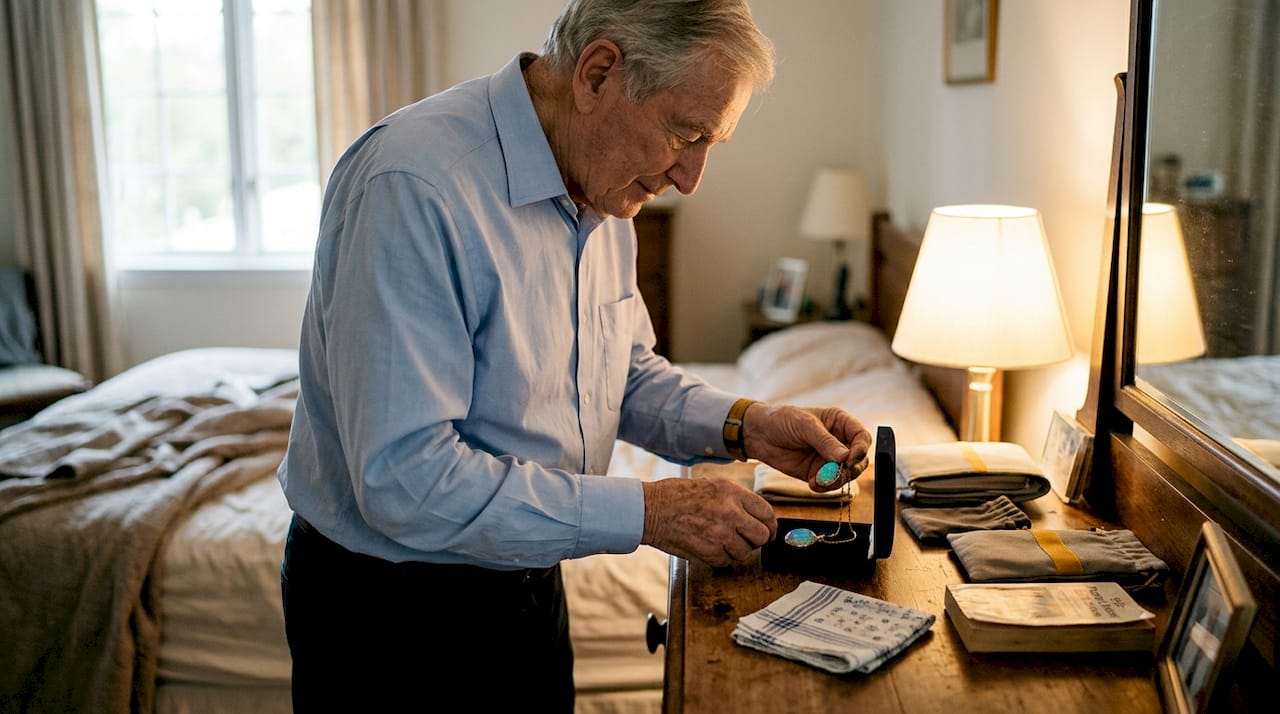
Your wearing habits directly impact longevity. Apply all cosmetics, hairspray, perfume, and lotion before putting on opal jewelry. These products contain chemicals and oils that penetrate the stone’s porous structure, causing cloudiness or color changes over time. Similarly, remove your pieces before showering, swimming, or exercising. Chlorine, saltwater, and perspiration all damage opals progressively.
Storage and wear guidelines
| Practice | Do | Don’t |
|---|---|---|
| Storage location | Use padded individual containers | Store with other jewelry |
| Humidity control | Maintain slight moisture in storage area | Allow complete dryness |
| Daily routine | Wear after applying cosmetics | Apply products while wearing opals |
| Activities | Remove before physical work | Wear during cleaning or sports |
| Temperature | Keep in stable room temperature | Expose to heat or cold extremes |
Temperature stability protects against crazing. Avoid leaving opal jewelry in cars where temperatures fluctuate wildly, near heating vents, or in direct sunlight on windowsills. Even a sunny display case can generate enough heat to stress the stone’s internal structure. Store pieces in a cool, dark drawer or closet where temperature remains consistent.
Smart wearing practices
- Put opal jewelry on last when getting ready
- Remove pieces first when undressing
- Take off rings before washing hands
- Skip wearing opals during household cleaning
- Avoid wearing them in extremely dry climates without extra care
- Remove jewelry before applying hand sanitizer
Consider your daily activities when choosing which pieces to wear. Save your most precious opal rings for special occasions rather than daily wear if your work involves manual tasks. Earrings and pendants face less impact risk than rings and bracelets. This strategic approach lets you enjoy your collection while minimizing damage exposure.
For opal protection and insurance tips, document your pieces with photos and appraisals. This preparation proves invaluable if professional restoration becomes necessary or if you need to file an insurance claim.
Recognizing when to seek professional opal jewelry care and restoration
Even with perfect home care, opals sometimes need expert attention. Professional cleaning or repair is needed if you see crazing, chips, dullness despite regular care, or loose settings. Recognizing these warning signs early prevents minor issues from becoming catastrophic failures that destroy your gemstone.
Crazing appears as fine hairline cracks forming a network across the opal’s surface. This damage results from dehydration, thermal shock, or internal stress, and home remedies cannot reverse it. While some jewelers attempt oil treatments to temporarily mask crazing, only professional assessment determines whether stabilization is possible. Never apply oils yourself, as improper treatment can worsen the condition.
Loose settings demand immediate professional attention. A stone rattling in its mount will eventually fall out and become lost. Jewelers can tighten prongs, resize bezels, or reinforce settings before disaster strikes. Check settings monthly by gently trying to wiggle the stone. Any movement whatsoever requires repair.
Persistent dullness despite proper cleaning indicates deeper issues. The opal may have absorbed oils that penetrated beyond surface cleaning reach, or the stone’s surface may have developed microscopic scratches that diffuse light. Professional jewelers use specialized equipment and techniques to address these problems without risking further damage.
Never attempt to repair cracks or scratches on opals yourself; improper methods can cause irreversible damage.
Signs requiring professional care
- Network of fine cracks across the stone surface
- Visible chips or broken edges
- Stone moving within its setting
- Cloudiness that cleaning cannot remove
- Color changes or dark spots developing
- Loss of play of color or fire
Schedule annual professional inspections even when no problems appear obvious. Jewelers spot early warning signs invisible to untrained eyes, like microscopic setting wear or developing internal stress fractures. This preventive approach costs far less than emergency repairs after catastrophic failure.
Choose jewelers experienced specifically with opals. Not all jewelry professionals understand these gemstones’ unique requirements. Ask about their opal experience, request references, and verify they use appropriate gentle techniques rather than standard jewelry repair methods. The right expert becomes a valuable partner in preserving your collection’s beauty and value.
For vintage opal restoration guide information, professionals can assess whether antique pieces need specialized conservation approaches that differ from modern jewelry care.
Explore exquisite Australian opal jewelry and expert support
Now that you understand proper opal care, you can confidently maintain your collection’s brilliance for years to come. Australian Opal Direct offers a carefully curated selection of genuine Australian opal earrings, rings, and necklaces, each piece showcasing the remarkable fire and color that makes these gemstones legendary. Every item comes with expert guidance on care and styling, ensuring you have the knowledge to protect your investment.

Discover ethically sourced opals from Lightning Ridge, Coober Pedy, and Queensland, backed by authenticity guarantees and comprehensive warranties. Whether you’re expanding your collection or seeking your first statement piece, you’ll find exceptional quality paired with the expertise needed to keep your jewelry stunning. Explore the premium Australian opal jewelry collection and experience the difference that specialist knowledge and direct miner relationships make.
FAQ
How often should I clean my opal jewelry?
Clean your opal jewelry gently after every three to five wears to maintain its natural brilliance without risking damage from over handling. If you notice visible dulling or after exposure to cosmetics, clean immediately regardless of how recently you last cleaned it. Avoid aggressive daily cleaning, which can gradually dry out the stone’s moisture content and lead to cracking.
Can I use ultrasonic cleaners on my opal jewelry?
No, ultrasonic cleaners generate vibrations that cause internal stress fractures and cracking in opal’s delicate structure. These devices work well for harder gemstones but prove disastrous for opals, potentially destroying your piece in a single cleaning session. Always use gentle hand cleaning with soft cloths and mild soap instead of any mechanical cleaning methods.
What is the best way to store opal jewelry?
Store each opal piece separately in its own soft pouch or padded jewelry box compartment to prevent scratches from contact with harder materials. Maintain slight humidity in the storage area by including a sealed damp cotton ball nearby, but never allow direct water contact. Keep storage locations away from heat sources, direct sunlight, and areas with dramatic temperature fluctuations that stress the stone.
When should I get my opal jewelry professionally inspected?
Schedule professional inspections annually as preventive maintenance, even when no visible problems exist. Seek immediate professional attention if you notice crazing, chips, loose settings, persistent cloudiness, or any changes in the stone’s appearance. Early professional intervention prevents minor issues from becoming irreparable damage that destroys your gemstone’s value and beauty.
Recommended
- 7 Best Opal Jewelry Tips Every Collector Should Know - Australian Opal Direct
- How to Display Opal Jewelry for Luxury Appeal - Australian Opal Direct
- 7 Key Advantages of Australian Opals for Jewelry Lovers - Australian Opal Direct
- How to Style Opal Jewelry for Elegant Everyday Looks - Australian Opal Direct