How Opals Get Their Color: Science and Rarity Revealed
Posted by AOD on 5th Dec 2025
How Opals Get Their Color: Science and Rarity Revealed
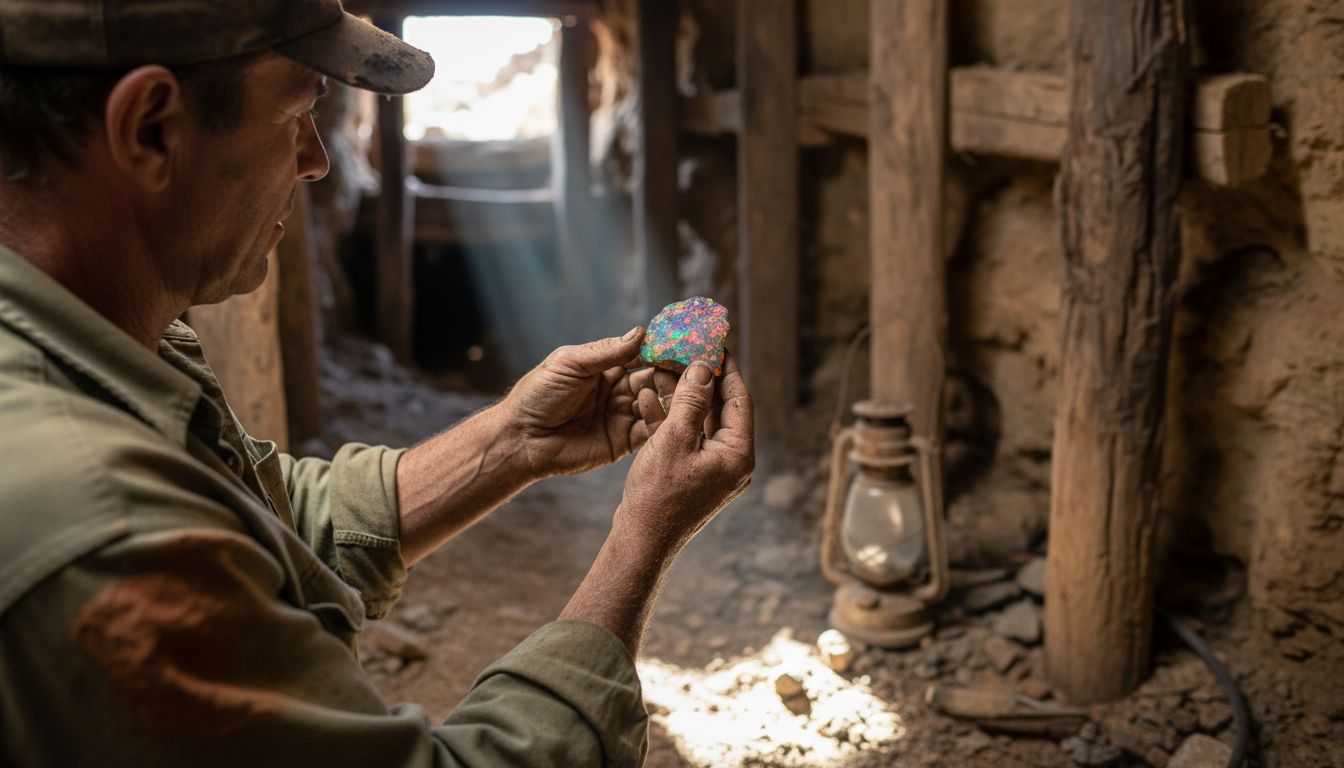
More than 90 percent of the world’s opals come from Australia, yet many American collectors are surprised to discover the science behind these gems is as captivating as their color. The mesmerizing shifts of blue, green, and red give each opal a unique character that no other gemstone can match. Learning what causes these brilliant patterns reveals why opals have fascinated people across continents for centuries.
Table of Contents
- What Makes Opals Uniquely Colorful
- Play-of-Color Explained: The Science Within
- Australian Opal Types and Regional Distinctions
- Natural Versus Treated Opals: Key Differences
- Factors That Influence Opal Color Value
Key Takeaways
| Point | Details |
|---|---|
| Unique Color Display | Opals exhibit a vibrant play-of-color due to precise arrangements of microscopic silica spheres that act as natural prisms. |
| Regional Varieties | Australian opals have distinct characteristics based on their regional origins, influencing their rarity and value. |
| Natural vs. Treated | Natural opals are unaltered by human processes, while treated opals undergo enhancements that can affect their value. |
| Factors of Value | Opal value is driven by color intensity, complexity of patterns, and the uniqueness of each stone’s color display. |
What Makes Opals Uniquely Colorful
Opals possess an extraordinary visual phenomenon that sets them apart from other gemstones: their remarkable ability to display vibrant, shifting colors. This captivating color display emerges from a precise microscopic structure that acts like a natural light prism. Microscopic silica spheres arranged in an incredibly uniform grid create a diffraction mechanism that produces stunning spectral colors.
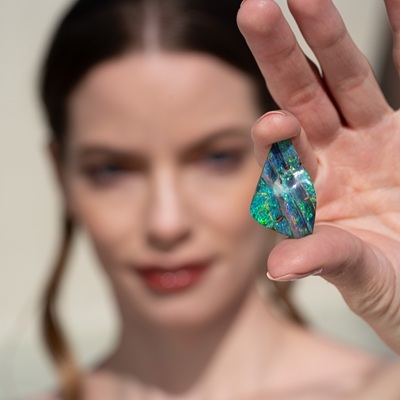
The magic happens through a complex optical process called play-of-color. When light enters an opal, these meticulously organized silica spheres interact with incoming light waves, causing them to bend, reflect, and scatter in multiple directions. Each sphere acts like a tiny mirror, redirecting light and creating flashes of blue, green, red, and orange that seem to dance and shift as the stone moves. This precise arrangement determines not just the presence of color, but the specific hues and intensity of the display.
The size and uniformity of these silica spheres are critical in determining an opal’s color quality. Smaller, more tightly packed spheres typically produce blue and green tones, while larger spheres generate red and orange hues. Precious opals with the most consistent sphere sizes create the most spectacular and vivid color displays, making them highly prized among collectors and jewelry enthusiasts. This intricate natural engineering transforms opals from simple minerals into living, breathing works of art that capture light in ways no other gemstone can match.
Play-of-Color Explained: The Science Within
The mesmerizing phenomenon of play-of-color represents a stunning optical performance that transforms opals from ordinary stones into living, breathing works of art. Diffraction of light through an opal’s internal structure creates a dynamic display of shifting colors that captivates gemstone enthusiasts and scientists alike. This intricate light show occurs when precisely arranged microscopic silica spheres interact with incoming light waves, generating a spectacular visual effect unique to opals.
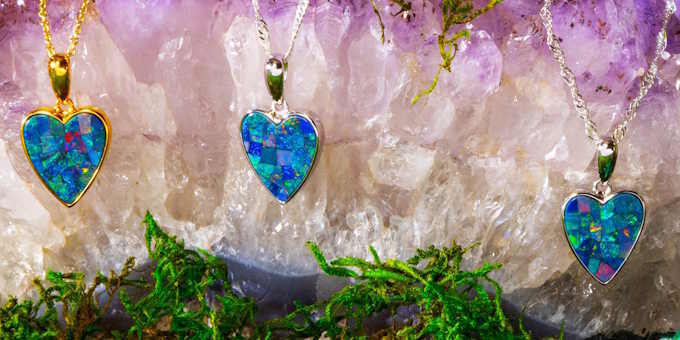
At the heart of this phenomenon are microscopic silica spheres arranged in an incredibly precise grid. When light enters the stone, these tiny spheres act like miniature prisms, bending and scattering light in multiple directions. The size and arrangement of these spheres determine the specific colors and patterns observed, ranging from delicate pinfire patterns with small, scattered color points to dramatic harlequin patterns with larger, more defined color blocks. Smaller spheres typically generate cooler blue and green tones, while larger spheres create warmer red and orange hues.
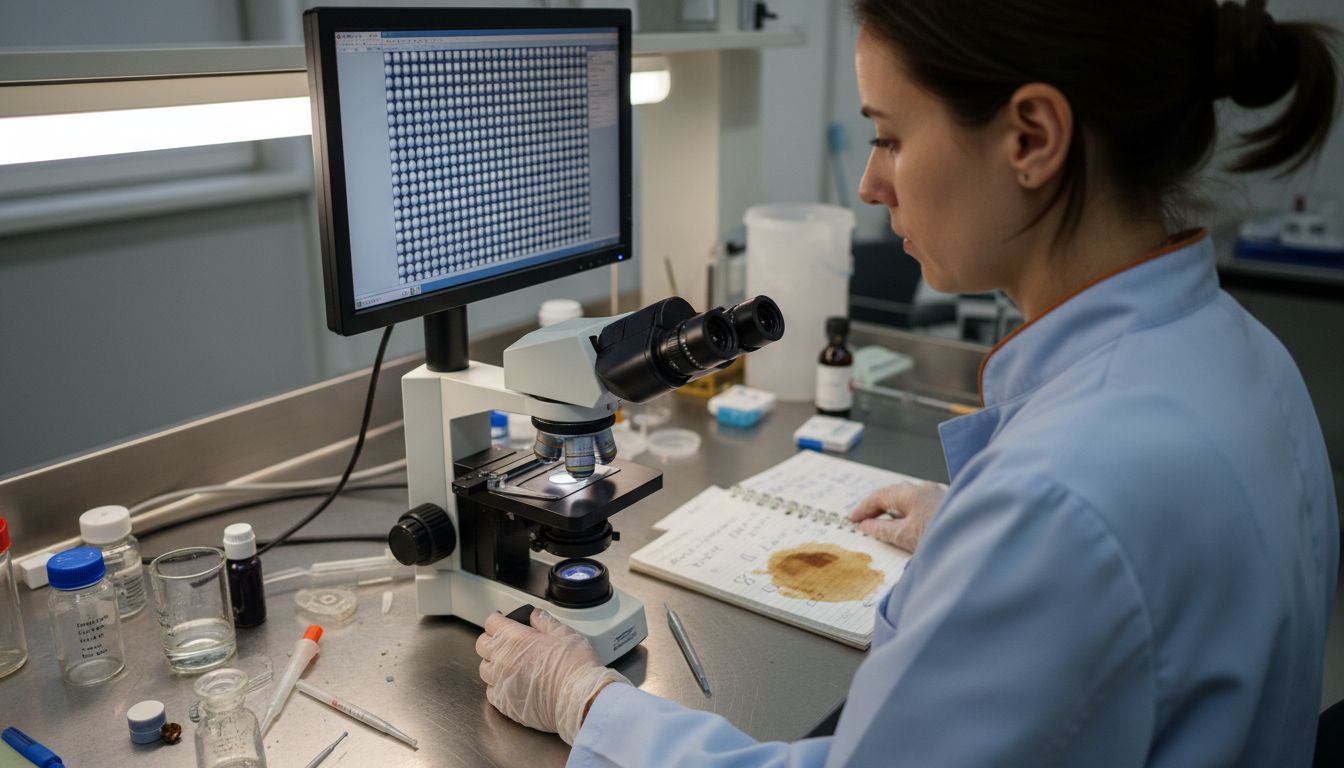
Understanding play-of-color requires appreciating the remarkable precision of nature’s design. Each opal is essentially a complex optical instrument, with silica spheres creating a natural diffraction grating that splits white light into its spectral components. The most valuable opals demonstrate the most consistent and vivid color displays, with spheres so uniformly arranged that they create an almost holographic effect of dancing, shifting colors that seem to change with every subtle movement of the stone.
Australian Opal Types and Regional Distinctions
Australian opals represent a geological treasure trove, with each region producing distinctive gemstones that reflect unique environmental conditions. The continent’s diverse geological landscapes create remarkable variations in opal formation, resulting in spectacular stones with individual characteristics that make them prized among collectors worldwide. From the arid expanses of Lightning Ridge to the remote mining regions of Coober Pedy and Queensland, Australia’s opal-producing areas each contribute their own remarkable signature to the world of gemstones.
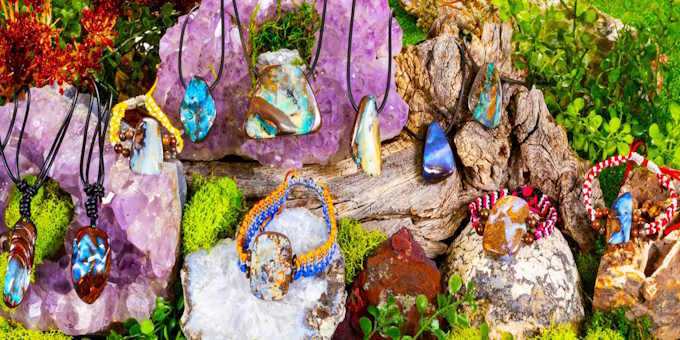
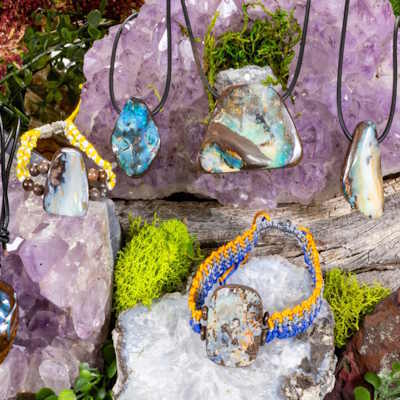
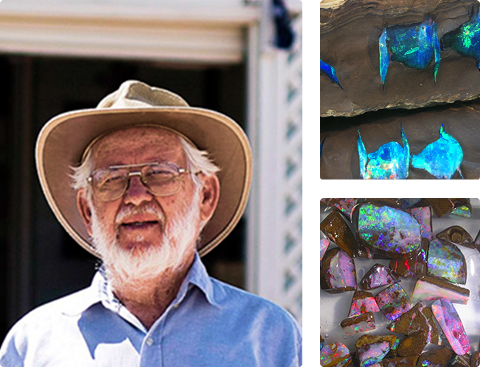
Three primary regions dominate Australian opal production, each known for its distinctive opal varieties. Lightning Ridge in New South Wales is renowned for producing extraordinary black opals, characterized by their dark body tone and vibrant color play. Coober Pedy, located in South Australia’s harsh desert, generates white opals with more subtle color displays. Queensland offers distinctive boulder opals, unique stones that form within ironstone matrix, creating dramatic patterns and color combinations that are instantly recognizable to experienced collectors.
The geological conditions of each region profoundly influence opal formation and quality. Variations in silica deposition, ground temperature, and mineral compositions create the nuanced differences between regional opal types. Lightning Ridge’s black opals, for instance, develop in ancient sedimentary rock layers, while Queensland’s boulder opals form through complex interactions between silica-rich solutions and ironstone. These regional distinctions not only determine an opal’s appearance but also contribute significantly to its rarity, value, and collectibility, making each Australian opal a unique testament to the continent’s extraordinary geological history.
Natural Versus Treated Opals: Key Differences
Natural opals represent the pinnacle of geological artistry, formed through millions of years of intricate environmental processes without human intervention. These gems emerge from the earth with their color, pattern, and structural integrity entirely determined by natural conditions, making each stone a unique testament to geological complexity. Collectors and enthusiasts prize natural opals for their untouched beauty and the geological narrative embedded within their crystalline structure.
Treated opals, by contrast, undergo enhancement processes designed to improve their visual appeal or structural stability. These treatments can range from subtle interventions to more extensive modifications, including impregnation with oils, resins, or synthetic compounds that alter the stone’s appearance and durability. While some treatments aim to stabilize fragile opals, others seek to intensify color or mask imperfections, fundamentally changing the gem’s original characteristics.
Variations in treatment techniques significantly impact an opal’s value, authenticity, and long-term performance. Ethical sellers must disclose any treatments, as they can dramatically affect the stone’s market price and maintenance requirements. Sophisticated buyers learn to distinguish between natural opals that showcase inherent geological beauty and treated stones that have been artificially enhanced. The most valuable opals remain those with minimal intervention, where the stone’s natural play-of-color and structural integrity speak to its authentic geological origins.
Factors That Influence Opal Color Value
Color intensity and complexity represent the primary drivers of an opal’s value, transforming these geological wonders from simple stones into prized collector’s items. The most valuable opals demonstrate a mesmerizing dance of vibrant colors that shift and sparkle with every movement, creating a living, breathing visual experience. Unlike other gemstones that rely on a single dominant color, opals captivate with their ability to display multiple spectral hues simultaneously, making each stone a unique masterpiece of natural artistry.
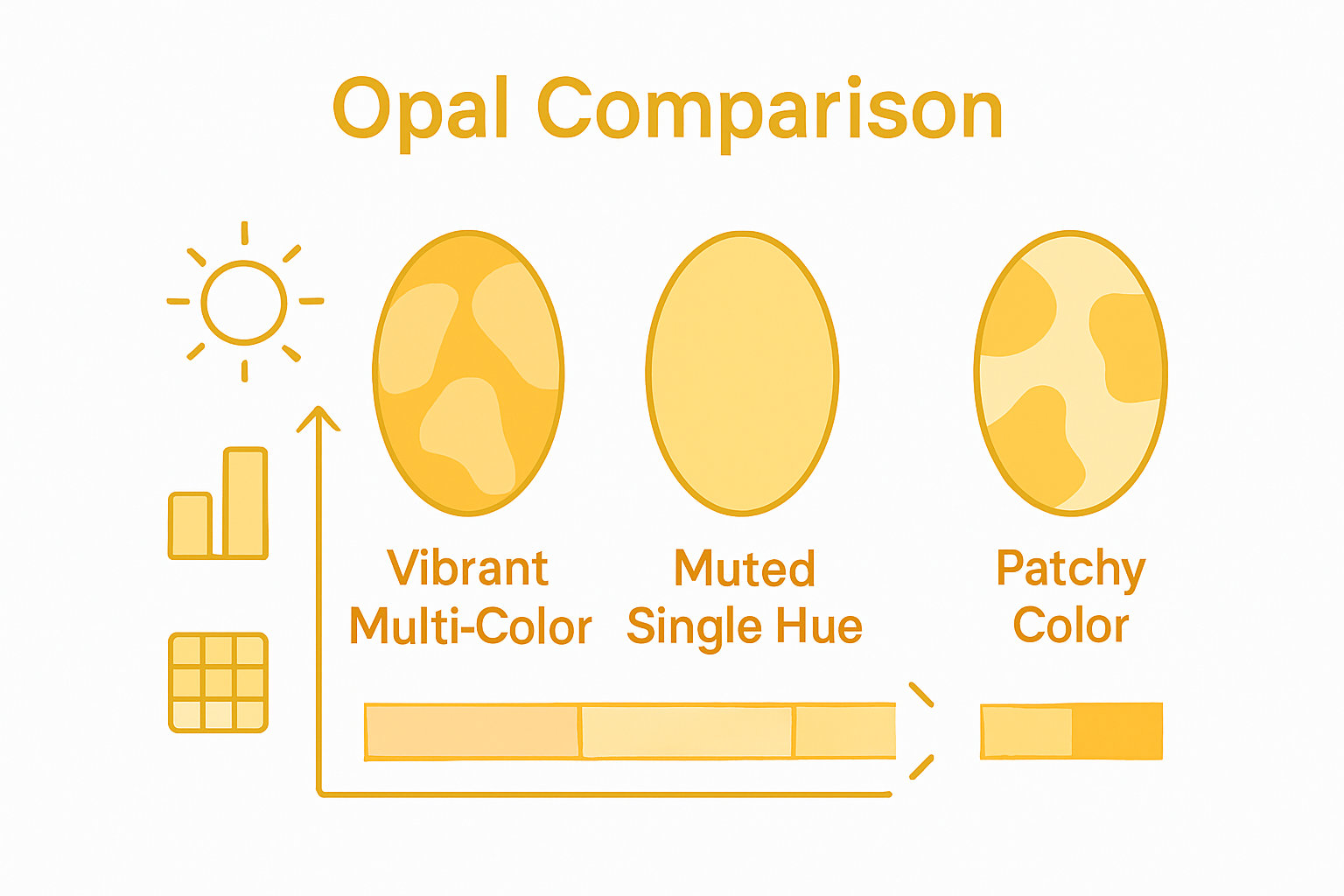
The spectrum of color factors determines an opal’s market worth and collector desirability. Brightness emerges as a critical element, with the most valuable opals producing intense, saturated color flashes that appear vivid and electric against the stone’s background. Pattern complexity also plays a significant role, with rare configurations like harlequin patterns commanding premium prices. Black opals from Lightning Ridge, featuring dramatic color play against a dark background, represent the pinnacle of opal valuation, showcasing the most striking and dynamic color interactions.
Beyond visual brilliance, additional nuanced factors influence an opal’s color value. The size of color patches, the range of colors displayed, and the uniformity of the color distribution all contribute to the stone’s overall assessment. Collectors and gemologists look for opals that demonstrate a balanced, symmetrical color display with multiple spectral hues that transition smoothly and create a harmonious visual effect. The most exceptional opals tell a visual story through their color, transforming from subtle shimmer to explosive color bursts with the slightest movement.
Discover the True Brilliance of Australian Opals
Understanding how opals get their stunning color reveals the incredible rarity and natural artistry behind each stone. If you value the precise play-of-color created by microscopic silica spheres and seek authentic opals with vibrant, shifting hues from renowned locations like Lightning Ridge or Coober Pedy, your search ends here. Finding ethically sourced, natural opals that showcase the full spectrum of dazzling colors is a challenge for collectors and enthusiasts alike.

Explore our exclusive selection at Australian Opal Direct where every piece tells a story of natural wonder and geological heritage. Now is the perfect time to own a genuine Australian opal that reflects both the science and beauty explained in this article. Act today to experience unmatched color quality and craftsmanship with our curated collections and custom jewelry options. Visit Australian Opal Direct and let the living light of these extraordinary gems captivate you.
Frequently Asked Questions
What causes the vibrant colors in opals?
The vibrant colors in opals are caused by a specific arrangement of microscopic silica spheres that create a diffraction mechanism, resulting in a display known as play-of-color. This optical phenomenon bends, reflects, and scatters light, producing various hues.
How do the size and arrangement of silica spheres affect opal color?
The size and arrangement of the silica spheres play a crucial role in determining the colors observed in an opal. Smaller spheres typically produce cooler tones like blue and green, while larger spheres generate warmer hues such as red and orange.
What is the difference between natural and treated opals?
Natural opals are formed through geological processes without human intervention, showcasing their intrinsic beauty. Treated opals, on the other hand, undergo enhancements to improve their appearance or stability, which can affect their value and marketability.
What factors contribute to the value of an opal?
The value of an opal is influenced by factors such as color intensity, complexity of patterns, brightness, and the uniformity of color distribution. Unique configurations, like harlequin patterns, and the presence of dramatic color play also significantly enhance an opal’s market worth.
Recommended
- Opal Stone 101: History, Symbolism, and Uses - Australian Opal Direct
- Rare Opals Explained: Identifying Value and Rarity - Australian Opal Direct
- Meaning of Opal Colors: Complete Guide for Collectors - Australian Opal Direct
- How rare is opal? - Australian Opal Direct
- Décodage Des Couleurs De Pierres : Guide Complet – Boutique Lithotherapie