Coober Pedy Opal Guide: Everything You Need To Know
Posted by AOD on 6th Nov 2025
Coober Pedy Opal Guide: Everything You Need To Know
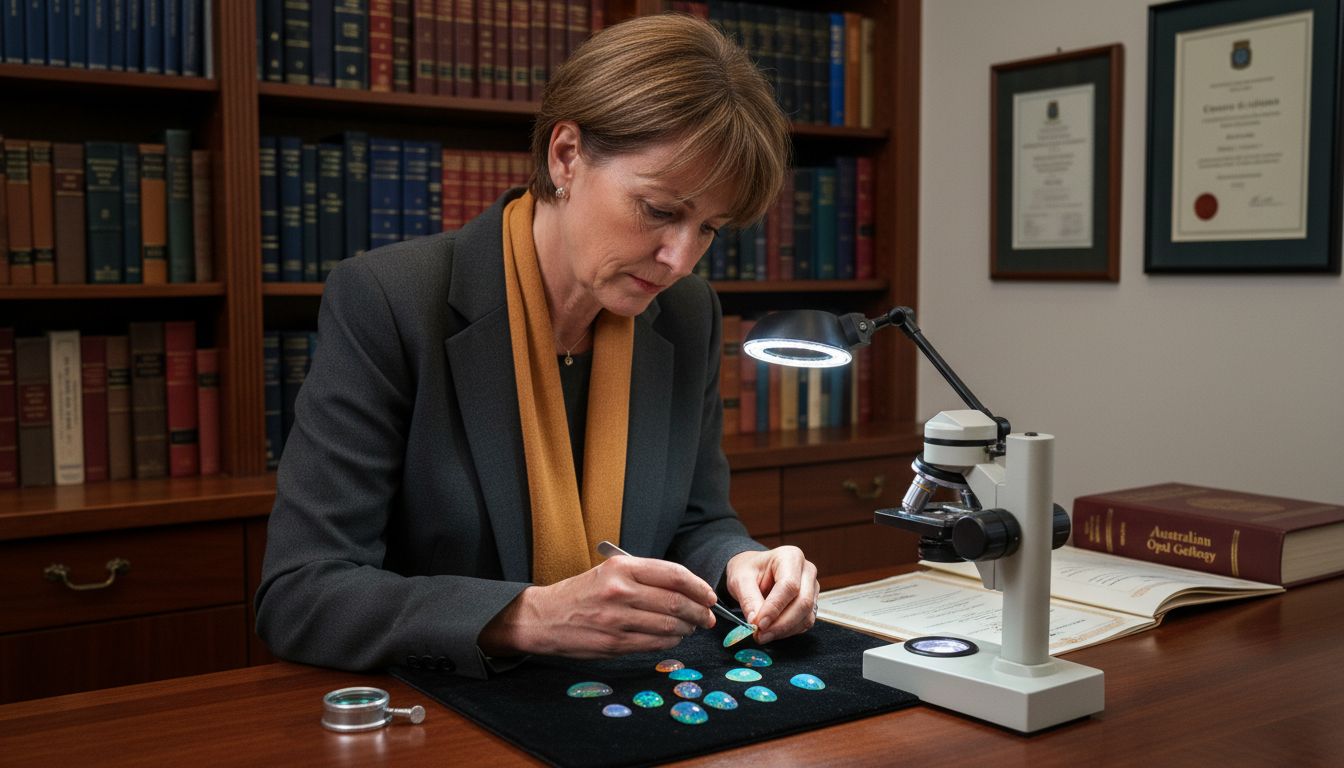
Over 90 percent of the world’s opals come from Australia, yet only a small fraction display the breathtaking color play found in Coober Pedy stones. These opals capture the wild beauty of South Australia’s desert, blending rare geological origins with spectacular flashes of color. Whether you are a collector or a jewelry lover, understanding what makes Coober Pedy opals unique unlocks the secrets behind their mesmerizing rainbow hues and enduring global appeal.
Table of Contents
- What Makes Coober Pedy Opals Unique
- Types and Varieties of Coober Pedy Opals
- Mining, Sourcing, and Ethical Standards
- Valuation and Identifying Genuine Opals
- Buying Tips and Common Pitfalls
Key Takeaways
| Point | Details |
|---|---|
| Unique Formation | Coober Pedy opals are formed from silica-rich water creating a distinctive microstructure that diffracts light into vibrant colors. |
| Diverse Varieties | The region produces several opal types, including white, crystal, light, and milky opals, each with unique visual and value characteristics. |
| Ethical Mining Practices | Modern opal mining in Coober Pedy emphasizes minimal environmental impact and respects indigenous rights while promoting sustainable extraction methods. |
| Value Assessment | Key factors for valuing opals include color intensity, transparency, and pattern complexity; certifications should be verified before purchasing. |
What Makes Coober Pedy Opals Unique
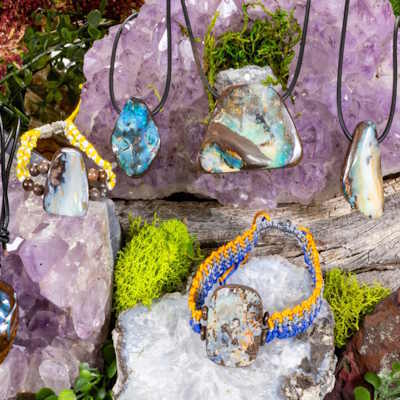
Coober Pedy opals are extraordinary geological treasures with a fascinating formation process that sets them apart from other gemstones. According to Clayton Graham, these remarkable stones emerge from a unique geological phenomenon where silica-rich water penetrated deep cracks and voids in the Earth’s crust, creating an extraordinary microstructure that diffracts white light into a stunning spectrum of colors.
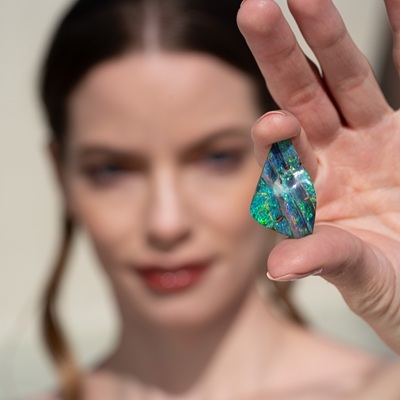
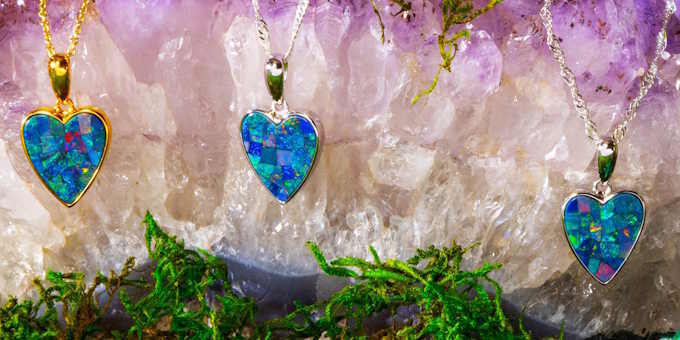
The distinctive formation process of Coober Pedy opals makes them truly exceptional in the world of gemstones. Unlike other opals, these gems develop in a hydrated amorphous silica structure that produces an incredible play-of-color effect. This means each stone contains microscopic silica spheres arranged in precise patterns that interact with light in mesmerizing ways, creating vibrant, dynamic color displays that seem to dance and shift with movement.
What truly distinguishes Coober Pedy opals are their remarkable characteristics:
- Exceptional Color Range: From electric blues and greens to fiery oranges and reds
- Unique Geological Origin: Formed in the harsh desert landscape of South Australia
- Rare Light Diffraction: Microscopic silica structures that create unparalleled color play
- High Translucency: Often featuring remarkable clarity and light transmission
These opals are not just gemstones but geological marvels that represent millions of years of intricate natural processes. Each stone tells a story of geological transformation, capturing the raw beauty of underground mineral formations in a way that makes Coober Pedy opal types for collectors so captivating for enthusiasts and jewelry lovers worldwide.
Types and Varieties of Coober Pedy Opals
Coober Pedy is renowned for its remarkable diversity of opal types, each with unique characteristics that captivate collectors and jewelry enthusiasts. According to Opal.org, white opals represent approximately 60% of all opals mined in this region, characterized by their distinctive magnesium oxide base that contributes to their unique appearance.
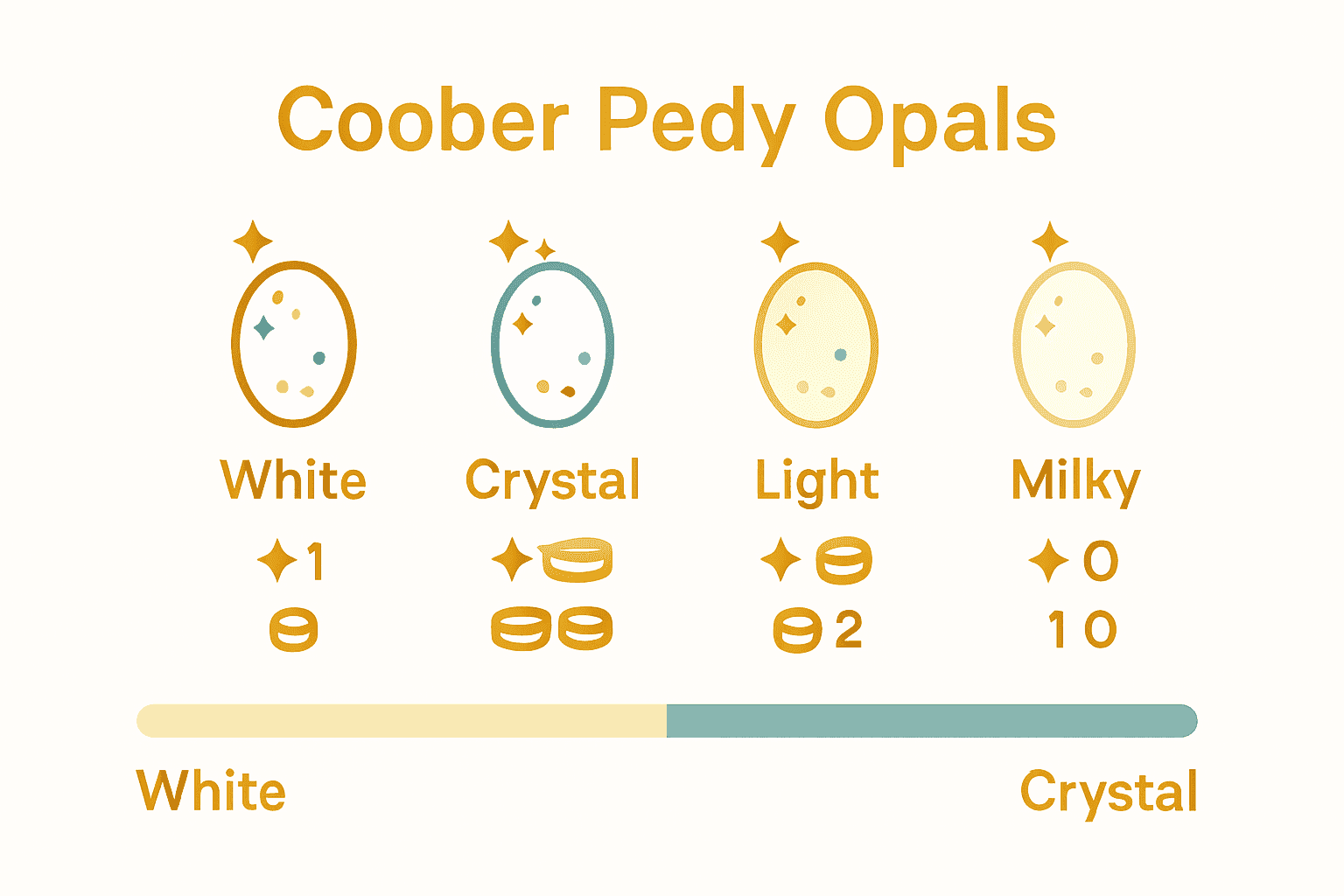
The primary varieties of Coober Pedy opals can be categorized into several fascinating types:
Here’s a summary of the main types of Coober Pedy opals and their key characteristics:
| Opal Type | Appearance | Color Play | Value Impact |
|---|---|---|---|
| White Opal | Pale base, often translucent | Subtle to vivid colors | Most common, high when clear |
| Crystal Opal | Transparent to semi-transparent | Brilliant, intense hues | Highly valued |
| Light Opal | Soft pastel tones | Gentle color shifts | Moderate to high |
| Milky Opal | Opaque white background | Distinct color patterns | Variable, often collectible |
- White Opals: Pale background with subtle color play
- Crystal Opals: Translucent with vibrant internal color displays
- Light Opals: Soft pastel tones with gentle color shifts
- Milky Opals: Opaque white background with brilliant color patterns
Each variety demonstrates extraordinary optical properties. The white opals, in particular, are prized for their translucency, which directly impacts their value. As the stone becomes more transparent, its ability to display vibrant colors increases dramatically.
 This characteristic makes Coober Pedy white opals some of the most sought-after gemstones in the world.
For collectors and jewelry designers seeking to explore the nuanced world of these remarkable stones, Coober Pedy opal guide for collectors offers comprehensive insights into selecting and appreciating these geological treasures. From understanding color variations to recognizing premium specimens, Coober Pedy opals continue to fascinate with their unique geological history and breathtaking visual complexity.
Mining, Sourcing, and Ethical Standards
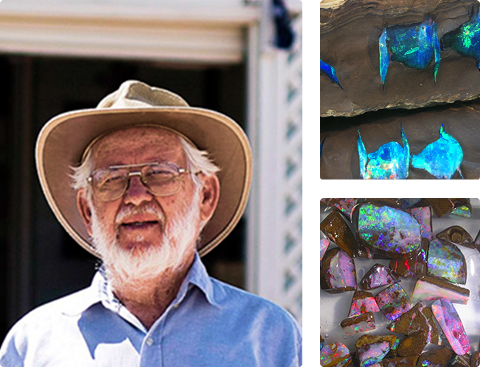
The history of Coober Pedy’s opal mining is a fascinating tale of discovery and persistence. According to Wikipedia, the region’s opal mining legacy dates back to 1915, with the area becoming a critical global supplier of gem-quality opals. The mining regulations are uniquely structured to support small-scale prospectors, with each miner allowed a 165-square-foot claim, encouraging individual entrepreneurship and sustainable extraction practices.
Ethical sourcing has become a cornerstone of modern opal mining in Coober Pedy. The mining approach emphasizes several key principles:
- Minimal environmental disruption
- Respect for indigenous land rights
- Fair compensation for local miners
- Sustainable extraction techniques
- Transparent supply chain management
The mining process in Coober Pedy is intricate and requires specialized skills. Prospectors use heavy machinery and sophisticated geological techniques to extract opals from underground deposits. The region boasts over 70 distinct opal fields, each with unique geological characteristics that demand expertise and careful exploration. Modern miners combine traditional prospecting methods with advanced technological tools to locate and extract these precious gemstones.
For collectors and jewelry enthusiasts interested in understanding the intricate world of ethically sourced opals, where opals are found provides comprehensive insights into the complex journey from underground deposits to stunning jewelry pieces. Coober Pedy’s commitment to responsible mining ensures that each opal not only represents geological beauty but also reflects a deep respect for the land and its communities.
Valuation and Identifying Genuine Opals
Identifying and valuing Coober Pedy opals requires a sophisticated understanding of their unique characteristics. According to Opal.org, translucency plays a crucial role in determining an opal’s value, with more transparent stones commanding higher prices due to their enhanced color clarity and vibrancy.
The key factors in assessing an opal’s authenticity and value include:
- Color Intensity: Brightness and depth of color patterns
- Transparency: Level of light penetration through the stone
- Pattern Complexity: Unique color play and distribution
- Size and Weight: Larger stones with consistent qualities are more valuable
- Surface Finish: Smooth, well-polished surfaces increase desirability
Experienced gemologists employ multiple techniques to verify an opal’s genuineness. These include microscopic examination of internal structures, light refraction tests, and careful assessment of color play. Partially translucent white opals, which exhibit crystal opal characteristics, are particularly prized for their exceptional optical properties and investment potential.
For collectors seeking comprehensive guidance on assessing opal quality, opal value guide provides expert insights into the nuanced world of gemstone evaluation. Understanding these intricate details ensures that enthusiasts can confidently identify and appreciate the remarkable beauty of genuine Coober Pedy opals.
Buying Tips and Common Pitfalls
Navigating the world of Coober Pedy opals requires careful consideration and expert knowledge. According to Opal.org, natural opals with higher translucency are significantly more valuable, making it crucial for buyers to understand the nuances of authentic gemstone selection.
Common pitfalls that buyers should be aware of include:
- Enhanced Treatment Risks: Artificially treated opals that lose value quickly
- Transparency Deception: Misleading representations of stone quality
- Pricing Inconsistencies: Dramatic price variations without clear justification
- Authenticity Verification: Challenges in confirming genuine origins
- Structural Integrity: Hidden internal flaws that compromise long-term value
Successful opal purchasing demands a strategic approach. Buyers should always request detailed certification, understand the stone’s specific origin, and examine the opal under multiple light conditions. Professional gemological assessment can reveal subtle characteristics that distinguish truly exceptional Coober Pedy opals from mediocre specimens.
For collectors seeking comprehensive protection and guidance, opal certification guide offers invaluable insights into making informed purchasing decisions. Understanding these critical nuances ensures that enthusiasts invest in genuine, high-quality opals with confidence and expertise.
Discover the True Beauty of Coober Pedy Opals with Confidence
Navigating the unique world of Coober Pedy opals can feel overwhelming with so many factors like translucency, color play, and authenticity to consider. Whether you’re a passionate collector or searching for a meaningful jewelry piece, understanding these rare gemstones is essential to avoid common pitfalls such as enhanced treatment risks or misrepresented transparency. At Australian Opal Direct, we connect you directly to ethically sourced, genuine Coober Pedy opals mined with care and respect for the land and its communities.

Explore our curated collection featuring exquisite rings, pendants, and custom designs that showcase the remarkable play of color and clarity unique to Coober Pedy stones. Benefit from our 90-day warranty, free shipping, and expert guidance to confidently select opals that tell a story as rich as their geological heritage. Start your journey today by visiting Australian Opal Direct and learn more with our Coober Pedy opal guide for collectors and opal certification guide. Experience the difference that comes from buying direct from trusted miners and own a piece of Australia’s extraordinary natural wonder now.
Frequently Asked Questions
What makes Coober Pedy opals unique compared to other types of opals?
Coober Pedy opals are unique due to their distinctive formation process, which creates a hydrated amorphous silica structure that diffracts light into vibrant colors. This results in a remarkable play-of-color effect, and the gems often exhibit exceptional translucency and clarity.
What are the main types of Coober Pedy opals and their characteristics?
The primary types of Coober Pedy opals include white opals, crystal opals, light opals, and milky opals. White opals are pale with subtle color play, crystal opals are transparent with brilliant hues, light opals feature soft pastel tones, and milky opals are opaque with distinct color patterns.
How is the value of Coober Pedy opals determined?
The value of Coober Pedy opals is determined by several factors including color intensity, transparency, pattern complexity, size, weight, and surface finish. More transparent stones with vibrant colors are usually more valuable due to their enhanced visibility and appeal.
What should I consider when assessing the authenticity of Coober Pedy opals?
When assessing the authenticity of Coober Pedy opals, consider factors such as color intensity, transparency, pattern complexity, and any potential treatments the stone may have undergone. Professional gemological assessments can help confirm genuineness and identify quality indicators.