What Is Opal Carving and Its Impact on Jewelry
Posted by AOD on 7th Dec 2025
What Is Opal Carving and Its Impact on Jewelry
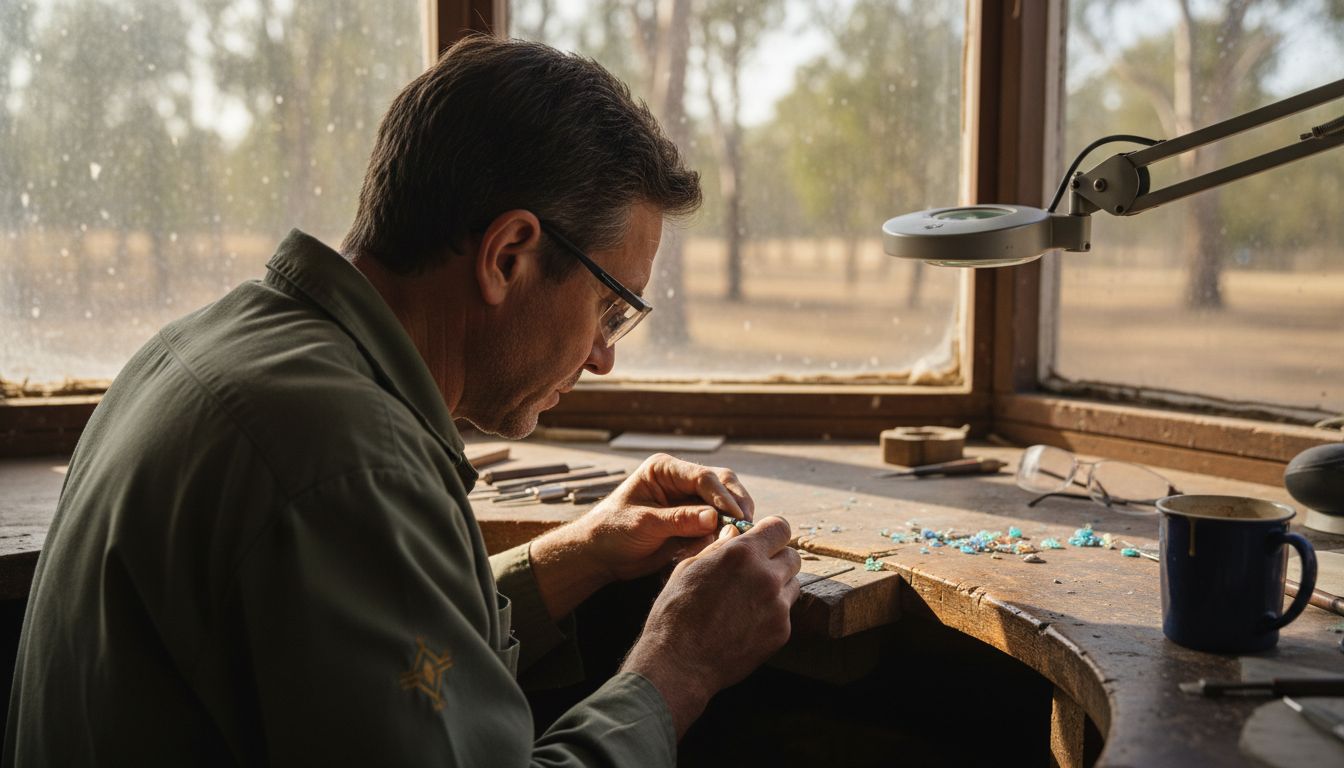
Most American collectors assume opal carving involves little more than basic shaping, yet this artisan craft demands years of specialized training and deep geological knowledge. With the rise of opal artistry in fine jewelry, understanding the difference between simple cutting and true carving is crucial. This guide clears up common misunderstandings and sheds light on what sets master carvers apart, ensuring you can recognize authentic skill and value when choosing unique opal pieces.
Table of Contents
- Opal Carving Defined And Common Misconceptions
- Major Techniques And Artistic Styles
- Australian Opal Varieties Used In Carving
- Importance In Fine And Custom Jewelry
- Costs, Value Factors, And Collector Tips
- Common Pitfalls And Quality Indicators
Key Takeaways
| Point | Details |
|---|---|
| Opal Carving is a Skilled Art Form | It requires precision and a deep understanding of geological properties to enhance an opal’s natural beauty. |
| Diverse Techniques and Styles Exist | Techniques like optical dish and freeform carving showcase a range of artistic expression in transforming opals. |
| Value is Influenced by Various Factors | Color intensity, carving complexity, and provenance significantly affect the pricing of carved opals. |
| Quality Indicators are Crucial | Assessing structural integrity, color consistency, and carving precision is essential for evaluating opal quality. |
Opal Carving Defined and Common Misconceptions
Opal carving is a sophisticated artisan craft that transforms raw gemstones into exquisite sculptural forms, converting natural mineral landscapes into intricate three-dimensional designs. Unlike basic cutting techniques, opal carving requires extraordinary precision and specialized skills to reveal the stone’s inherent beauty and optical characteristics. Artisans carefully study each opal’s unique color play, translucency, and internal structural patterns before determining the most appropriate sculpting approach.
Many people mistakenly believe opal carving is simply about reducing stone size, but it represents a nuanced artistic process that demands deep geological understanding and masterful technical expertise. Skilled carvers must comprehend how light interacts with the stone’s complex molecular structure, strategically removing material to enhance its natural color spectrum and optical performance. Professional carvers often spend years developing techniques that maximize an opal’s potential without compromising its structural integrity.
The misconceptions surrounding opal carving extend beyond technical assumptions. Some jewelry enthusiasts wrongly assume that all opals can be carved identically, overlooking the significant variations between different opal types like Australian black opals and white opals. Each opal variety requires unique handling techniques, with some being more fragile or prone to fracturing during the carving process. Expert carvers must assess each stone’s individual characteristics, using specialized tools and microscopic precision to transform raw material into stunning artistic expressions that showcase the gem’s natural magnificence.
Carving techniques range from traditional cabochon styles to intricate sculptural forms that push the boundaries of gemstone artistry. Modern opal carvers utilize both traditional hand tools and advanced computer-aided design technologies to create increasingly complex and detailed designs. Whether producing minimalist geometric shapes or elaborate figurative sculptures, these artisans represent a critical link between geological wonder and wearable art, transforming ordinary stones into extraordinary jewelry pieces that capture light, color, and imagination.
Major Techniques and Artistic Styles
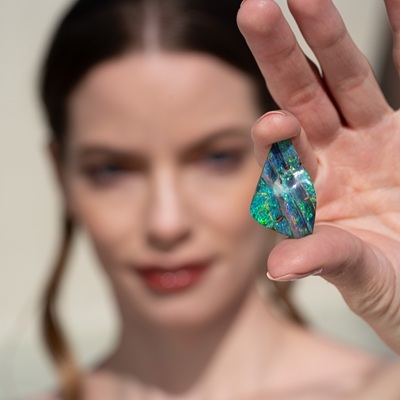
Opal carving encompasses a diverse range of artistic techniques that transform raw gemstones into breathtaking three-dimensional masterpieces. Optical dish carving represents one of the most sophisticated approaches, where artisans strategically create concave facets that dramatically enhance the stone’s visual dynamism. This intricate method requires extraordinary precision, allowing carvers to manipulate light reflection and refraction within the opal’s internal structure.
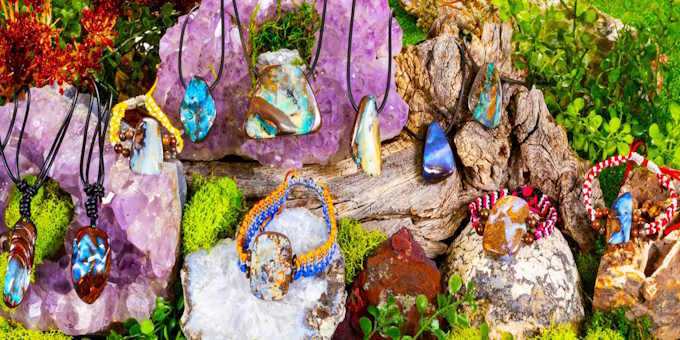
Professional opal carvers utilize multiple artistic styles, each demanding unique skills and specialized tools. Freeform carving emerges as a particularly expressive technique, where artisans follow the natural contours and inherent patterns of the stone. Unlike rigid geometric approaches, freeform methods allow maximum creative expression while preserving the opal’s structural integrity. These techniques range from minimalist sculptural forms to complex, narrative-driven designs that transform opals into miniature works of art.
The complexity of opal carving extends beyond traditional techniques, incorporating advanced technological approaches. Modern carvers integrate computer-aided design technologies with traditional hand tools, creating increasingly sophisticated sculptural forms. Techniques like relief work and intaglio provide additional avenues for artistic exploration, enabling craftsmen to develop intricate three-dimensional landscapes within the stone. These methods require not just technical skill, but a profound understanding of geological characteristics and light interaction.
Artistic styles in opal carving reflect a deep dialogue between natural mineral formation and human creativity. Some carvers specialize in representational techniques that capture organic forms like flowers, animals, or landscape elements, while others pursue abstract designs that emphasize the stone’s inherent color play and optical properties. Each carved piece becomes a unique intersection of geological wonder and artistic vision, transforming ordinary gemstones into extraordinary sculptural expressions that capture imagination and light.
Australian Opal Varieties Used in Carving
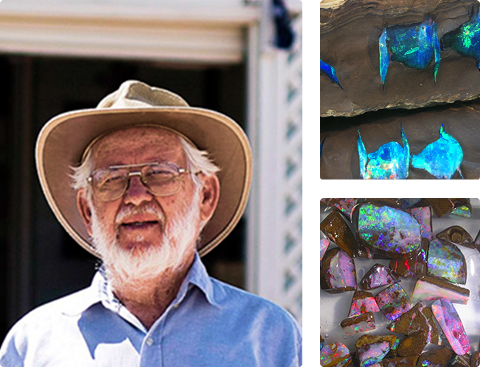
Australian opals represent the pinnacle of gemstone diversity, offering carvers an extraordinary palette of colors, patterns, and optical characteristics. Notable opal discoveries from regions like Lightning Ridge and Coober Pedy have established Australia as a global epicenter for premium opal production. Each geographical region produces distinct opal varieties that present unique challenges and opportunities for skilled artisan carvers.
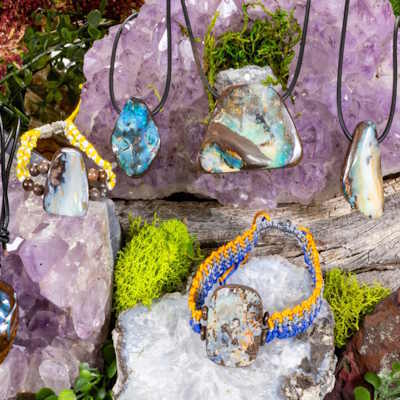
The black opal from Lightning Ridge stands as the most prized variety for intricate carving, renowned for its intense dark body tone and vibrant color play. These opals feature remarkable depth and complexity, allowing carvers to create incredibly detailed sculptural pieces that capture light in mesmerizing ways. Queensland boulder opals offer another fascinating medium, characterized by their distinctive iron stone matrix that provides natural framing and structural integrity for complex carving designs.
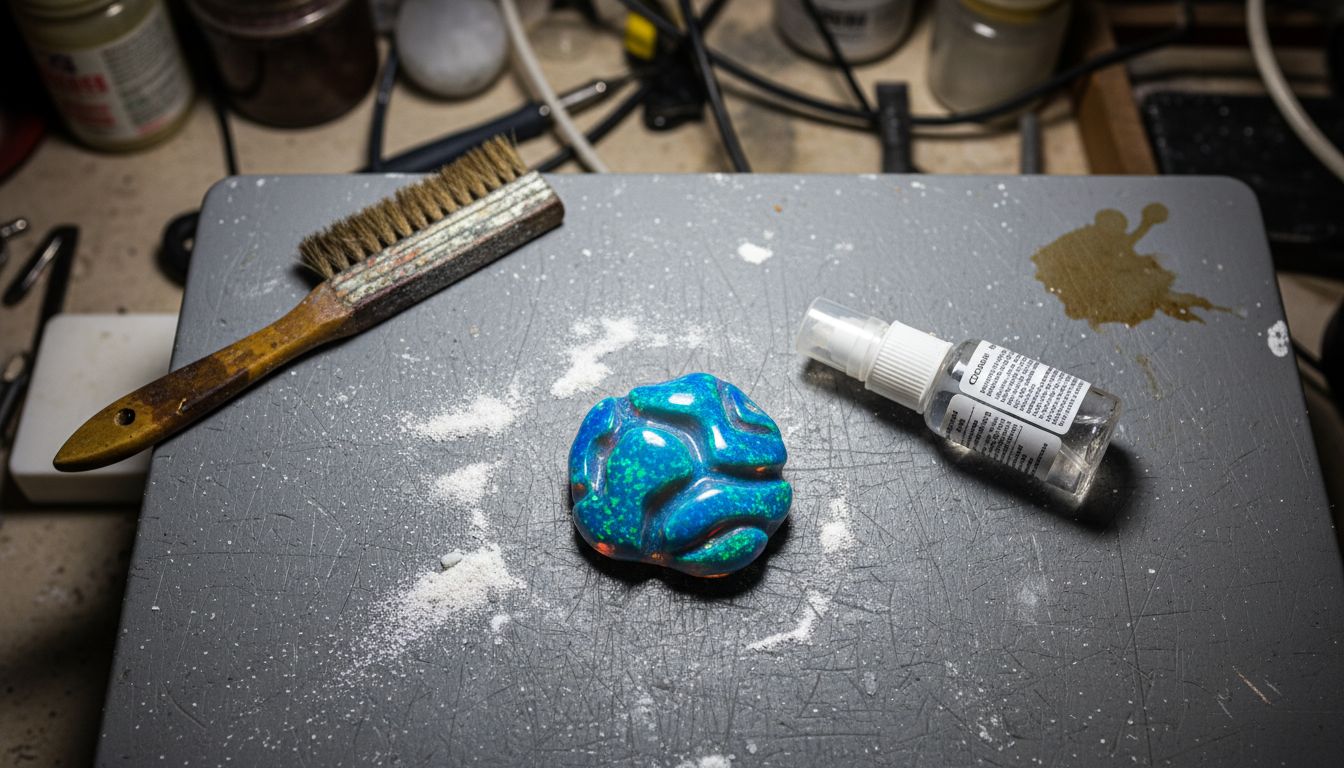
White opals from South Australian regions present a more translucent canvas for artistic expression, with softer color spectrums that enable more delicate and nuanced carving techniques. Crystal opals, with their exceptional transparency, allow light to penetrate deeply, creating ethereal three-dimensional effects that showcase the carver’s precision and artistic vision. These varieties demand different approaches, with expert carvers adapting their techniques to each stone’s unique geological characteristics.
The diversity of Australian opal varieties ensures that every carving becomes a unique artistic statement. From the dramatic black opals of Lightning Ridge to the subtle, luminescent crystal opals, each stone tells a geological story through the hands of skilled artisans. Modern carvers leverage both traditional techniques and advanced technologies to transform these extraordinary gemstones into wearable art pieces that capture the complex beauty of Australia’s mineral landscape.
Importance in Fine and Custom Jewelry
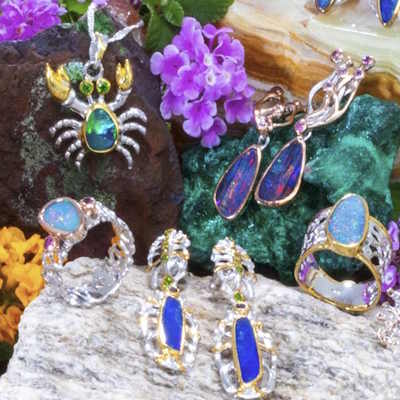
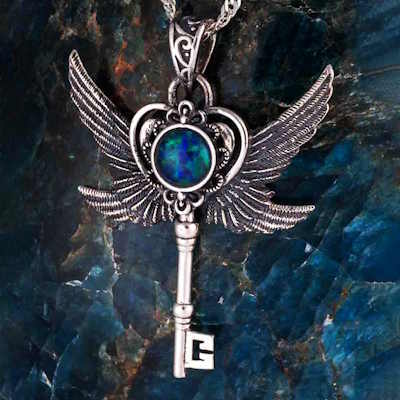
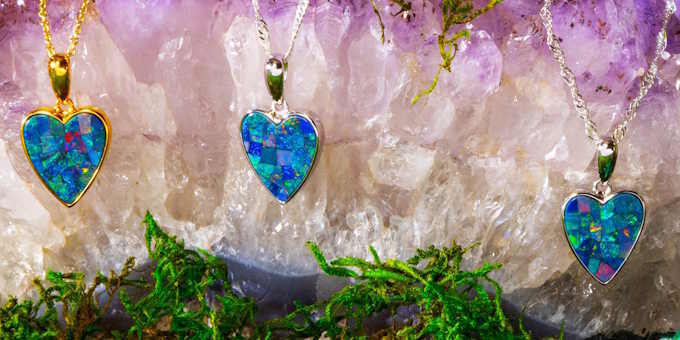
Opal carving has revolutionized the landscape of fine jewelry, transforming these gemstones from simple decorative elements into extraordinary artistic statements. Custom opal jewelry represents the pinnacle of this artistic expression, where master craftsmen create unique pieces that showcase the stone’s intricate optical properties and individual character. Each carved opal becomes a wearable masterpiece, capturing light, color, and geological complexity in a way that transcends traditional jewelry design.
In the realm of high-end jewelry, carved opals offer unprecedented opportunities for personalization and artistic innovation. Bespoke jewelry designers now leverage advanced carving techniques to create pieces that are not just accessories, but narrative sculptures that tell unique stories. Complex carving methods allow artisans to manipulate opals in ways that highlight their most extraordinary characteristics - from subtle color transitions to dramatic light-refracting patterns that change with movement and perspective.
The importance of opal carving extends beyond aesthetic appeal, representing a sophisticated intersection of geological science and artistic craftsmanship. Collectors and connoisseurs increasingly seek out carved opals that demonstrate exceptional skill, viewing these pieces as investment-grade art objects rather than mere decorative items. The most exceptional carved opals can command prices that rival fine art, with value determined by the complexity of the carving, the stone’s inherent qualities, and the artisan’s reputation.
Modern jewelry designers are pushing the boundaries of opal carving, integrating these intricately sculpted stones into avant-garde designs that challenge traditional jewelry conventions. From minimalist geometric settings that showcase the opal’s natural beauty to elaborate sculptural pieces that transform the stone into a three-dimensional canvas, carved opals represent a dynamic frontier of artistic expression. The result is a new category of jewelry that blurs the lines between wearable art, geological wonder, and personal adornment.
Costs, Value Factors, and Collector Tips
Opal carving represents a complex investment landscape where value is determined by multiple intricate factors beyond simple material costs. Carved opal pricing can range dramatically, from hundreds to tens of thousands of dollars, depending on the stone’s origin, carving complexity, color intensity, and artistic execution. Opal gemstone selection requires a discerning eye that understands the nuanced characteristics that distinguish exceptional pieces from ordinary specimens.
The primary value determinants for carved opals include several critical elements. Color plays a paramount role, with vibrant, saturated hues commanding exponentially higher prices. Black opals from Lightning Ridge, featuring intense color play and dark body tone, represent the pinnacle of value. The carving’s intricacy also significantly impacts pricing - more complex sculptural work that demonstrates extraordinary technical skill can multiply a stone’s worth. Factors like transparency, pattern uniformity, and the proportion of visible color spectrum further influence the final valuation.
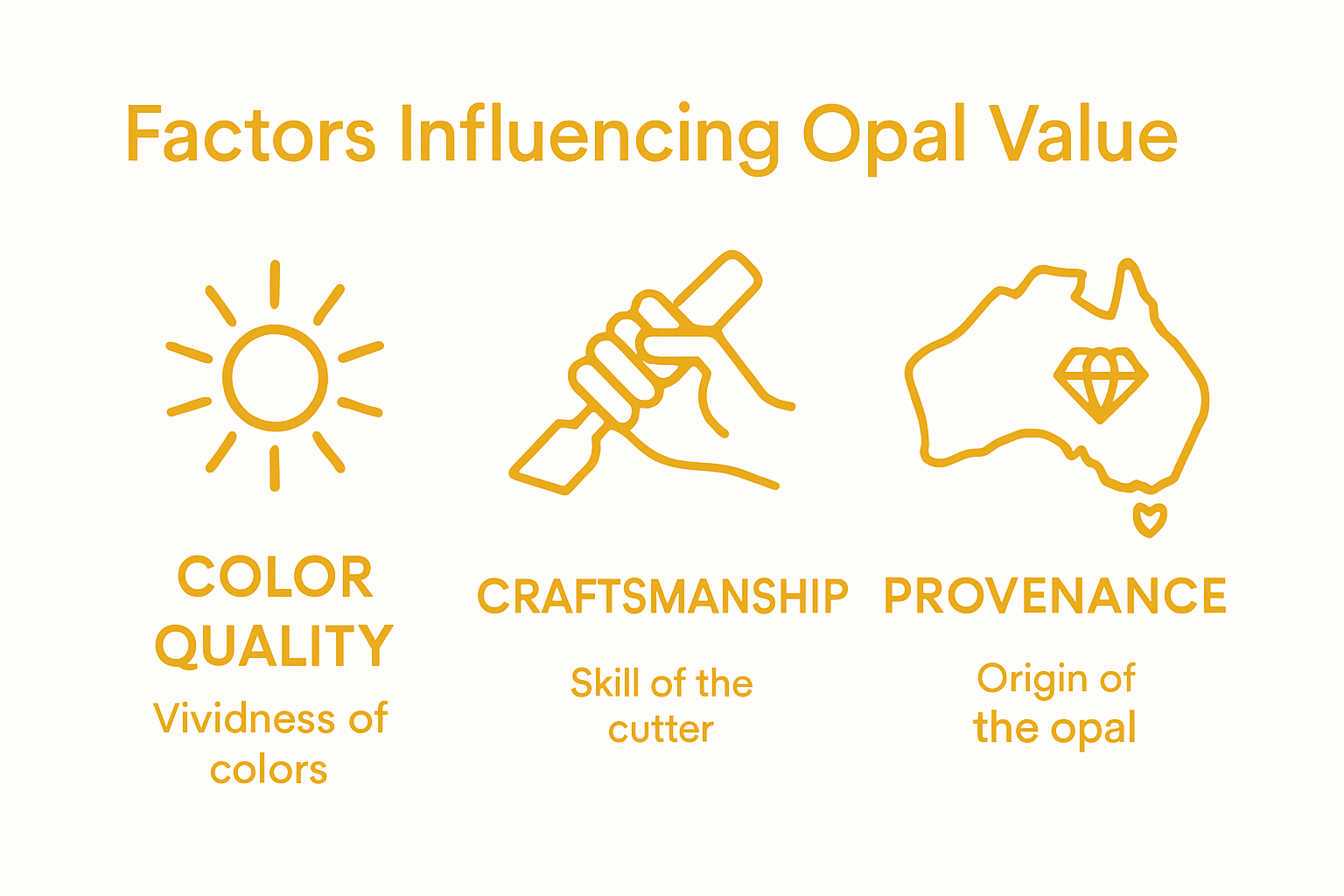
For serious collectors, purchasing carved opals requires strategic considerations beyond aesthetic appeal. Provenance becomes crucial, with opals from renowned Australian regions like Lightning Ridge and Coober Pedy carrying premium value. Expert collectors recommend investing in pieces from established artisans who demonstrate consistent technical mastery and innovative design approaches. Professional appraisals, documentation of origin, and understanding the specific geological characteristics of each stone are essential steps in making informed acquisition decisions.
Navigating the carved opal market demands both technical knowledge and artistic appreciation. Collectors should develop skills in assessing optical performance, understanding light interaction within the stone, and recognizing exceptional craftsmanship. Emerging trends suggest that carved opals are increasingly viewed as investment-grade art objects, with the most exceptional pieces appreciating in value over time. Developing relationships with reputable dealers, attending specialized gemstone exhibitions, and continuously educating oneself about evolving carving techniques can help collectors build sophisticated, valuable collections that represent the pinnacle of geological artistry.
Common Pitfalls and Quality Indicators
Navigating the complex world of opal carving requires an understanding of critical quality indicators and potential pitfalls that can compromise a stone’s value and aesthetic appeal. Structural integrity represents the foundational element of exceptional opal carving, with even microscopic fractures or improper stress management potentially destroying an otherwise remarkable piece. How to design custom opal jewelry demands a nuanced approach that considers the stone’s inherent geological characteristics and potential vulnerabilities.
The most significant quality indicators for carved opals involve multiple sophisticated assessment criteria. Color consistency, light performance, and carving precision emerge as primary evaluation metrics. Professional gemologists look for uniform color distribution, minimal inclusions, and strategic carving techniques that maximize the stone’s natural optical properties. Common pitfalls include over-aggressive carving that weakens the stone’s structure, improper handling that introduces microfractures, and design choices that fail to complement the opal’s inherent geological characteristics.
Technical expertise plays a crucial role in avoiding catastrophic errors during the carving process. Experienced artisans understand the critical balance between material removal and structural preservation, recognizing that each millimeter of carved surface can dramatically impact the stone’s overall value and visual performance. Collectors should be wary of pieces with uneven color distribution, visible stress lines, or carving techniques that appear to compromise the stone’s natural light-refracting capabilities. Professional certification, detailed provenance documentation, and expert appraisals become essential tools for distinguishing exceptional carved opals from mediocre specimens.
Ultimately, successful opal carving represents a delicate dialogue between geological science and artistic vision. The most exceptional pieces demonstrate an almost intuitive understanding of the stone’s internal structure, transforming potential weaknesses into strengths through masterful sculptural techniques. Collectors and enthusiasts must develop a discerning eye that goes beyond surface-level aesthetics, understanding that truly remarkable carved opals are those that reveal new dimensions of beauty through their intricate, thoughtful transformation.
Discover the Art and Elegance of Australian Opal Carving
Understanding the deep craftsmanship behind opal carving reveals the true value and emotional connection behind each bespoke gemstone. If you seek jewelry that captures the unique interplay of light and intricate artistry, overcoming the challenge of finding authentic, ethically sourced, and masterfully carved opals is essential. Australian Opal Direct offers a curated selection of genuine Australian opals from renowned mining regions like Lightning Ridge and Coober Pedy, showcasing the vibrant color play and structural beauty presented by expert artisans.

Explore our exclusive range of custom-designed pieces that honor the delicate balance between geological wonder and artistic vision. Experience the rarity, heritage, and precision craftsmanship of carved opals perfected for collectors and connoisseurs. Start your journey today by visiting Australian Opal Direct and uncover how our ethically sourced creations turn timeless opal artistry into jewelry you can treasure forever. Learn more about our custom opal jewelry guide and the different types of opal that make every piece uniquely radiant.
Frequently Asked Questions
What is opal carving?
Opal carving is the process of transforming raw opals into intricate sculptural forms, enhancing their natural beauty and optical characteristics through precise techniques and specialized skills.
What are the major techniques used in opal carving?
Major techniques include optical dish carving, freeform carving, relief work, and intaglio. Each technique varies in complexity and artistic expression, allowing carvers to manipulate light and enhance the opal’s inherent properties.
How does the type of opal affect the carving process?
Different types of opals, such as black opals, white opals, and crystal opals, require unique handling techniques due to their varying characteristics like fragility and color play. Carvers must adapt their methods based on these properties to achieve optimal results.
What factors determine the value of carved opals?
The value of carved opals is influenced by factors such as color intensity, carving complexity, transparency, and the provenance of the stone. Exceptional craftsmanship and unique optical properties can significantly increase an opal’s worth.