Origin of Opals in Australia: History, Science, and Value
Posted by AOD on 19th Dec 2025
Origin of Opals in Australia: History, Science, and Value
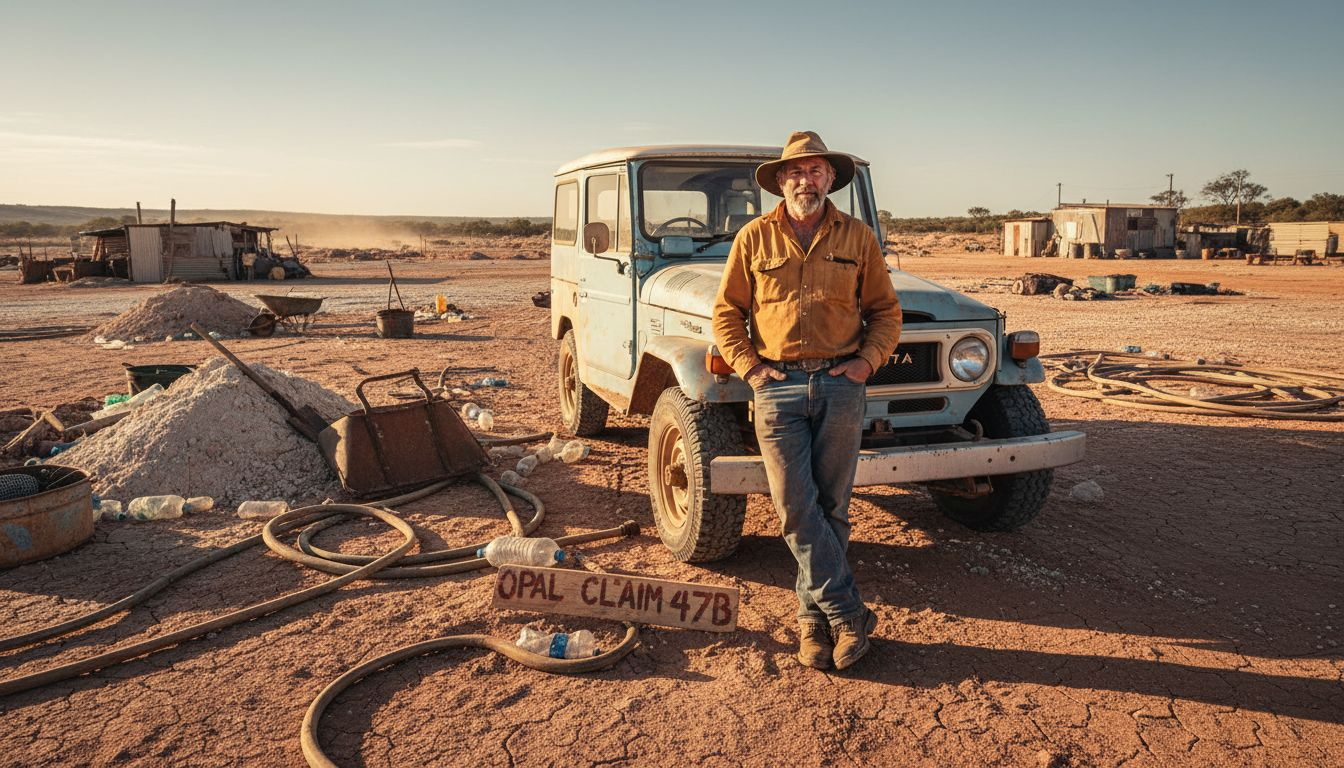
Most American gemstone collectors are surprised to learn that Australia produces an astonishing 95% of the world’s opals, making these gems not just rare but truly extraordinary. The vivid color play seen in Australian opals sets them apart from stones found anywhere else and fascinates jewelers and enthusiasts worldwide. Exploring what makes these opals unique offers insights into geology, history, and the artistry that draws so many people to seek out these remarkable treasures.
Table of Contents
- What Makes Australian Opals Unique
- Geological Processes Creating Opals
- Major Mining Regions And Their Histories
- Distinctive Features Of Lightning Ridge, Coober Pedy, Queensland
- Ethical Sourcing And Environmental Impact
- Collecting, Valuing, And Buying Authentic Australian Opals
Key Takeaways
| Point | Details |
|---|---|
| Australian Opals’ Uniqueness | Australian opals are renowned for their exceptional play-of-color, resulting from a uniform arrangement of silica spheres, making them highly valuable. |
| Geological Formation | The creation of opals involves millions of years of geological processes, requiring very specific environmental conditions to develop distinct varieties. |
| Major Mining Regions | Key regions like Lightning Ridge and Coober Pedy possess unique opal types, significantly affecting their characteristics and market value. |
| Ethical Sourcing | Responsible mining practices in Australia emphasize environmental stewardship and social responsibility, ensuring that opal extraction benefits local communities. |
What Makes Australian Opals Unique
Australian opals represent a geological marvel that sets them apart in the world of precious gemstones. Unlike opals found in other regions, these remarkable stones possess a distinctive play-of-color that stems from a precise, uniform arrangement of silica spheres within their structure. Geological research reveals that the ancient Eromanga Sea and subsequent acidic weathering created ideal conditions for producing extraordinarily stable and vibrant opals.
The geographic dominance of Australian opals is remarkable. In fact, Australia produces a staggering 95% of the world’s opal supply, a testament to the country’s unique geological landscape. The Great Artesian Basin provided perfect environmental conditions that enabled the formation of diverse opal types, including the legendary black opals from Lightning Ridge. These black opals are particularly prized for their intense color saturation and stunning visual complexity.
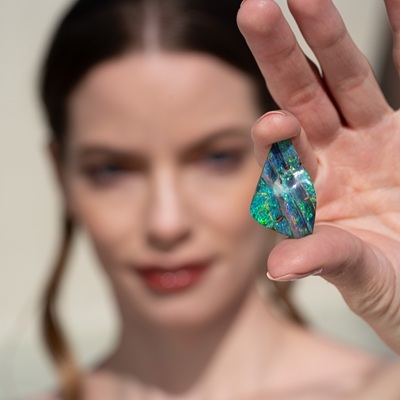
What truly distinguishes Australian opals is their exceptional internal structure. The precise arrangement of microscopic silica spheres creates a natural diffraction grating that produces brilliant, dynamic color shifts. When light enters these precisely organized spheres, it breaks into a spectacular rainbow-like display that seems to dance and change with every slight movement. This phenomenon, known as opalescence, is most pronounced in high-quality Australian specimens, making them significantly more valuable than opals from other global sources.
Pro Tip for Opal Enthusiasts: When evaluating Australian opals, always examine the stone under natural light and from multiple angles to truly appreciate its unique play-of-color characteristics, which can dramatically transform the gem’s visual appeal.
Geological Processes Creating Opals
The formation of opals represents a complex and fascinating geological journey spanning millions of years. Silica-rich solutions seep into sedimentary rock cracks and voids, gradually depositing microscopic silica gel that crystallizes and hardens over immense periods of time. This intricate process transforms ordinary rock layers into the mesmerizing gemstones we know as opals, with each stone telling a unique story of geological transformation.
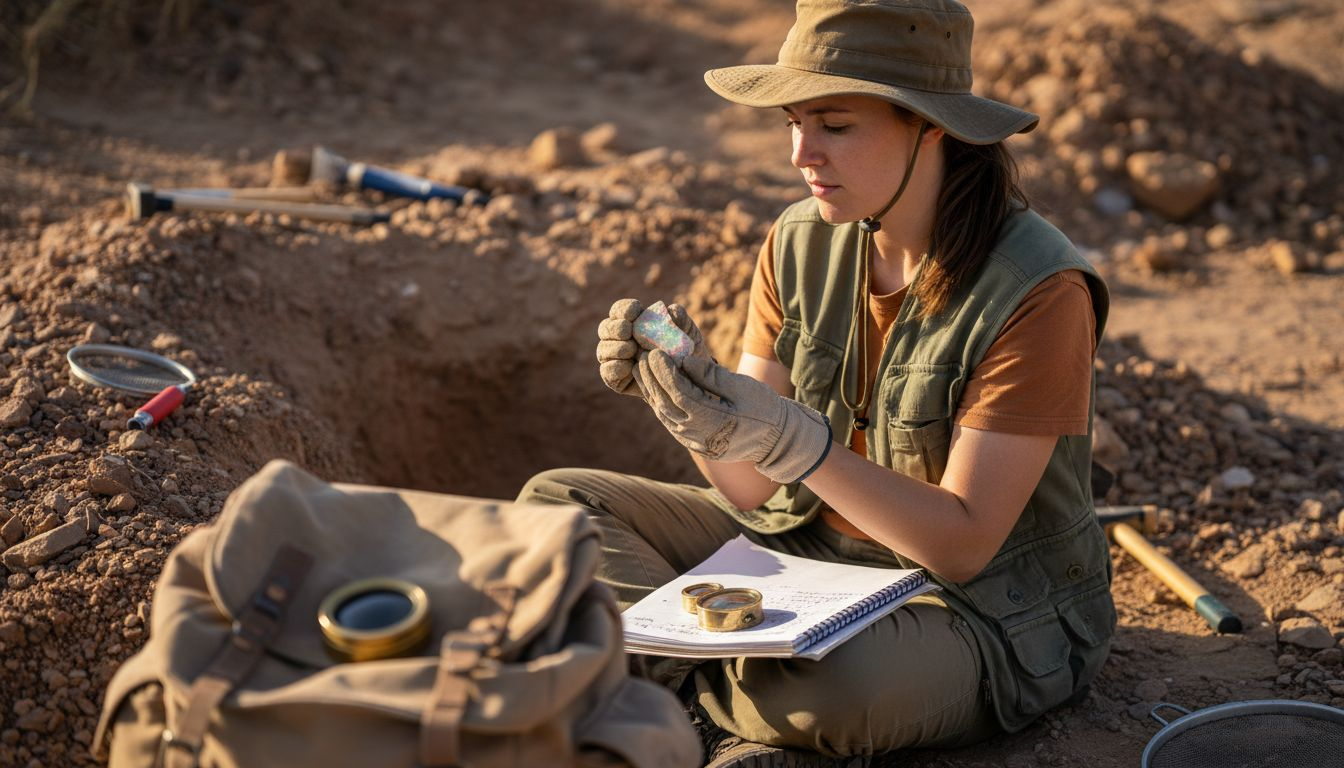
The environmental conditions required for opal creation are extraordinarily specific. Ancient inland seas played a crucial role, as their eventual evaporation left behind mineral-rich sedimentary environments perfect for opal development. Geological weathering processes further contributed to this remarkable transformation, creating intricate networks of microscopic channels where silica could slowly accumulate and solidify. The precise temperature, pressure, and mineral composition must align perfectly to create the stunning optical properties that make opals so distinctive.
Understanding opal formation involves recognizing the delicate interplay between geological time and mineral chemistry. The silica spheres within opals must arrange themselves with near-perfect uniformity, creating the characteristic play-of-color that makes these gems so captivating. Different environmental conditions produce varying opal types, from the translucent white opals to the rare and prized black opals, each representing a unique geological snapshot of Australia’s complex mineral landscape. The size, arrangement, and consistency of these microscopic silica spheres determine the gem’s ultimate visual characteristics and value.
Pro Tip for Geology Enthusiasts: When examining opals, look for subtle variations in color and transparency that hint at the specific geological conditions of their formation, revealing the complex natural history embedded within each remarkable stone.
Major Mining Regions and Their Histories
The rich history of Australian opal mining reveals a remarkable journey of geological discovery and human perseverance. The late 1800s marked the beginning of a transformative era in gemstone exploration, with pivotal discoveries that would establish Australia as the world’s premier opal production center. White Cliffs emerged in 1890 as the first significant opal mining location, followed by Opalton in 1896 and the legendary Lightning Ridge in 1905, each region contributing its unique geological signature to the world of precious stones.
Three primary regions stand out in the Australian opal landscape: Coober Pedy, Lightning Ridge, and Andamooka. Coober Pedy, discovered in 1915, became renowned for its distinctive white opals and earned the nickname “Opal Capital of the World.” Lightning Ridge, famous for producing the rare and highly prized black opals, represents a geological wonderland where unique environmental conditions created some of the most valuable gemstones on the planet. Andamooka, established in the 1930s, specializes in crystal opals that showcase extraordinary translucence and color play.
Each mining region tells a distinct story of geological formation and human exploration. The harsh, arid landscapes of these areas have not only produced extraordinary gemstones but also developed unique mining cultures. Underground dwellings in Coober Pedy, designed to escape extreme temperatures, symbolize the challenging yet innovative spirit of opal miners. The geological diversity of these regions means that opals from each location possess slightly different characteristics, influenced by local mineral compositions, weathering processes, and ancient sedimentary environments. This regional variation contributes to the complexity and value of Australian opals, making each stone a unique testament to its geographical origin.
Pro Tip for Opal Collectors: When purchasing opals, always inquire about their specific mining region, as the location can significantly impact the stone’s characteristics, rarity, and overall value.
Distinctive Features of Lightning Ridge, Coober Pedy, Queensland
Each Australian opal mining region presents a unique geological narrative that profoundly influences the characteristics of its gemstones. Lightning Ridge stands out as a geological marvel, renowned for producing the rarest and most valuable black opals in the world. These extraordinary gems are distinguished by their dark body tone, which creates a dramatic backdrop that intensifies the vibrant play-of-color, making them highly prized among collectors and jewelry enthusiasts.
Coober Pedy offers a contrasting opal experience, famous for its extensive white opal deposits and remarkable underground mining culture. The region’s harsh desert environment has led miners to create entire underground communities, earning it the nickname “Opal Capital of the World.” These white opals typically feature a lighter body tone, creating a softer, more translucent appearance that differs significantly from the dramatic black opals of Lightning Ridge. The geological conditions in Coober Pedy produce opals with a unique milky-white base that allows for subtle yet captivating color variations.
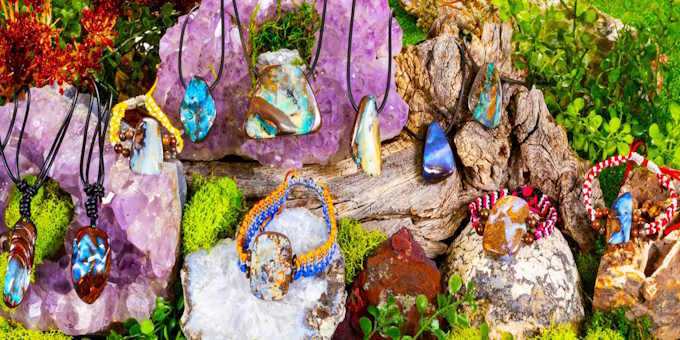
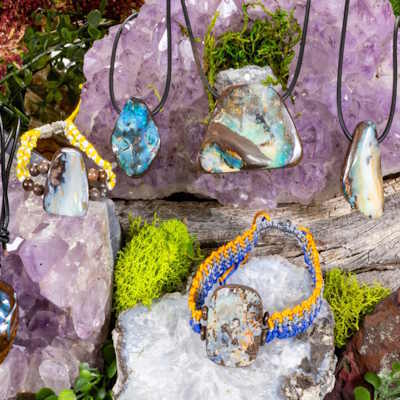
Queensland’s opal fields, particularly Yowah and Quilpie, represent another distinctive chapter in Australian opal production. These regions are celebrated for their boulder opals, which are characterized by their unique formation within ironstone matrices. Unlike other opal types, boulder opals are typically found attached to their host rock, creating stunning patterns where the opal appears embedded in a natural canvas of earthy browns and reds. This distinctive characteristic makes Queensland boulder opals some of the most visually interesting and geologically complex gemstones in the world, with each stone telling a complex story of geological transformation.
Pro Tip for Opal Enthusiasts: When evaluating opals from different regions, pay close attention to the body tone and how it interacts with the stone’s play-of-color, as this nuanced characteristic can dramatically impact the gem’s overall beauty and value.
Here’s a comparison of Australia’s primary opal mining regions and their signature gemstone characteristics:
| Region | Opal Type | Distinctive Feature | Notable Visual Qualities |
|---|---|---|---|
| Lightning Ridge | Black Opal | Dark body tone | Intense, vivid play-of-color |
| Coober Pedy | White Opal | Milky white base | Soft, pastel color variations |
| Queensland (Yowah, Quilpie) | Boulder Opal | Ironstone matrix inclusion | Striking color bands, earthy patterns |
| Andamooka | Crystal Opal | High translucence | Brilliant, shifting color with clarity |
Ethical Sourcing and Environmental Impact
Australian opal mining regulations represent a comprehensive approach to environmental stewardship, ensuring that gemstone extraction balances economic interests with ecological preservation. The mining industry has developed stringent protocols that go beyond mere compliance, embedding sustainability into every stage of opal production. These regulations mandate comprehensive environmental assessments, requiring miners to evaluate potential ecological disruptions before beginning extraction and develop detailed restoration plans that protect local ecosystems.
The rehabilitation process stands as a cornerstone of ethical opal mining practices. After resources are extracted, mining companies are legally obligated to restore the land to a stable and productive condition. This involves carefully reshaping terrain, reintroducing native vegetation, and ensuring that the geological landscape can support local plant and animal life. Such comprehensive restoration efforts demonstrate a commitment to responsible resource extraction that extends far beyond simple legal requirements, reflecting a deeper understanding of environmental interconnectedness.
Beyond environmental considerations, ethical sourcing in the Australian opal industry also encompasses social responsibility. Local mining communities, particularly in remote regions like Coober Pedy and Lightning Ridge, have developed sophisticated frameworks that prioritize fair labor practices, support indigenous rights, and create economic opportunities for regional populations. These practices ensure that opal mining contributes positively to local economies while maintaining respect for traditional land ownership and cultural heritage. The emphasis on transparency means that consumers can trace the journey of their opals from mining site to market, understanding the human and environmental context of each remarkable gemstone.
Pro Tip for Conscious Consumers: Always request documentation about an opal’s origin and ask about the specific environmental and social practices used during its extraction to ensure you are supporting responsible mining practices.
Collecting, Valuing, and Buying Authentic Australian Opals
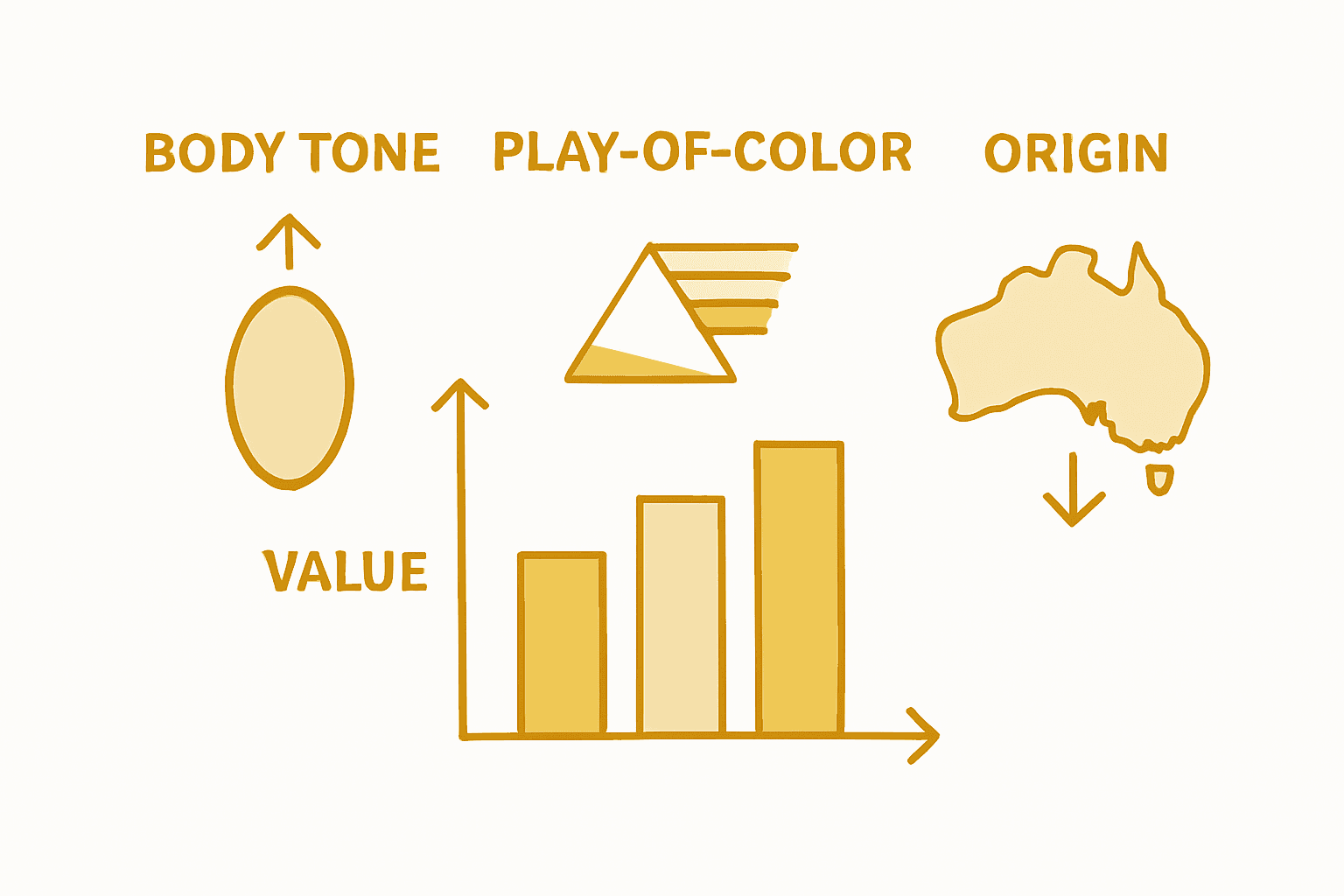
Understanding the nuanced process of collecting and valuing Australian opals requires a sophisticated approach that goes beyond simple visual appeal. The most critical factors in determining an opal’s worth include its body tone, play-of-color, pattern, clarity, and size. Collectors must develop a discerning eye that can distinguish between subtle variations that dramatically impact a stone’s value. High-quality opals display a vibrant, dynamic color shift known as opalescence, where light interacts with the precisely arranged silica spheres to create a mesmerizing visual display.
Authenticity is paramount in the world of Australian opals. Reputable dealers provide comprehensive documentation that traces an opal’s origin, ensuring collectors understand the stone’s precise geological history. The certification process involves detailed examinations that verify the opal’s source region, assess its geological characteristics, and confirm its natural formation. Collectors should look for opals from renowned mining areas like Lightning Ridge, Coober Pedy, and Queensland, each of which produces distinctive stones with unique color profiles and geological signatures.
The valuation of Australian opals involves a complex interplay of scientific assessment and artistic appreciation. Professional gemologists employ specialized tools and expertise to evaluate key characteristics such as color intensity, transparency, and the uniformity of the silica sphere arrangement. Black opals from Lightning Ridge, for instance, command the highest prices due to their rare dark body tone and exceptional play-of-color. White opals from Coober Pedy and boulder opals from Queensland each have distinct value metrics that reflect their unique geological origins. Savvy collectors understand that an opal’s true value extends beyond its immediate visual appeal, encompassing its geological provenance and rarity.
Pro Tip for Opal Investors: Always request a comprehensive geological certificate with your opal purchase, which should include detailed information about its origin, formation characteristics, and professional assessment of its unique optical properties.
To help identify and value authentic Australian opals, consider these key assessment factors:
| Assessment Factor | Significance | How It Affects Value |
|---|---|---|
| Body Tone | Indicates light or dark background color | Black tones increase rarity and price |
| Play-of-Color | Brilliance and range of colors displayed | More vibrant shifts raise value |
| Pattern | Arrangement of colors in the stone | Unique or rare patterns are favored |
| Clarity & Transparency | Absence of cloudiness or inclusions | Greater clarity enhances desirability |
| Origin Certification | Verifies geological provenance | Increases market trust and collectability |
Discover the True Origin and Beauty of Australian Opals with Confidence
The journey of Australian opals from their unique geological formation in iconic mining regions like Lightning Ridge and Coober Pedy to their breathtaking play-of-color is a story of nature’s artistry and earth’s history. If you are seeking authentic, ethically sourced opals that capture this rare beauty and heritage, you need a trusted source that connects you directly to the miners and ensures every stone’s provenance. Understanding the scientific and historical depth of opals enhances your appreciation, but finding genuine pieces that reflect these qualities can still be challenging.

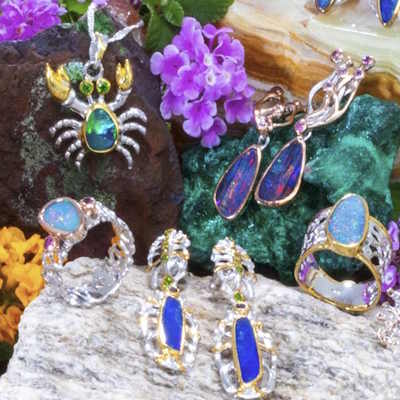
At Australian Opal Direct, we specialize in delivering exceptional Australian opals with full authenticity guaranteed. Explore our curated collection of rings, pendants, and unique jewelry sets crafted from genuine black, white, and boulder opals. We embrace the rich history and mineral science behind each gemstone while offering unparalleled transparency through direct miner relationships and detailed product storytelling. Start your collection or find a meaningful gift infused with Australia’s natural wonder today. Visit Australian Opal Direct and experience the rare allure and heritage of authentic opals like never before.
Frequently Asked Questions
What defines the unique play-of-color in Australian opals?
The unique play-of-color in Australian opals is due to the precise arrangement of microscopic silica spheres within the stone, creating a natural diffraction grating that refracts light into a spectacular array of colors.
How are opals formed geologically?
Opals are formed when silica-rich solutions seep into cracks and voids in sedimentary rocks, slowly depositing silica gel that crystallizes over millions of years. Ideal conditions, including the evaporation of ancient inland seas and geological weathering, contribute to this complex formation process.
What are the most significant factors that impact the value of Australian opals?
The value of Australian opals is influenced by several factors, including body tone (dark or light), intensity of play-of-color, clarity, size, and the opal’s origin. Black opals tend to be the most valuable due to their rarity and vibrant colors.
How do ethical sourcing practices affect Australian opal mining?
Ethical sourcing practices in Australian opal mining involve environmental stewardship and social responsibility. Mining companies are required to conduct environmental assessments and restore mined land, while also ensuring fair labor practices and respecting indigenous rights.