What Is Opal Cabochon? Complete Expert Overview
Posted by AOD on 29th Nov 2025
What Is Opal Cabochon? Complete Expert Overview
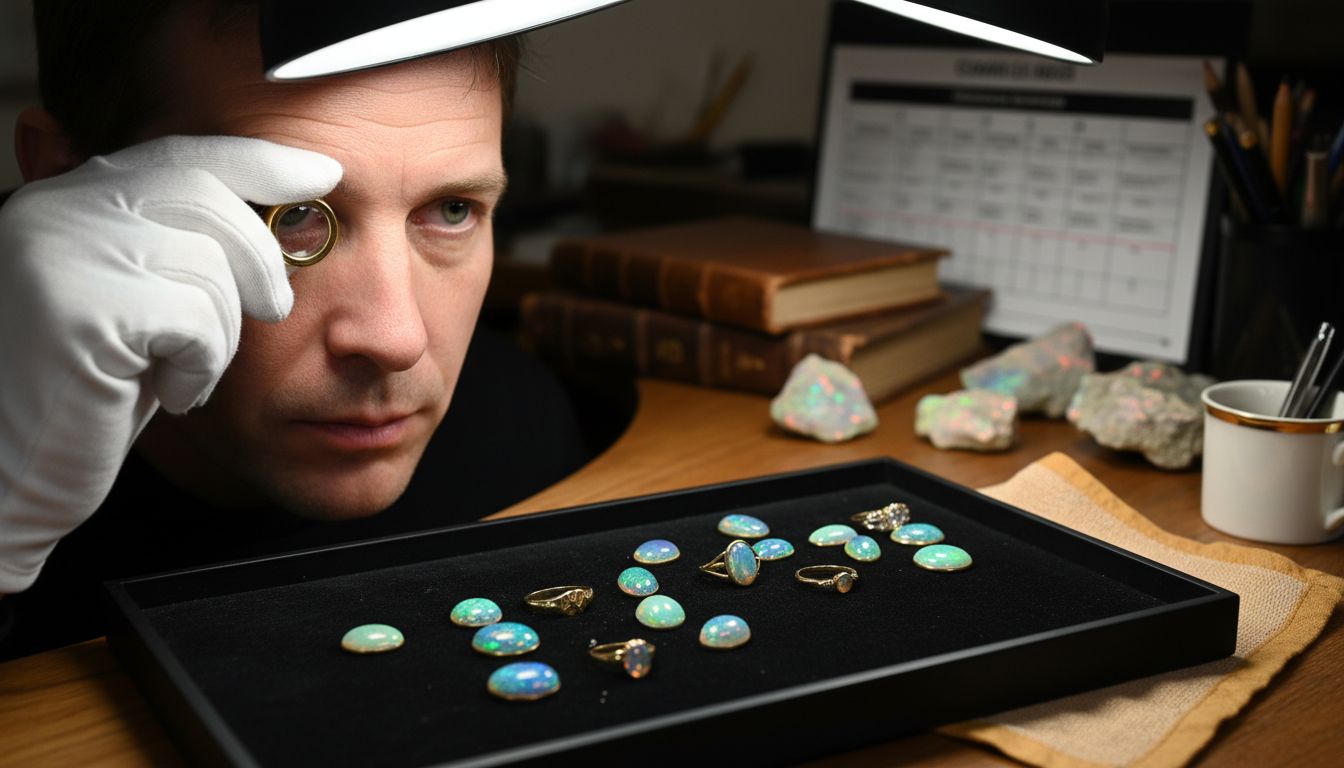
Over 80 percent of opals used in jewelry are shaped into cabochons rather than faceted gems, a fact that often surprises american collectors. This method not only protects the stone’s delicate surface but also brings out the opal’s signature flashes of color. With so many myths and mistaken ideas, understanding the true nature of opal cabochons helps buyers and enthusiasts appreciate their beauty and value with new insight.
Table of Contents
- Opal Cabochon Defined And Common Misconceptions
- Types Of Opal Cabochons And Visual Variations
- Key Characteristics And Grading Criteria
- How Opal Cabochons Are Cut And Shaped
- Buying, Collecting, And Caring For Opal Cabochons
Key Takeaways
| Point | Details |
|---|---|
| Opal Cabochon Definition | An opal cabochon is a gemstone shaped into a rounded form that effectively showcases the unique play-of-color of opals. This cutting method enhances the stone’s visual appeal while protecting its delicate surface. |
| Types and Visual Variations | Main types of opal cabochons include Black Opal, Boulder Opal, and Crystal Opal, each with unique aesthetic qualities influenced by their geological origin and internal color dynamics. |
| Grading Criteria | Opal cabochons are evaluated based on play-of-color, clarity, surface polish, and structural integrity, with black opals being the most valuable due to their rarity and striking appearance. |
| Care and Maintenance | Collectors should ensure proper care for opals by avoiding harsh environments and using gentle cleaning methods to prevent damage and preserve their beauty. |
Opal Cabochon Defined and Common Misconceptions
An opal cabochon represents a specific gemstone cutting technique that transforms raw opal into a smooth, rounded gem with extraordinary visual characteristics. According to cibjo.org, opals are rarely faceted due to their delicate structure, making the cabochon cut the preferred method for showcasing their unique play-of-color.
The term “cabochon” specifically describes a gemstone that has been shaped and polished into a distinctive dome-like form. As defined by en.wikipedia.org, this cutting style typically features a convex top surface and a flat bottom, creating a smooth, rounded appearance that highlights the stone’s natural beauty. For opals, this cutting technique is particularly advantageous because it protects the stone’s delicate surface and maximizes its optical properties.
Common misconceptions about opal cabochons often revolve around their appearance and value. Many people mistakenly believe that all cabochons look identical or that the rounded shape diminishes the stone’s worth. In reality, skilled lapidaries can create cabochons with varying degrees of dome height, transparency, and surface polish that dramatically impact the gem’s overall aesthetic and market value. The cabochon cut allows artisans to strategically position the opal’s color play and highlight its most stunning internal characteristics.
Key characteristics of an exceptional opal cabochon include:
- Smooth, uniform curvature
- Minimal surface imperfections
- Optimal positioning of color play
- Balanced dome height
- Protection of the stone’s natural structural integrity
Understanding the nuanced art of opal cabochon cutting reveals why this technique remains the gold standard for presenting these mesmerizing gemstones.
For more insights into opal characteristics, check out our Opal Stone 101: History, Symbolism, and Uses guide.
Types of Opal Cabochons and Visual Variations
Opal cabochons are distinguished by their remarkable diversity, with each type offering unique visual characteristics that captivate gemstone enthusiasts. According to opal.org.au, the primary types include Black Opal, Boulder Opal, and Crystal Opal, each originating from specific regions in Australia and presenting distinct aesthetic qualities. Black Opal, considered the rarest and most valuable, forms naturally in Lightning Ridge, New South Wales, with a dark background that dramatically enhances color play.
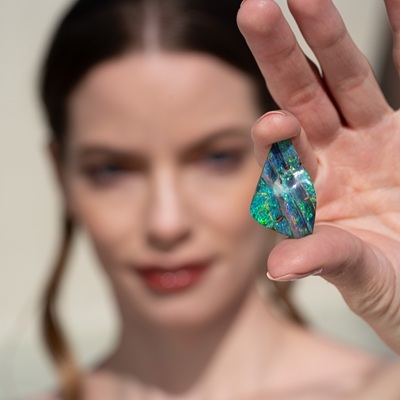
The visual variations in opal cabochons are truly spectacular. As documented by GIA.edu, Australian black opal cabochons can display an extraordinary range of colors including vibrant blues, deep reds, sunshine yellows, rich oranges, and emerald greens. These colors emerge through complex internal light interactions, creating what gemologists refer to as “play-of-color” - a mesmerizing optical phenomenon that makes each opal cabochon a unique work of natural art.
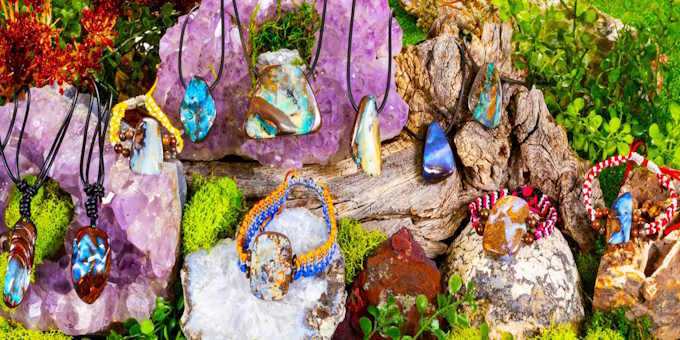
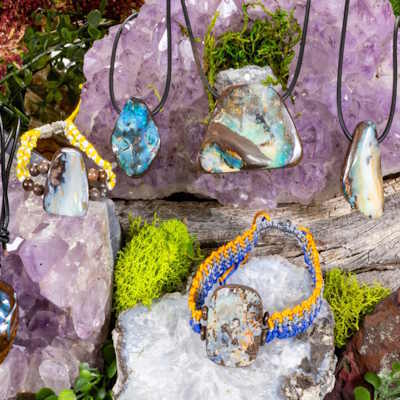
Beyond color, opal cabochons exhibit fascinating structural variations that influence their overall appearance and value. Boulder Opals, typically sourced from Queensland, are characterized by their natural ironstone matrix, which creates stunning, integrated patterns within the stone. Crystal Opals offer a translucent quality, allowing light to penetrate and enhance their internal color dynamics. Skilled lapidaries carefully shape these cabochons to maximize their inherent visual properties, considering factors like dome height, surface polish, and strategic color positioning.
Key characteristics that distinguish different opal cabochon types include:
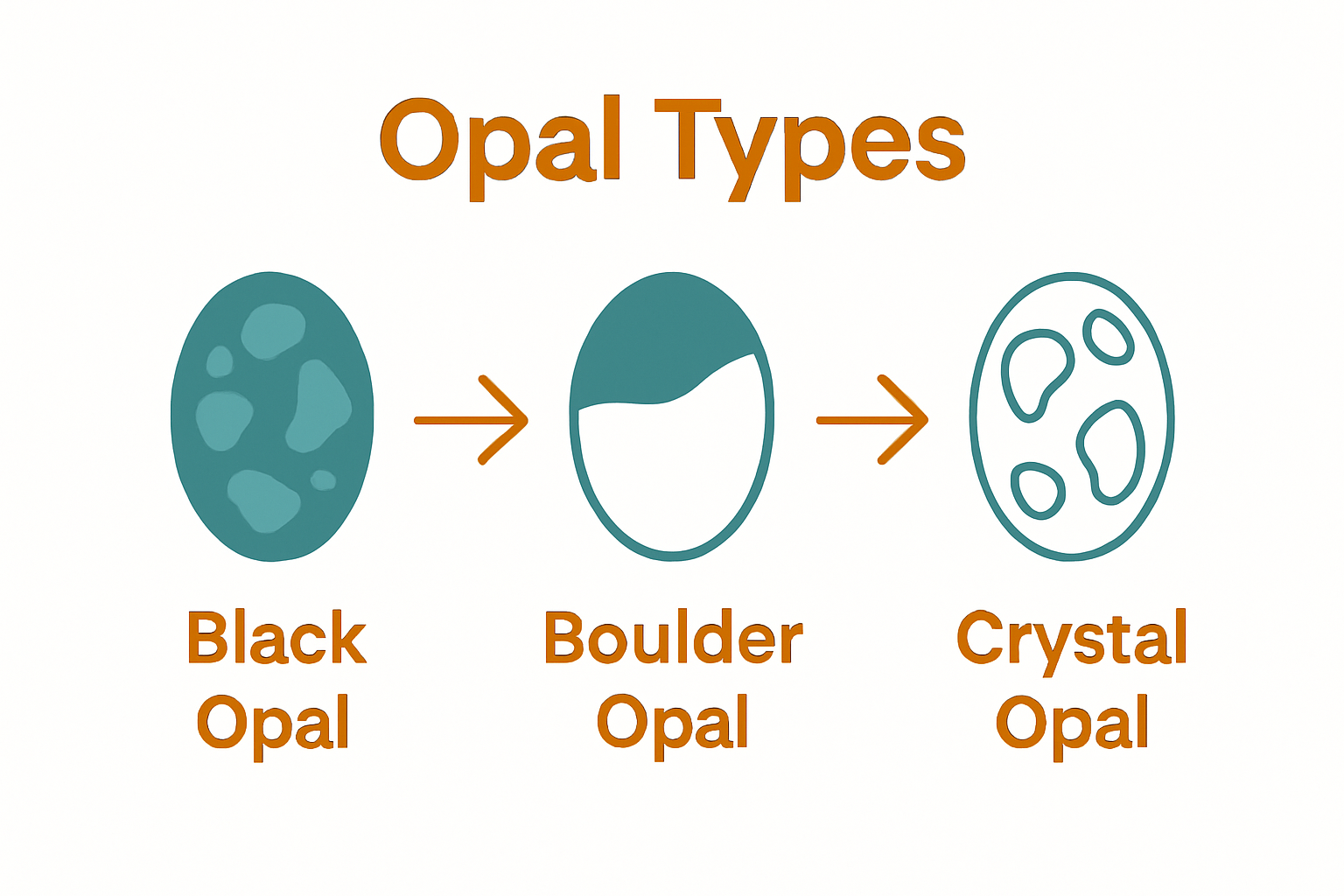
- Base color (black, white, crystal)
- Transparency level
- Dominant color patterns
- Presence of natural matrix or host rock
- Intensity of color play
For gem enthusiasts eager to explore more about the fascinating world of opals, our What Are the Different Types of Opal guide offers deeper insights into these extraordinary stones.
Key Characteristics and Grading Criteria
Grading an opal cabochon requires a comprehensive understanding of its unique physical and optical properties. According to gemology101.org, opals are composed of hydrated silica with a complex chemical structure (SiO₂·nH₂O), featuring a Mohs hardness of 5.5 to 6.5 and a specific gravity ranging from 1.9 to 2.3. These fundamental characteristics provide the baseline for evaluating the stone’s inherent quality and durability.
The most critical grading criteria for opal cabochons revolve around their extraordinary optical phenomenon known as play-of-color. As documented by en.wikipedia.org, this mesmerizing effect results from the stone’s internal light diffraction, which creates stunning color displays. Professional gemologists assess play-of-color through several key factors: color intensity, pattern complexity, distribution of colors, and the stone’s body color. Black opals are considered the rarest and most valuable, while white, gray, and green opals represent more common variations.
Precision in evaluating opal cabochons demands expert scrutiny of multiple nuanced characteristics. Experts examine the cabochon’s dome height, surface polish, transparency, and the strategic positioning of color patterns. Additional critical assessment factors include the stone’s clarity, the presence of any internal fractures or inclusions, and the overall symmetry of the cut. Collectors and jewelry designers prioritize cabochons that demonstrate a harmonious balance between these technical attributes and the stone’s natural, mesmerizing beauty.
Key grading criteria for opal cabochons include:
- Precise refractive index (1.400 to 1.460)
- Intensity and distribution of play-of-color
- Body color and background tone
- Clarity and transparency
- Surface polish and dome symmetry
- Presence of natural matrix or host rock
For gem enthusiasts seeking deeper insights into opal variations, our What Is Opal Pattern guide offers comprehensive exploration of these extraordinary stones.
How Opal Cabochons Are Cut and Shaped
The art of cutting opal cabochons requires exceptional skill and precision, transforming raw gemstones into breathtaking works of natural art. According to en.wikipedia.org, the cabochon cutting technique is particularly suited to opaque gemstones and those with lower hardness, typically below 7 on the Mohs scale. This method protects softer stones from scratching while highlighting their unique optical characteristics, making it ideal for opals with their delicate internal structures.
Professional lapidaries approach opal cabochon cutting as a meticulous craft that balances technical expertise with artistic vision. As documented by GIA.edu, the standard cabochon cut features a convex (rounded) top surface and a flat bottom, a design that maximizes the stone’s natural play-of-color. The cutting process involves carefully analyzing the opal’s internal structure, identifying the most vibrant color zones, and strategically positioning the cabochon to showcase its most stunning optical effects.
The cutting process unfolds through several intricate stages that require specialized tools and profound gemological knowledge. Skilled artisans begin by examining the rough opal, mapping its color patterns and potential flaws. They then use precision grinding wheels to shape the initial dome, gradually refining the curve to optimize light reflection and color display. Advanced techniques involve carefully controlling the cabochon’s height, ensuring the dome’s curvature perfectly complements the stone’s inherent optical properties. Surface polishing represents the final critical step, where microscopic refinements can dramatically enhance the opal’s brilliance and visual appeal.
Key stages in opal cabochon cutting include:
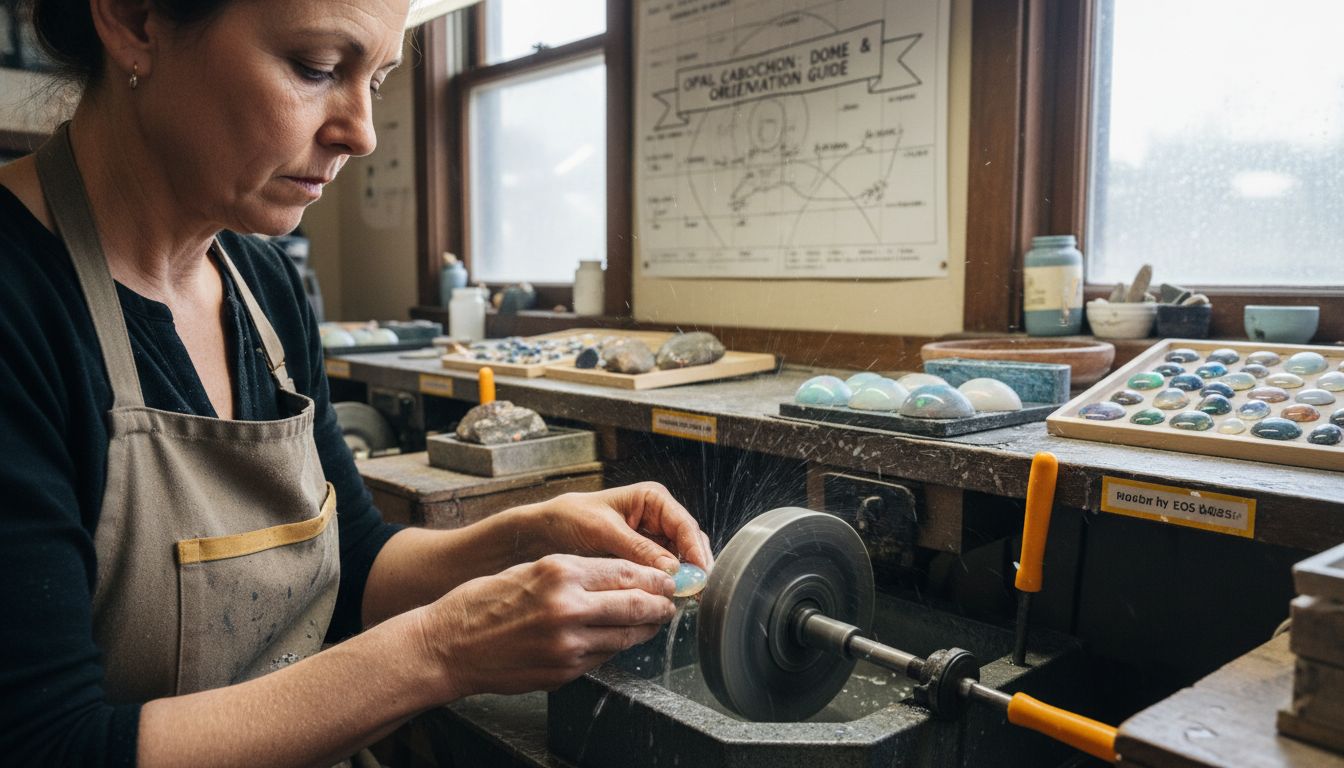
- Initial rough stone assessment
- Strategic orientation selection
- Precision grinding and shaping
- Dome height and curvature optimization
- Detailed surface polishing
- Final optical performance evaluation
For those interested in exploring the fascinating world of gemstone formation, our What Is Opal Formation guide offers a comprehensive scientific breakdown of these extraordinary stones.
Buying, Collecting, and Caring for Opal Cabochons
Collecting opal cabochons requires a discerning eye and comprehensive understanding of these extraordinary gemstones. Serious collectors approach acquisition as both an art and a science, evaluating each stone’s unique characteristics with meticulous attention to detail. Investment-quality opals demand careful consideration of factors like color intensity, play-of-color, transparency, and overall structural integrity, ensuring each piece represents a genuine treasure with potential appreciation in value.
Maintaining the delicate beauty of opal cabochons requires specialized care and knowledge. According to cibjo.org, these precious stones are particularly vulnerable to environmental changes and can develop a network of tiny fissures known as ‘crazing’ if not properly handled. Gemmologists recommend avoiding dry environments and using only gentle cleaning methods: soft, dampened fabrics without abrasive chemicals or a soft-bristled toothbrush with water represent the safest approach to preserving an opal’s stunning optical properties.
Purchasing high-quality opal cabochons involves understanding nuanced selection criteria that go far beyond simple aesthetic appeal. Experienced collectors assess multiple dimensions, including the stone’s origin, color consistency, pattern complexity, and potential for long-term value preservation. Professional gemologists recommend examining each cabochon under controlled lighting conditions, evaluating its play-of-color from multiple angles, and understanding the specific geological context of its formation. Authenticity, provenance, and expert certification become crucial factors in making an informed acquisition.
Key considerations for opal cabochon collectors include:
- Comprehensive visual inspection
- Understanding geological origin
- Evaluating color play and intensity
- Assessing structural integrity
- Verifying authenticity through expert certification
- Implementing proper storage and maintenance techniques
For collectors seeking deeper insights into building an exceptional opal collection, our 7 Best Opal Jewelry Tips Every Collector Should Know guide offers expert-level strategies and recommendations.
Discover the True Beauty of Opal Cabochons with Authentic Australian Gems
Understanding the intricate art of opal cabochon cutting and the unique play-of-color is essential for any gemstone enthusiast or collector. If you seek to own a piece that perfectly showcases smooth uniform curves, vibrant color play, and expert craftsmanship you deserve to explore genuine Australian opals that embody these qualities. Avoid common pitfalls like uncertain authenticity or poorly cut stones by choosing ethically sourced opals with carefully crafted cabochon cuts.

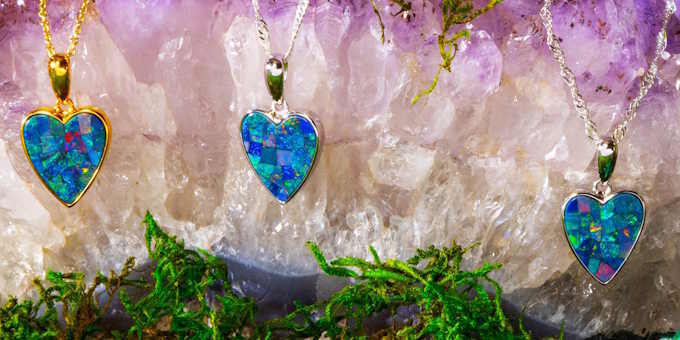
Experience firsthand the mesmerizing beauty of expertly cut opal cabochons available at Australian Opal Direct. Each piece reflects premium standards in dome height, polish, and optical brilliance straight from renowned regions like Lightning Ridge and Queensland. Browse our curated collection featuring rings, pendants, and custom designs that tell a story of rarity and heritage. Don’t wait to own a luxurious symbol of natural wonder backed by free shipping, insurance, and 90-day warranties. Take the next step today by visiting Australian Opal Direct and elevate your collection with stones crafted to reveal nature’s finest light. For additional insights on opal variety and quality, see our expert guides such as What Are the Different Types of Opal and What Is Opal Pattern guide.
Frequently Asked Questions
What is an opal cabochon?
An opal cabochon is a gemstone cut in a smooth, rounded shape that highlights the opal’s unique visual properties, particularly its play-of-color. This cutting technique protects the delicate structure of opals and showcases their natural beauty.
What are the different types of opal cabochons?
The primary types of opal cabochons include Black Opal, Boulder Opal, and Crystal Opal. Each type has distinct visual characteristics, such as color and transparency, influenced by its origin and internal structure.
How is the quality of an opal cabochon evaluated?
The quality of an opal cabochon is evaluated based on criteria like play-of-color intensity, body color, surface polish, dome height, clarity, and the presence of natural matrix or host rock. These factors greatly influence its overall aesthetic and market value.
What is the cutting process for opal cabochons?
The cutting process for opal cabochons involves several stages, including assessing the rough stone, selecting strategic orientations, precision grinding to shape the dome, and polishing the surface. Each stage is crucial for maximizing the opal’s optical properties and visual appeal.